FBI investigating possible breach of national crime database, NBC reports
The report comes alongside a cybersecurity incident acknowledged at the Agriculture Department, where loan and payment systems have been disrupted. The full extent of any unauthorized access is not publicly known.
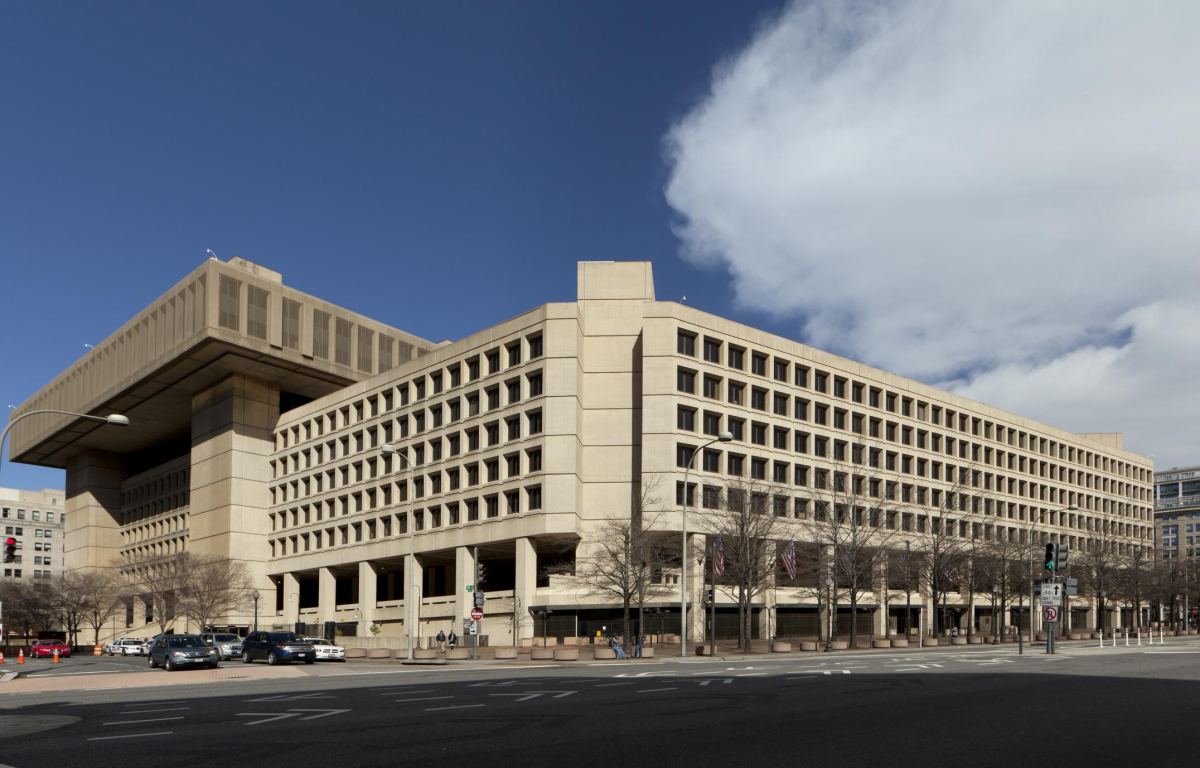
The FBI is investigating a possible breach of the National Crime Information Center, its nationwide law enforcement information system, NBC News reported Friday, November 20. The network cited two people briefed on the matter and said the bureau had not commented as of Friday night.
The report does not identify those responsible or specify what information they may have viewed, changed or taken. An investigation does not, on its own, establish how many records may have been affected. The NCIC allows authorities across jurisdictions to share information used in everyday police work.
The report comes as a separate cybersecurity incident affects the Agriculture Department, or USDA. Richard Fordyce, the undersecretary for Farm Production and Conservation, acknowledged a cyberthreat while speaking with reporters in Kansas City, according to agricultural news outlet DTN. The disruptions have delayed farm loans, payments and conservation work.
A network for sharing police information
The FBI’s official description of the NCIC says criminal justice agencies contribute records that authorized agencies nationwide can access around the clock. The system helps authorities locate missing and wanted people and recover stolen vehicles and other property. It provides a way to share that information across jurisdictional boundaries.
During a traffic stop, for example, an officer can check whether a driver is wanted or a vehicle has been reported stolen. The FBI cautions that a match alone does not establish probable cause for an arrest. Agencies must verify that the information is accurate and current before taking official action on the record.
Data integrity is therefore part of the system’s safety function. Participating agencies must update and validate their records, while the FBI describes encryption, authentication and audit requirements. Those are the system’s intended safeguards. They do not establish how the possible intrusion under investigation occurred or whether a particular safeguard failed.
Disruption to agricultural services
At USDA, DTN identified outages beginning Monday in Farm Service Agency loan software and Natural Resources Conservation Service tools. The affected applications included ProTracts, which releases payments, as well as tools used for conservation projects. The interruptions affect services that producers rely on to manage assistance and financial obligations.
Nextgov/FCW reported Thursday, November 19, that an internal email disclosed a security incident. According to the message its reporters reviewed, the response required database password resets and application restarts, causing outages. The publication could not establish who carried out the intrusion or whether data had been taken from the systems.
Taking an application offline can be part of containing an incident and restoring service. In this case, reporting describes both the initial security problem and recovery work. It does not provide a final tally of delayed payments, financial losses or people whose information may have been exposed through the incident.
Fordyce told reporters that no data or personally identifiable information had been lost because security protections had worked, DTN reported. That is the official’s assessment. The news reports, meanwhile, leave questions open about the extent of the incident and which systems an intruder may have been able to reach.
The undersecretary expected most systems to be back online by the end of Friday, with work continuing over the weekend on any that remained unavailable. That was a recovery forecast, rather than confirmation that every application had been restored. Users still depend on service-specific notices to establish whether the tools they need are available.
Different explanations for other outages
NBC also reported that a classified National Security Agency computer network went down during maintenance and had been restored by Friday. The sources cited by the network said there was no indication that the NSA outage was caused by a cyberattack.
The available accounts describe incidents with different explanations and levels of confirmation. A possible intrusion at the NCIC, outages associated with USDA’s security response and a technical failure at another agency do not establish a coordinated operation. Nor do they identify a single actor or method behind all the disruptions.
For farmers, the uncertainty has practical consequences. Ryan Marquardt, vice president of the Iowa Farmers Union, asked USDA to explain what happened, what information may have been accessed and when payments would return to normal, in a statement to ABC News. He noted that producers are selling grain and livestock, making loan payments and preparing their year-end accounts.
A separate warning about sector preparedness
The Government Accountability Office, or GAO, released a food and agriculture cybersecurity audit on November 19. It found that USDA and the Food and Drug Administration had met most of the cyber-related aspects of 16 federal requirements. Five were only partially met or unmet in information sharing and emergency preparedness.
The watchdog called for improvements in collecting and sharing threat information, response exercises and planning. It issued two recommendations to USDA and three to the Department of Health and Human Services, which oversees the FDA. USDA and the FDA had cited staffing and resource constraints affecting their ability to carry out all their responsibilities.
HHS accepted its three recommendations. USDA disagreed with its two and asked that they be removed or redirected; GAO maintained that they were warranted. The audit examined preparedness to protect the sector. It is not a forensic investigation into the causes of the incidents reported this week.
The scope of the possible law enforcement database breach and the actual restoration of agricultural services remain separate questions. Public information does not yet establish a count of compromised records or a connection between the cases. Users need subsequent communications to clarify which services are available, what information may need protection and what has been done to prevent further disruption.