Ten more states join Dollar General lawsuit over alleged checkout overcharges
The FTC expanded the case to 30 states in an amended complaint filed November 20. Authorities challenge differences between advertised and checkout prices, while the retailer disputes the allegations.
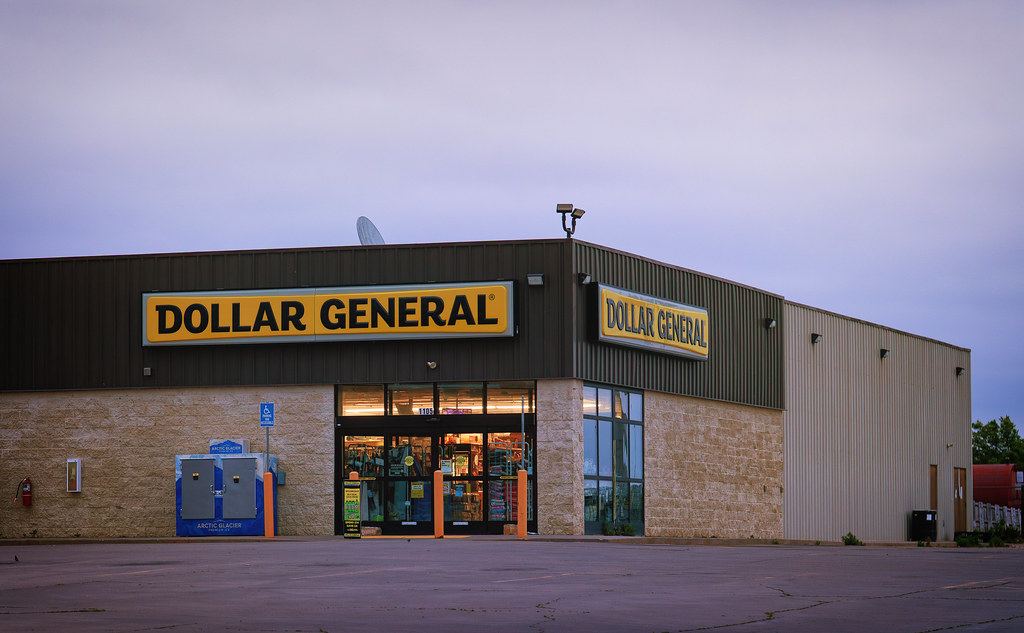
Ten additional states joined the federal lawsuit against Dollar General on Friday, November 20, alleging that customers routinely paid more at checkout than the prices displayed on shelves, labels and advertisements. The expansion brings the number of states participating alongside the Federal Trade Commission to 30 in a case involving everyday purchases and alleged overcharges totaling millions of dollars.
The new plaintiffs are Delaware, Georgia, Kentucky, Maine, Minnesota, New Mexico, Oregon, Rhode Island, South Carolina and South Dakota. They join the case filed on October 26 by the federal agency and its original 20 state partners. Their participation broadens the coalition and the claims under state law within the same court proceeding.
The 119-page amended complaint was filed in the U.S. District Court for the Middle District of Tennessee. The FTC voted 2–0 to authorize the filing and lists the case as pending. The allegations remain to be resolved in court. Dollar General denies deliberately disregarding its customers’ needs.
Prices on shelves, in circulars and on the app
Authorities describe a discrepancy that can begin before a shopper enters a store: someone chooses products because of a circular, an app promotion or a shelf label, but the register charges more. The complaint alleges that these differences recur and that the company has failed to take adequate action despite being aware of customer complaints.
The filing describes Dollar General as a retailer with more than 20,000 stores and a particularly strong presence in rural communities. About 80% of its locations are in towns with populations of 20,000 or fewer, according to the complaint. The plaintiffs argue that reliable prices are essential for low- and fixed-income households planning purchases of basic goods.
The complaint says company records contained 29,265 complaints categorized as failures to honor marked prices between January 1, 2023, and March 31, 2026. They came from all 48 states where the retailer operates, the filing says. This is a count of recorded complaints, rather than a court finding on how many purchases involved overcharges.
The complaints and inspection results cited in the case
One example involves a Massachusetts shopper’s complaint from August 2025. According to the filing, trail mix advertised at $2.75 rang up at $5. The customer said the incorrect signs were still displayed when he returned the following week. Authorities cite the account as an example of a problem they allege continued after it was identified.
New Mexico, one of the states joining the case, also features in the inspection evidence. The complaint says state authorities conducted 73 pricing inspections between January 5 and April 14, 2026, with 53% resulting in failures. A Dollar General store in Clovis allegedly failed three inspections in a row.
For Kentucky, another new plaintiff, the filing cites 242 inspections in 2023, with a failure rate of 23.97%. Inspection periods, samples and responsible authorities differ among states. Those figures describe the checks identified in the complaint and cannot automatically be treated as a nationwide error rate for every Dollar General store.
The amended filing also lists nine settlements with attorneys general and consumer protection agencies in eight states between 2019 and 2026, involving more than $13 million in penalties. The plaintiffs cite those actions as evidence that the company knew about the problem. Those amounts concern earlier enforcement actions, rather than a new fine imposed in the current case.
The complaint also examines how prices are updated. It describes a weekly five-hour shift for replacing labels and says new prices take effect at checkout even when shelf labels have not yet been changed. Authorities allege that the prescribed procedures have failed to prevent discrepancies. Whether those safeguards work is one of the issues separating the parties.
The retailer’s response and the remedies sought
In its October 26 response, Dollar General acknowledged occasional discrepancies and said employees are instructed to correct them. It said it had strengthened its controls and challenged both the calculation of consumer harm and the legal interpretation used to seek monetary relief.
The FTC invokes the federal prohibition on deceptive practices and a Gramm-Leach-Bliley Act provision concerning financial information obtained through false representations. The complaint argues that customers provide card or check details in reliance on advertised prices that are not honored. States add their own consumer protection laws and, in some instances, laws governing commercial price verification.
Authorities seek a permanent injunction against future violations, monetary relief and penalties available under state law. They also request restitution and other remedies. The scope of any relief will depend on the legal claims that succeed and the assessment of the evidence. Filing the complaint does not mean those requests have been granted.
The agency emphasizes that it brings a case when it has reason to believe the law is being violated and considers action to be in the public interest. The court decides the case. Additional state participation broadens the group of plaintiffs but does not itself establish whether Dollar General committed the alleged violations or how much it would have to pay.
What shoppers can do about a price discrepancy
The announcement does not establish a refund program or invite applications for compensation. Refunds are among the remedies being sought in court. Any eventual payment process would depend on a judgment or settlement and the eligibility conditions established under it.
For a specific discrepancy, the starting point is to compare the receipt with the advertised price, checking that it covers the same product and the promotion’s terms. Keeping the receipt, advertisement or a photograph of the shelf label helps document what was offered and what was charged at the register.
The FTC’s general guidance on purchase problems recommends contacting the business first. A brief explanation of the disputed charge, supporting documents and the requested remedy can help the business address the complaint. If the first contact does not resolve it, the agency suggests approaching customer service or a manager.
Consumers who believe a business acted deceptively can notify their state attorney general or consumer protection office. The FTC also accepts reports through ReportFraud.ftc.gov. Recording the date, store, product and price difference helps make it possible to check the account against the purchase documentation.
The FTC says it does not resolve individual complaints: it uses reports to identify patterns that may lead to investigations. Reporting a practice to the agency and asking the store to correct a purchase therefore serve different purposes. Progress in the lawsuit does not replace efforts to resolve a specific discrepancy on a receipt.