Yotova leads Bulgaria’s presidential runoff, according to estimates
Parallel counts put the acting president ahead of Andrey Gurov, who said he accepted the results he had seen. The official count is still pending.
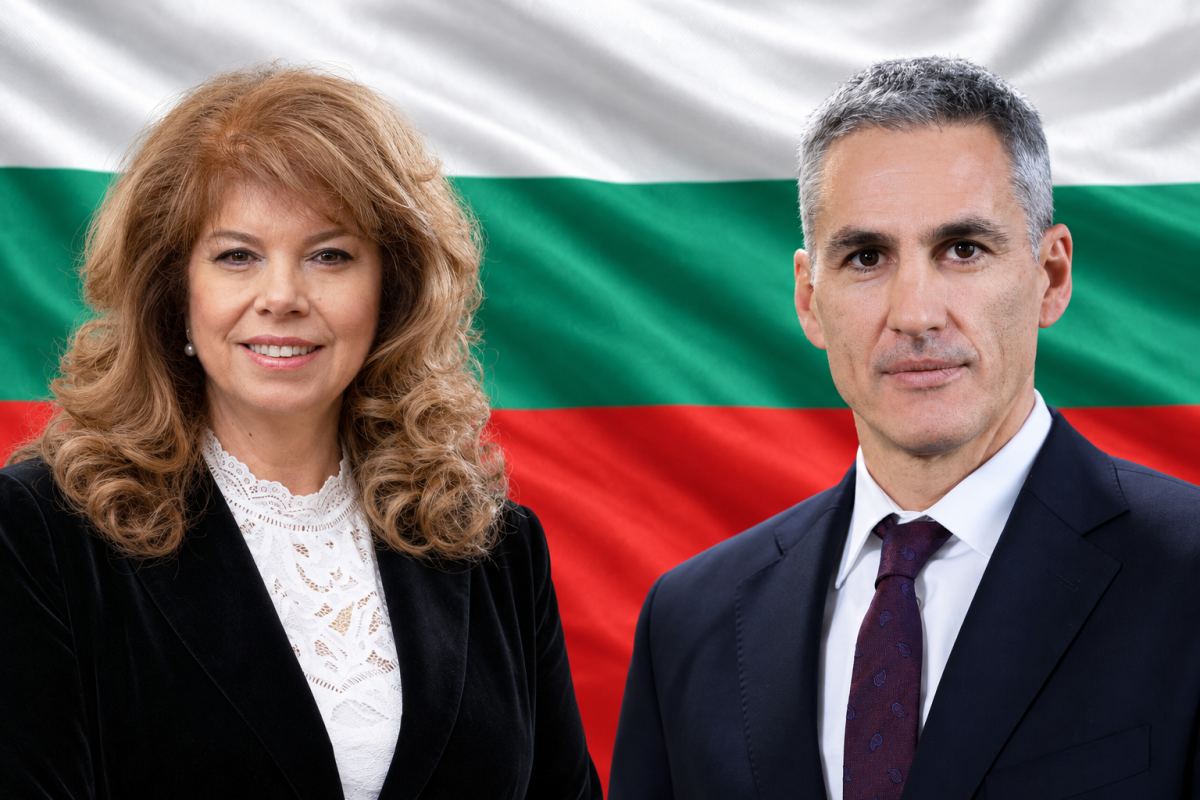
Bulgaria’s acting president, Iliana Yotova, leads Sunday’s presidential runoff, according to estimates released by polling organizations after polls closed. Her opponent, former caretaker prime minister Andrey Gurov, said he accepted the results he had seen. The Central Election Commission has yet to release the official count.
Public broadcaster BNT reported that a parallel count by polling firm Myara put Yotova and her running mate, Kiril Valchev, at 58.2%, against 38.6% for Gurov and Georgi Kandev. Alpha Research put the figures at 57.4% and 39.6%, respectively. Both are independent estimates based on a sample of polling stations, not an official count of every ballot.
If her lead is confirmed, Yotova will become the first woman elected president of Bulgaria. She has held the office in an acting capacity since January, when her predecessor, Rumen Radev, resigned to take part in parliamentary elections. The presidential term lasts five years.
A lead awaiting confirmation
Initial exit polls had suggested a closer race. Bulgarian National Radio said Myara’s first survey gave Yotova 51% and Gurov 44.7%, while Alpha Research put them at 52.5% and 43.4%. The two firms’ estimates used different reporting cutoffs.
Polls closed in Bulgaria on Sunday evening, but Bulgarians living abroad were also able to vote. According to national radio, the last polling stations on the US West Coast were scheduled to close at 6 a.m. Monday in Sofia. Pollsters’ figures may differ from the electoral authority’s results once it has checked the returns.
Gurov told reporters he accepted the results he had seen and called for unity around shared goals. Yotova thanked voters, the Progressive Bulgaria party and Prime Minister Radev for their support. She also said Gurov had called to congratulate her, BNT reported.
The margin was much narrower in the first round on October 25. According to the Central Election Commission, Yotova and Valchev received about 34.76%, while Gurov and Kandev won 31.95%. Turnout was around 23%, a record low for a presidential election since the fall of communism, according to local media and international news agencies.
Ukraine and Black Sea security
Russia’s war against Ukraine and its regional repercussions were central campaign issues. Bulgaria is a member of the European Union and NATO and borders the Black Sea, where a series of drone attacks on commercial vessels has raised concern about maritime security.
Yotova has advocated a negotiated end to the war and opposed further Bulgarian military aid to Ukraine. She has also supported improving relations with Russia. Her opponent, backed by reformist opposition parties, called for stronger support for Kyiv and closer coordination with NATO and EU allies.
Both candidates condemned the attacks on ships, Reuters reported. In a debate before the runoff, Gurov criticized Yotova for not explicitly attributing them to Russia. Their different positions reflect a domestic debate over Bulgaria’s response to the war, although the president does not direct government policy alone.
The head of state has representative duties, serves as commander in chief and can veto legislation, among other powers. Legislative and governing decisions also depend on parliament and the government. Direct election gives the president a national political platform.
Relations with Radev’s government
Yotova served two terms as vice president alongside Radev before becoming acting head of state. A former journalist and member of the European Parliament, she was backed in this election by Progressive Bulgaria, Radev’s party, which won a parliamentary majority in April.
Gurov, an economist and former deputy central bank governor, led a caretaker government before that parliamentary election. During the campaign, he warned that keeping the presidency in the hands of a government-backed figure would weaken checks on the executive. His supporters called for a clearer Bulgarian voice within its Western alliances.
Turnout will be another figure to watch when final results are available. Early estimates pointed to a somewhat higher turnout than in the first round, but still suggested that a substantial share of voters stayed home. The electoral authority must complete the domestic and overseas count before officially confirming the result.