US promises farm aid as diesel prices rise, but payments will follow election
An $8 billion fuel-relief plan comes alongside loan guarantees and other agricultural programs. The exact payment schedule has yet to be set.
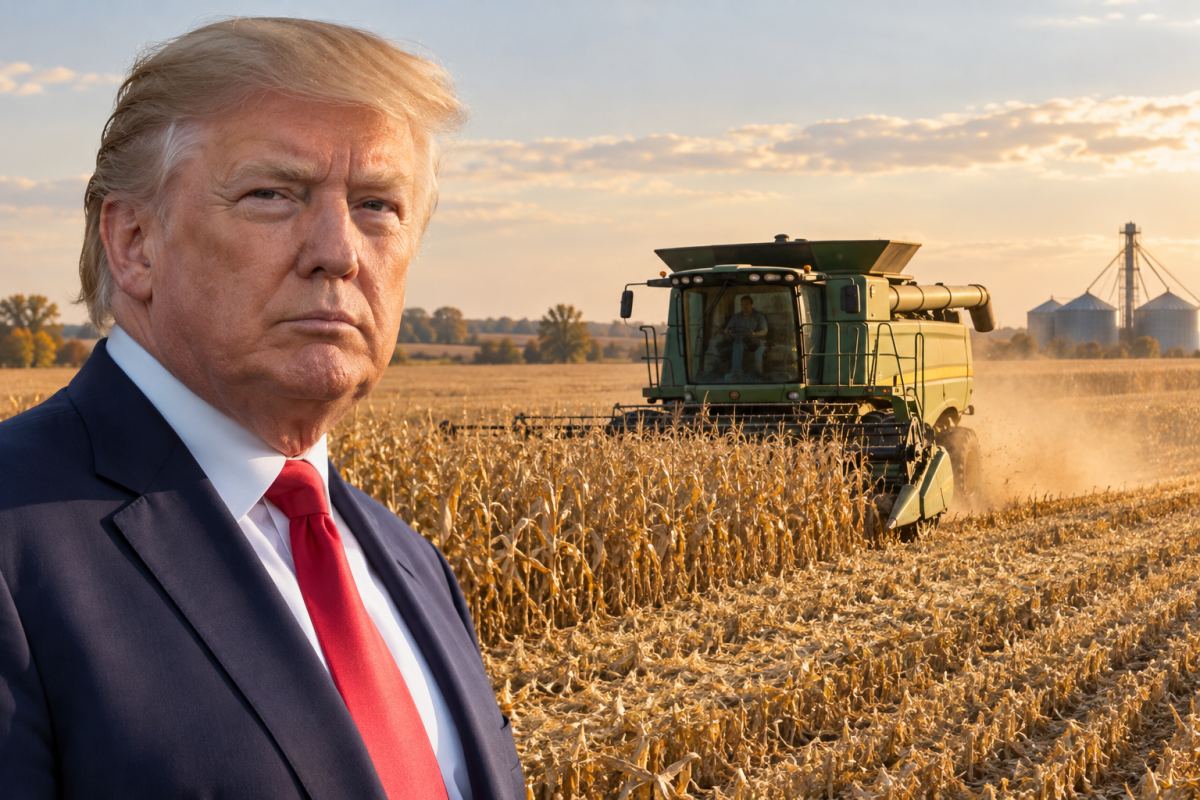
The Trump administration has announced a series of measures for US farmers, ranchers and fishers in recent weeks as higher diesel and other input prices put pressure on harvest costs. The largest initiative promises $8 billion in one-time payments to help with fuel expenses, but there is no precise date for the money to arrive.
The announcements come days before the November 3 midterm elections, alongside presidential visits to agricultural states. The relief is intended for a sector facing higher production costs and reliant on diesel to run tractors, combines and trucks. The Department of Agriculture says the program is intended to offset some losses associated with market disruptions during the 2026 season.
The Associated Press put the value of recently announced payments and other USDA initiatives at more than $15 billion. That total combines different kinds of assistance, including up to $5 billion in loan guarantees to expand livestock and seafood processing. A loan guarantee is not a direct payment and does not mean the money has already been disbursed.
Fuel payments will come later
Harvest Fuel Relief, announced October 19, is designed to provide one-time payments to eligible producers using a formula based on estimated losses for different crops. The USDA says its calculations will use planted acreage, production costs, yields and prices.
The department said it would publish rates in November for major commodities covered by the program and announce the method for other products later. It also invited specialty-crop producers and fishers to submit information about rising fuel costs so that it could be considered when their payment amounts are set.
A USDA official told Reuters on October 23 that the payments would arrive after the election. Richard Fordyce, who oversees farm production and conservation, said the precise timetable had not been set and that he hoped payments would come around the end of the year. The announcement therefore offers the prospect of assistance, but not a payment date for each operation.
Fuel is a major expense during harvest and transportation. According to AAA data cited by AP, the national average diesel price on Friday was $6.32 a gallon, about 70% higher than a year earlier. That is an average: actual costs vary by state and by how much fuel each producer uses.
Programs with different purposes
Alongside fuel relief, the USDA announced the SPUR loan-guarantee program on October 23, offering up to $5 billion to expand processing capacity for ranchers and fishers. The measure is intended to facilitate financing; its terms and beneficiaries differ from those of the diesel payments.
The department also announced plans to purchase up to $472.5 million in US agricultural products for food-assistance networks and other nutrition initiatives. The list includes dairy products, rice, legumes, fruit, nuts, meat and fish. The purchases would provide a potential market for producers while supplying food programs.
Another $1.8 billion or so consists of conservation payments to producers and landowners taking part in federal programs. According to the USDA, these payments compensate commitments involving the protection of natural resources and grasslands. They are separate from the fuel-relief program.
Other payments support revenue and prices connected to the 2025 crop. The USDA announced that those programs would generate approximately $13.8 billion in gross payments to eligible producers. Because they follow different rules and cover different periods, the amounts should not be confused with one new check for every rural family.
Rising costs and squeezed margins
Farm finances depend on more than the price at the pump. In its September 3 forecast, the USDA’s Economic Research Service estimated that sector-wide production expenses would reach $492.8 billion in 2026, a nominal increase of 4.5% from 2025. The forecast cited higher expected spending on livestock and poultry, fertilizer and fuel, among other factors.
The agency projected net farm income of $158.4 billion for the year, down 2.6% from 2025 before adjusting for inflation. That is a forecast for the sector as a whole, not the outcome for every farm. It was published before October’s fuel announcement and could be revised as new information becomes available.
Reliance on government payments has also grown. In September, the economic service estimated $47.4 billion in direct federal payments for 2026, excluding loans and insurance indemnities. Reuters noted that the subsequently announced $8 billion could raise that figure if fully distributed; the calculation is not a substitute for an official forecast update.
The assistance could ease immediate pressure on those who qualify, but its effects will depend on when payments arrive and on the costs producers face next season. The response at the ballot box is also uncertain: rural voters will weigh priorities ranging from prices and farm profitability to access to services and the broader economy.