Poundland seeks a buyer under court protection as thousands of jobs hang in the balance
The British discount chain has ten days to negotiate a rescue. Filing notice of an intention to appoint administrators does not mean the business has already been liquidated or that job losses have been announced.
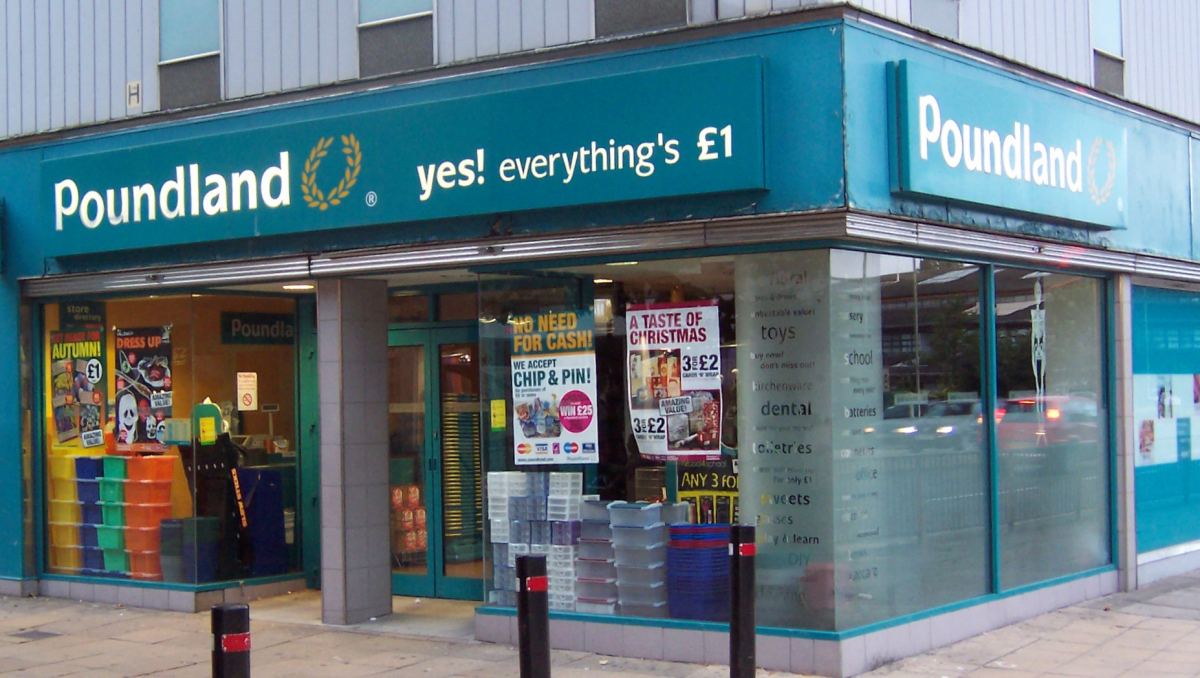
Poundland, one of Britain’s best-known discount chains, has secured ten days of protection from creditors as it searches for a way out of its financial crisis. Its directors filed a notice of intention to appoint administrators with the High Court, and the filing was approved on Thursday, October 29. The move brings the company closer to a possible insolvency process, but it does not mean every store has closed or that administrators have already taken control. Thousands of employees now await the outcome of talks over a sale of the whole chain or its individual parts.
The uncertainty covers a network of about 600 shops, including some trading as Dealz in Ireland, according to The Guardian. The retail union Usdaw said it was seeking to protect more than 11,000 jobs; other news estimates put the number potentially affected at around 12,000. Those are estimates with different scopes, not announced redundancies. What is confirmed for now is the court filing and the limited window in which to reach a deal.
What the ten-day protection provides
A notice of intention to appoint administrators gives the company temporary breathing space from creditors’ demands. During that period, management can pursue a sale or restructuring without immediate payment pressure forcing the business to shut. Both the union and the company describe it as an opportunity to find a buyer. It does not guarantee a rescue: if no acceptable agreement emerges, a formal administration remains possible.
The dispute intensified after majority owner Gordon Brothers rejected a management-backed offer to buy the business as a whole. Usdaw identified Martin Property Group as the prospective buyer and argued that keeping Poundland together would preserve more jobs. According to British press reports, Gordon Brothers believes a separate sale of shops and stock might recover more value. The positions reflect competing financial interests; neither tells employees yet how many shops will remain open.
Poundland’s board said it filed the notice to provide stability while its advisers sought the best possible outcome. It also acknowledged that earlier efforts had not produced an acceptable offer for the entire company. Some buyers have shown interest in parts of the network, according to British media. Acquiring selected shops could preserve trading and jobs at those sites, but it would leave the rest of the chain without a comprehensive solution.
From the £1 price point to rising costs
Poundland opened its first shop in Burton upon Trent in 1990 and became known for selling goods at a fixed price of £1. Over time, it broadened both its prices and product ranges as supermarkets and rival discount chains increased the competition. The brand no longer means that every item costs a pound. Higher operating costs and the need to attract price-conscious shoppers have made the physical-store business more difficult.
A change of ownership did not stabilize the chain. In 2025, Pepco Group agreed to sell Poundland to a Gordon Brothers affiliate for a nominal £1, alongside a financial arrangement involving loans and obligations. That symbolic price does not mean the entire business was literally worth a pound, or that its debts disappeared. Poundland had already closed stores in an earlier restructuring. The present argument concerns the value remaining in its shops, stock and brand, and how that value would be divided among owners, creditors and potential buyers.
Usdaw accused the owner of prioritizing the recovery of money over a sale that would keep the company intact. That is the union’s position on behalf of employees, not a court finding about Gordon Brothers’ motives. Suppliers, landlords and customers also have a stake in the outcome. If the chain is broken up, each buyer will decide which shops and contracts it wants. If a buyer takes the whole business, its financial and employment terms will still need scrutiny.
The approach of the Christmas shopping season adds to the uncertainty for staff. Employees do not yet have a definitive list of closures or transfers. Nor has an agreement been announced on contracts, wages or working conditions if another chain buys some locations. Those questions can only be resolved once the successful bid and the scope of any sale are known. The court filing provides a window for negotiations, but the decisive step will be a financed offer accepted by those controlling the process. Poundland has not been liquidated: the fate of its shops and employees remains at issue while the company tries to settle its debts.