Ebola outbreak in Congo surpasses 5,000 deaths and remains active in eight provinces
The latest official report records 5,026 deaths and 10,351 confirmed cases through October 29. Contact tracing gaps and pressure on treatment centers complicate the response in eastern Congo.
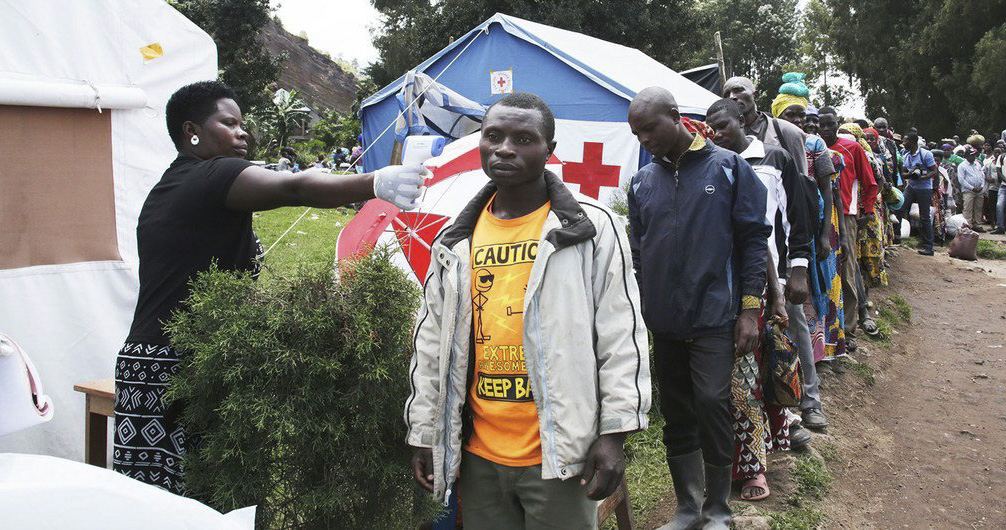
An Ebola outbreak that began in May in the Democratic Republic of the Congo has killed more than 5,000 people, according to the latest available report from the country's National Institute of Public Health. The figures, current through October 29 and released the following day, show 5,026 deaths among 10,351 confirmed cases. Transmission continues in eastern Congo, where difficulties identifying patients early and tracing their contacts are complicating a response that now extends across eight provinces.
The toll makes this outbreak, caused by the Bundibugyo virus, the second-deadliest recorded Ebola epidemic after the 2014–16 outbreak in West Africa. That comparison conveys its scale; it does not mean the two emergencies covered the same territory or developed over the same period. Congolese authorities reported 77 additional cases and 34 deaths in the 24 hours covered by the October 29 bulletin. Twenty of those deaths occurred outside treatment centers.
Two provinces bear most of the burden
Ituri has recorded 7,346 confirmed infections and 3,436 deaths since the outbreak began. North Kivu has recorded 2,436 cases and 1,356 deaths. Together they account for most of the national toll, although the latest day's figures show a different pattern of activity: 45 of the 77 new cases were reported in North Kivu and 28 in Ituri. Haut-Uélé reported three and Tshopo one. A day without new cases in other provinces does not mean the outbreak there is over.
The Congolese institute's report identifies 67 health zones affected since May across eight of the country's 26 provinces. Areas with current transmission are not necessarily the same as those with the largest cumulative totals. The national figures therefore need to be read alongside daily reports and local surveillance: a rise in one area may call for more staff and beds even if another has gone weeks without reporting an infection.
The observed case-fatality rate among confirmed cases is 48.6%. That proportion is not a measure of any exposed person's individual risk: it depends on which cases were detected, access to care and how the outbreak has developed. The same report counts 2,788 recoveries. The National Institute of Public Health warns that teams still struggle to identify every potentially infected person before the virus spreads at home or during caregiving.
Contact tracing falls short of the target
On October 29, health teams were meant to monitor 37,367 people who had been in contact with cases. They reached or located 31,573 of them, or 84.5%, below the 95% operational target in the official bulletin. The rate was 68.6% in Tshopo and 81.1% in North Kivu. When a contact cannot be monitored promptly, early symptoms are harder to spot and a possible chain of transmission harder to trace.
The report also shows the strain on medical care. It listed 1,101 patients in isolation or treatment centers. A separate bed-occupancy table counted 987 patients against 1,461 reported beds. In North Kivu, centers reported 546 patients for 410 beds, a clear sign of overcrowding. In one Ituri health area, the bulletin cited a shortage of blood and difficulties providing food to patients.
Violence and work stoppages are making the response harder. The official document records threats against outbreak-control teams along several routes, a health post in North Kivu that has been closed since September, and a strike disrupting operations in Bas-Uélé. Associated Press has also reported attacks on health workers and delayed pay at some centers. Together, these problems can leave exposed people without monitoring and delay patients' transfer to facilities where they can receive care.
The World Health Organization has warned that armed conflict, displacement and limited access to health services in eastern Congo make early detection more difficult. A death in the community, before a patient reaches a specialized center, is a human loss and can expose those who cared for the person. In the daily tally, 20 of the 34 confirmed deaths occurred outside treatment centers. That figure helps explain why prompt access to care is central to the response.
Cases beyond Congo and the limits of vaccination
The outbreak has also led to cases in other countries. In an October 30 update, the U.S. Centers for Disease Control and Prevention listed nine confirmed cases and two deaths in Kenya, as well as one case in Nigeria. Uganda had declared its episode over, and the confirmed patient in France had recovered. Those countries' figures have their own reporting dates and definitions and should not be added to Congo's total. The CDC said no cases linked to this outbreak had been reported in the United States and assessed the risk of spread there as very low.
Bundibugyo is one of the viruses that cause Ebola disease. The WHO says it spreads between people through direct contact with an infected person's bodily fluids or contaminated materials. No vaccine has established efficacy in humans against this virus. Although the Congolese bulletin records campaigns using Ervebo, the WHO recommends its use against Bundibugyo only under research protocols, because protection against this virus has not been demonstrated.
A key measure in the coming days will be whether authorities can reduce new infections and reach a greater share of contacts, particularly in North Kivu. The total of 5,026 deaths captures five and a half months of epidemic. Daily case numbers, treatment-center capacity and surveillance across affected areas will show whether the response is succeeding in breaking chains of transmission.