U.S. approves possible sale of 500 Patriot interceptors to Ukraine, but delivery may take years
The $2.1 billion package would be financed with allied contributions. Zelenskyy says Kyiv needs existing missiles now, while the new order has no public delivery timetable.
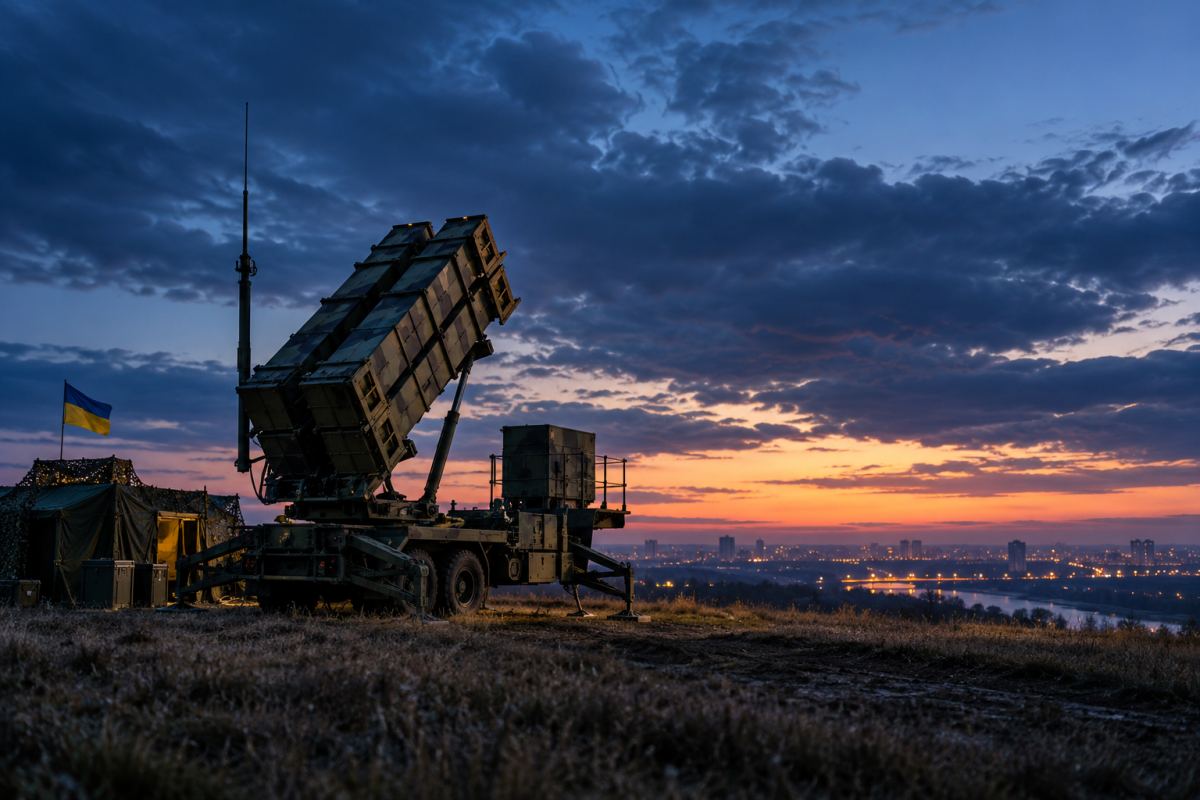
The United States has approved a possible sale of 500 Patriot PAC-3 MSE interceptor missiles to Ukraine, a package valued at about $2.1 billion and to be financed with contributions from allied countries. Announced Friday, October 30, the decision opens an administrative path to strengthen air defenses under sustained Russian attack. But Kyiv says approval does not solve its immediate shortage. President Volodymyr Zelenskyy warned that deliveries from the new order might not begin for several years, while Ukraine needs interceptors before the coming winter.
Approval and delivery are different steps. The U.S. State Department cleared a potential Foreign Military Sale. The package includes 500 PAC-3 Missile Segment Enhancement interceptors, spare parts and logistical support. The announcement gives no public production or delivery schedule. The proposed sale still faces congressional review; it is neither a final contract nor an immediate shipment of missiles.
What Washington approved and who would pay
According to the U.S. notification reported by Reuters and Ukrainian news outlets, Ukraine would pay through contributions from Canada, Germany and Norway under the JUMPSTART program, together with its own funds backed by a European Union loan. Washington says no U.S. government money would be used for this purchase. Lockheed Martin is named as the principal contractor. The estimated $2.1 billion covers the entire package, including goods and services beyond the missiles; dividing it by 500 would not yield a verified unit price.
PAC-3 MSE missiles are interceptors used by Patriot air-defense systems against aerial threats, particularly ballistic missiles. This proposal concerns ammunition and support for existing systems. The published description does not include new complete Patriot batteries with radars and launchers. More missiles can help deployed units keep operating, but they do not on their own create additional sites from which Ukraine can protect cities and infrastructure.
The State Department said the sale would strengthen Ukraine's integrated air defense and sustain its Patriot systems during ongoing attacks. That is Washington's stated rationale. Politically, the decision also allows the purchase to move forward after Kyiv raised concerns about delays in approving supplies. Its military effect will depend on how many interceptors are delivered, when they arrive and how they are integrated into Ukraine's defenses.
The immediate shortage a new order cannot fill
Ukraine's appeal comes amid continued strikes on its energy network. In a Friday address, Zelenskyy described new Russian attacks on energy facilities in Dnipro, Kyiv and other regions. He said 17 ballistic missiles had been launched overnight and stressed how hard they are to counter with limited Patriot interceptor stocks. Those figures come from the Ukrainian government; they are not an independent assessment of damage or of missiles shot down.
Zelenskyy thanked the United States for authorizing the 500 interceptors but said the expected supply timetable could stretch into years. He called for allies that already hold interceptors to transfer them before winter and replenish their own stocks later from new production. That is a Ukrainian proposal, not an agreement announced by those countries. As of this article's reporting cutoff, no such transfer tied to the new order had been confirmed.
Earlier in the week, Zelenskyy said Ukraine had received an average of 12 Patriot missiles a month from the United States in 2026. He cited the figure to show the gap between deliveries and the pace of Russian attacks. It is his account of one supply channel, not a total inventory of Ukraine's air defenses or a count of missiles supplied by every ally. The immediate problem is shaped not just by the size of a 500-missile order but by how quickly ammunition can reach Ukrainian forces.
NATO commanders have said other deliveries of U.S.-made weapons bought by allies were continuing. Those statements concern shipments already under way and do not provide a timetable for this new package. Future production and the transfer of existing stocks are separate routes. Only the latter could address the near-term shortage without waiting for newly manufactured interceptors.
What must happen next
The formal review must be completed before the proposed sale becomes a purchase agreement with defined terms and a timetable. Production, transportation and delivery would follow. None of those milestones can be dated precisely from Friday's authorization. Zelenskyy's warning about a possible wait of several years points to the uncertainty but does not establish an official date for the first shipment.
Kyiv will meanwhile seek missiles that have already been manufactured to protect its energy infrastructure through winter. Washington's decision creates a potential longer-term supply channel, financed by several allies. Its immediate limit is clear: permission to buy missiles does not put them in Ukraine's launchers today. The measurable result will be the contracts, a confirmed delivery schedule and interceptors actually transferred, not the approved quantity alone.