Iran and US resume indirect contacts over Hormuz, but no deal is in place
Tehran welcomes a letter from JD Vance and proposes a two-day timeline for a partial reopening of the strait. Iran says no direct meeting with US officials is scheduled.
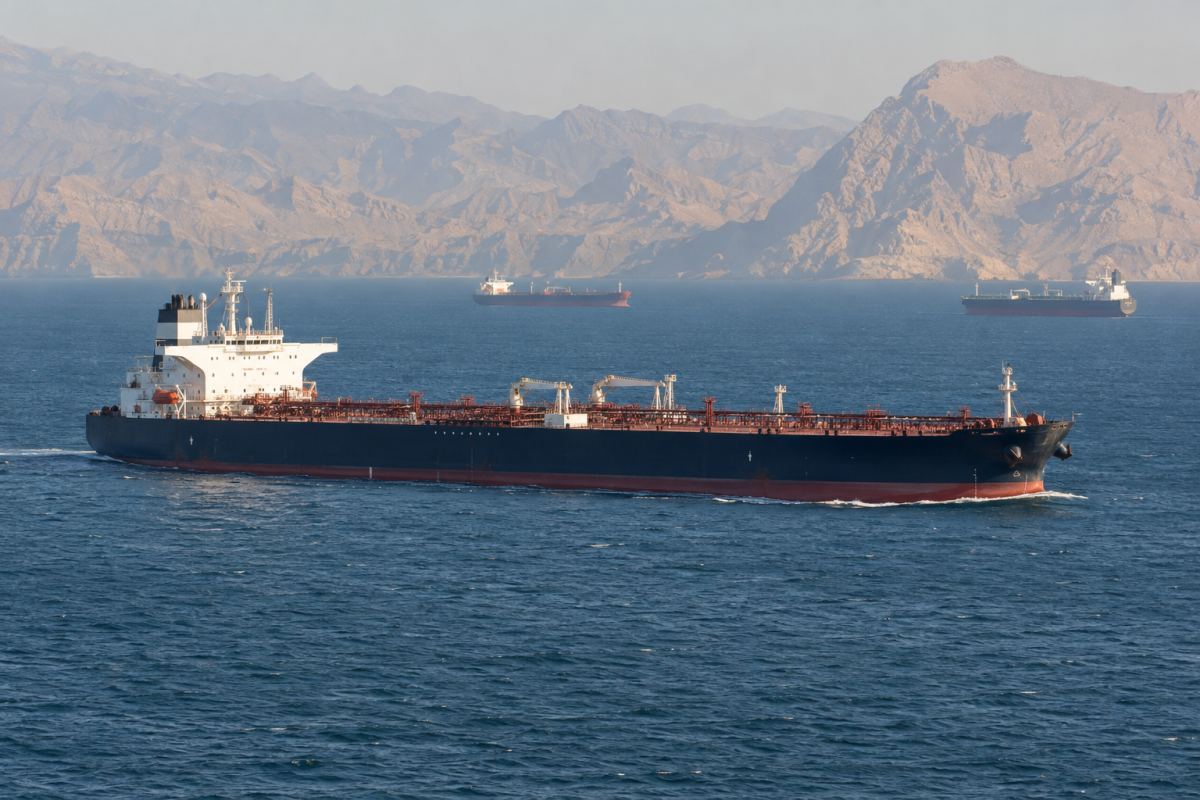
Iran and the United States remain in contact through mediators as they seek to avert another military escalation and address restrictions on shipping through the Strait of Hormuz. Iranian Foreign Minister Abbas Araghchi confirmed that a delegation had gone to Doha for further discussions with Qatar and described a letter from U.S. Vice President JD Vance as a positive step. That opening is not yet a direct negotiation or an agreement. Tehran says it has no meeting scheduled with U.S. officials and insists that its conditions be addressed before talks can advance.
The most concrete change concerns the timetable in an Iranian proposal for partially reopening the waterway. Araghchi told Al Jazeera that talks with Qatari mediators had reduced the proposed implementation period from seven days to two. He did not say that Washington had accepted the plan or that ships were already free to transit without restrictions. Hormuz is a crucial route for international oil and gas shipments, so even a limited change in access would matter well beyond the Middle East.
A letter considered in Tehran, but no bilateral meeting
In an interview published October 31, Araghchi said senior Iranian officials had reviewed Vance's message. He welcomed the U.S. attempt to broaden dialogue but rejected reports suggesting a meeting between representatives of the two governments was imminent. Qatar and Pakistan continue to pass proposals between the sides, he said. Whether any eventual talks are direct or indirect will depend on which of Tehran's conditions Washington is prepared to meet.
The full text of the letter has not been released. President Donald Trump acknowledged authorizing the outreach but characterized it as an effort concerning medical supplies and humanitarian aid. Other reporting has placed the message in the context of attempts to revive negotiations over the war. With no public text, the letter cannot be treated as a specific commitment by either government to enter formal peace talks.
The Iranian delegation's visit to Doha followed consultations between Qatari mediators and officials in Tehran. The channel shows that the sides are still exchanging positions, not that they have resolved their central disagreements. Mohsen Rezaei, the secretary of Iran's Supreme National Security Council and the letter's recipient, told state television that he had not yet replied. He said Washington's tone had changed but declined to disclose details of a message the U.S. had not made public, according to The National.
Hormuz, sanctions and the nuclear issue
Iran wants sanctions imposed after an agreement signed in Islamabad lifted, a reduced U.S. military presence in the region and the restoration of exemptions allowing Iranian oil exports. It also seeks the release of frozen funds, including money held in Qatar, and recognition of shipping routes it says it discussed with Oman. Araghchi presented those demands as conditions for progress, not concessions already secured.
Washington, meanwhile, wants assurances about Iran's nuclear program and navigation through Hormuz. Mediators have submitted proposals on the nuclear issue that Tehran says it is reviewing. The gap between the two sets of priorities explains why a shorter two-day timetable, even if it indicates some flexibility about the order of steps, does not amount to a deal. A sustained reopening would require agreement on what each side must do, in what sequence and with what means of verification.
The conflict that began with U.S. and Israeli attacks on Iran in February has disrupted traffic through the strait. Iran has attacked vessels and laid mines, while the United States has maintained restrictions on Iranian ports, according to Al Jazeera and The National. Against that backdrop, any announcement about Hormuz matters to exporters, shipping companies and countries reliant on imported energy. Tehran's latest proposal does not, on its own, establish that normal transit has resumed.
Diplomacy alongside threats of further strikes
Both governments continued to use military warnings during the same weekend that the diplomatic contacts came into view. Araghchi said Iran was prepared for different scenarios and warned of a response if it were attacked again. Trump told reporters in Florida that the talks were going well but said the United States still had Iranian targets it could strike. Those were statements about possible future action, not reports of new strikes.
U.S. Secretary of State Marco Rubio said Saturday that Trump had not decided whether to resume attacks and that Washington remained open to a diplomatic solution, The National reported. He gave no timetable for the Qatar-led consultations. The parallel messages of mediation and military deterrence make it essential to distinguish a channel of communication from a final policy decision.
Japan's Kyodo News described the exchanges as a resumption of indirect dialogue while stressing that the two sides remain far apart. The next verifiable steps would be a formal response to Vance's letter, a decision on the conditions for access to Hormuz and, potentially, the scheduling of talks with a defined format. Until then, the Qatari channel keeps a diplomatic possibility alive without resolving restrictions on the waterway or the threat of renewed hostilities.