Ohio State ends Indiana’s streak with two fourth-down gambles
The Buckeyes won 19-15 in Bloomington after throwing two touchdown passes on fourth down. Indiana lost its unbeaten record and 22-game winning streak, while Julian Sayin’s injury clouded the visitors’ victory.
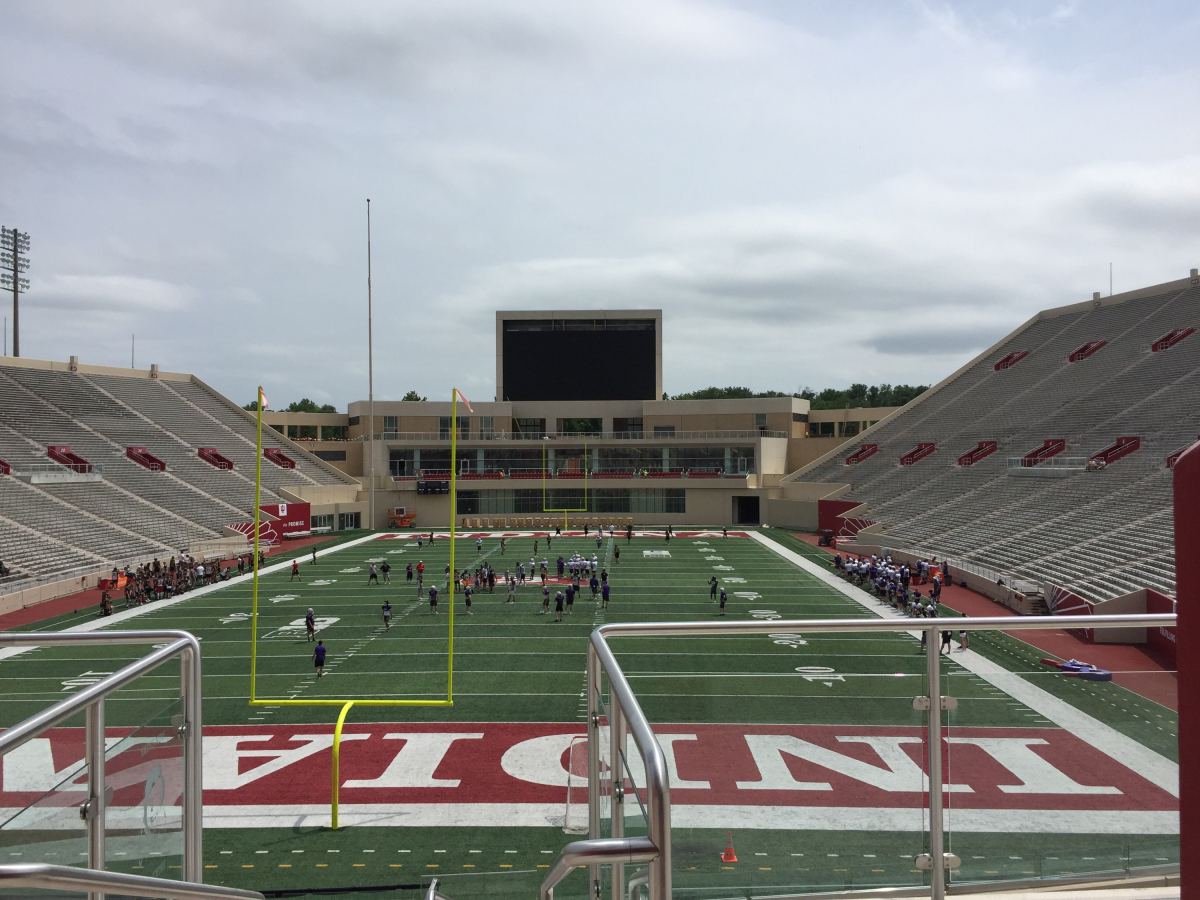
Ohio State turned both of its fourth-down attempts into touchdowns and survived Indiana’s final drive to win 19-15 on Saturday, October 17, in Bloomington. Josh Hoover’s pass toward Nick Marsh near the boundary of the end zone fell incomplete in the final minute: the receiver could not finish the catch in bounds. The Hoosiers came within one play of changing the result. Their 22-game winning streak ended against an opponent whose most important scores came when it chose to take a risk.
The meeting between the fourth- and fifth-ranked teams in the AP poll left both at 6-1 overall, but separated them in the Big Ten standings: Ohio State improved to 4-0 in conference play, while Indiana fell to 3-1. It also ended the Hoosiers’ 19-game home winning streak. There was a concern amid the visitors’ celebrations. Sayin left injured in the fourth quarter, and Luke Fahey finished the game at quarterback. The victory strengthened the Buckeyes’ position without settling questions about their starter’s future availability.
Two decisions that changed the score
Ohio State’s first touchdown came just before halftime. With Indiana ahead 7-3, the visitors sustained a 15-play, 80-yard possession before finding Bo Jackson with a two-yard pass on fourth down. The running back became the receiving option, and the extra point made it 10-7. Rather than settle for a kick that would have narrowed the deficit, Ryan Day’s team turned a lengthy possession into a change of lead before the break.
The second gamble was a different kind of play. In the fourth quarter, leading 13-7, Ohio State faced fourth-and-one at Indiana’s 38-yard line. Sayin went deep to Jeremiah Smith, who completed the touchdown catch among defenders. The two-point attempt failed, leaving the Buckeyes ahead 19-7 with 12:46 remaining. Eleven Warriors highlighted the two conversions as the plays that sustained the visitors’ offense. They were more than first downs: they produced both of Ohio State’s touchdowns.
The contrast appeared in the official statistics: Ohio State finished two-for-two on fourth down and Indiana zero-for-two. That difference helps explain a game in which the Hoosiers gained more total yards, 369 to 313. Their greater production did not yield more points because several possessions ended without a return. The Buckeyes did not control every stretch, either, but their two biggest gambles directly changed the score and forced their opponents to chase them throughout the second half.
Indiana found an opening, then missed others
Connor Hawkins had opened the scoring with a 26-yard field goal following a 67-yard opening drive. Indiana responded in the second quarter when Amare Ferrell intercepted Sayin, leaving the ball close to the visitors’ end zone. Turbo Richard finished the opportunity with a seven-yard touchdown run. The Hoosiers led 7-3 and had another chance to extend the advantage, but Nico Radicic’s 32-yard field-goal attempt hit the upright.
The defenses kept trading opportunities after halftime. Jay Timmons forced a fumble that Earl Little Jr. recovered, setting up Hawkins’ 29-yard kick for a 13-7 lead. Jaylen McClain then forced another Hoover fumble, and TJ Alford secured the recovery. Ohio State did not capitalize on that second takeaway: Ferrell intercepted Sayin again. Indiana had another opportunity to close the gap, but Radicic’s 55-yard attempt came up short.
This was therefore far from uninterrupted Ohio State superiority. Sayin threw two touchdowns but also two interceptions, while Indiana lost two fumbles. Each defense found ways to give the ball back to its offense. The distinction lay in what happened to those opportunities and the value of the plays that followed them. Ohio State’s quarterback mistakes do not disappear behind his scoring passes, just as Indiana’s turnovers do not erase the work that kept the home team in contention.
A response that kept the comeback alive
After Smith’s touchdown, Hoover led a 75-yard drive that ended with his 19-yard scoring pass to Marsh. The subsequent completion to Richard added two points and cut the deficit to 19-15 with 10:30 still remaining. The response gave Indiana a chance to win with another touchdown and made the rest of the game a contest for possessions. The home offense no longer needed several scoring drives to come back: a single touchdown could change the outcome.
Sayin’s departure increased the pressure on Ohio State’s defense. Fahey came in, and the Buckeyes could not comfortably close out the game with more points. Indiana got the ball for another late drive, moved into opposing territory and targeted Marsh on fourth down. The pass did not produce the valid reception the Hoosiers needed. After that turnover on downs, Ohio State kept possession and ran out the clock. The four-point margin remained intact.
Hoover finished with 296 passing yards, and Charlie Becker supplied 165 receiving yards. For Ohio State, Sayin threw for 235, while Smith caught four passes for 68 yards and a touchdown. Jackson added 56 rushing yards to his touchdown reception. Neither ground game opened a substantial gap: the visitors gained 78 rushing yards and Indiana 73. Ohio State held the ball for 32 minutes, 12 seconds and collected 19 first downs to the home team’s 17. Those were the numbers of a close contest rather than a comfortable victory.
The win gave Day a significant result against a highly ranked opponent and preserved his team’s unbeaten conference record. For Curt Cignetti, defeat ended an exceptional streak without eliminating Indiana’s competitive prospects: both teams still have only one overall loss. The AP positions cited here refer to the poll before the game, not a College Football Playoff ranking. Bloomington produced a more concrete distinction than any forecast: Ohio State found two touchdowns on fourth down; Indiana could not complete the final catch it needed in response.