Seven OPEC+ countries keep oil production targets steady for December
Saudi Arabia, Russia and five other producers will retain their September targets as shipping risks continue to pressure energy markets.
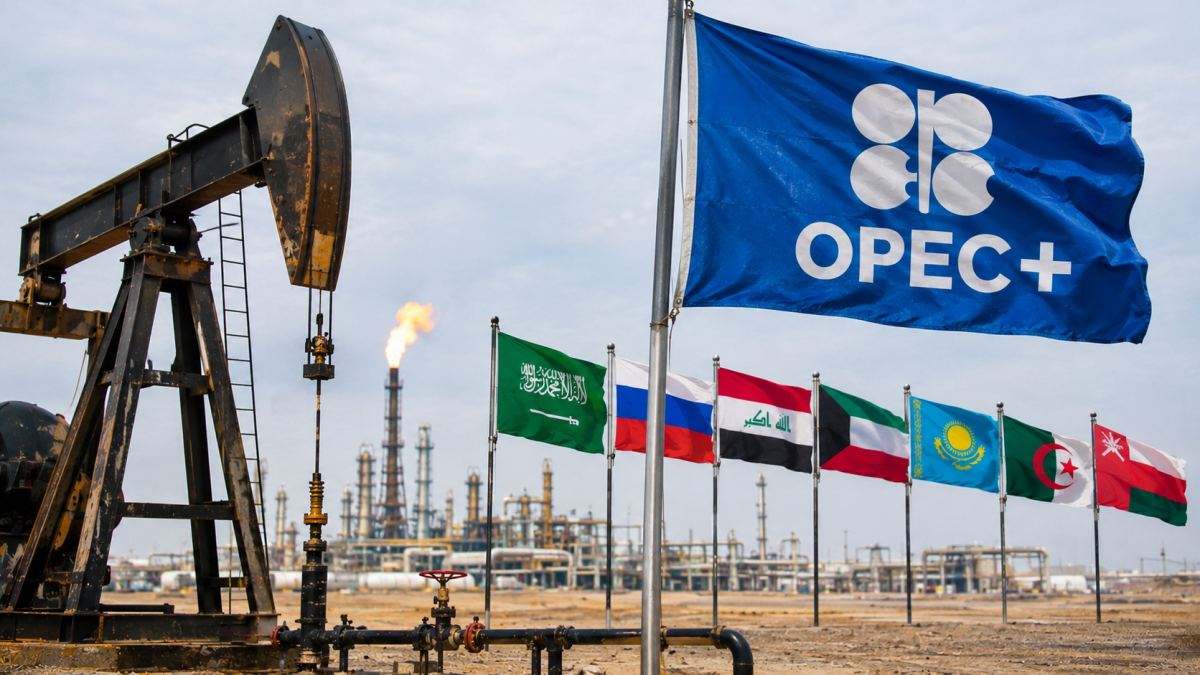
Seven members of the OPEC+ oil alliance agreed Sunday to keep their December crude production targets at the levels set for September, as the Middle East conflict continues to disrupt energy transportation. The group will review the market again on November 29, the Organization of the Petroleum Exporting Countries said.
Saudi Arabia, Russia, Iraq, Kuwait, Kazakhstan, Algeria and Oman made the decision at an online meeting. It is the third consecutive month for which the producers have maintained the same benchmark, following similar decisions for October and November. The agreement applies to the seven participants, not a new identical quota for every member of the wider alliance.
The decision comes amid high prices and difficulties transporting crude and fuels from the Persian Gulf. For consumers, the eventual effect will depend on how much oil actually reaches the market, refinery operations and transportation costs, as well as changes in demand.
A target is not the same as actual production
OPEC said the seven countries would keep the required production levels established for September through December and reaffirmed their commitment to comply with the cooperation agreements. Its statement announced the next monthly meeting but did not preview a decision for 2027.
Targets are benchmarks agreed by producers. The amount actually extracted and exported can differ because of available capacity, damage to facilities, logistics, security or national decisions. Reuters and the Japanese newspaper Yomiuri reported that several countries were producing below their targets amid disruptions associated with the war involving Iran.
The seven gradually raised their targets through much of 2026. According to Reuters, in September they completed the phased reversal of a voluntary reduction of 1.65 million barrels a day announced in 2023. The news agency said another layer of restrictions affecting most OPEC+ members remains in place through the end of 2026.
The alliance brings together OPEC countries and other producers, including Russia. Sunday’s monthly review involved a particular group within that partnership. Production targets do not guarantee an extra barrel will immediately reach a refinery or consumer, especially when shipping routes face obstacles.
Hormuz and fuel supplies
The Strait of Hormuz is a vital route for energy leaving the Persian Gulf. The war and risks to shipping have prompted companies and producing countries to use alternative routes and ship-to-ship transfers, with costs that also affect final energy prices.
In its October report, the International Energy Agency estimated that total oil flows through the strait rose to 10.9 million barrels a day in September, supported partly by transfers in the Gulf of Oman. That was an estimate for that month, not a guarantee that traffic has returned to normal since.
The same report warned that refined product shipments from the Middle East were recovering more slowly than crude shipments. The agency estimated they reached 1.9 million barrels a day in September, compared with 4.7 million before the war. The difference affects markets such as diesel, an essential fuel for freight and agriculture.
On October 15, IEA governments said approximately 330 million barrels had been released from reserves by that point as part of their response to the crisis and agreed to accelerate the remaining releases. They also expressed concern about shortages in the diesel market.
High prices and plans for 2027
Brent crude futures closed near $118 a barrel on Friday, October 30, Reuters reported. That price preceded Sunday’s meeting and does not show how markets will react to the new agreement. Crude prices influence fuel costs, but taxes, refining and transportation also shape what households and businesses pay.
In a forecast published in October, the US Energy Information Administration estimated that Brent spot prices would average $105 a barrel in the fourth quarter. The estimate rested on assumptions about Middle East flows and warned that the conflict could cause larger swings. It was not a guaranteed price for December.
At their next meeting, producers will have to weigh both immediate conditions and longer-term plans. Reuters reported that the alliance is reviewing production capacities to help establish 2027 quotas. The outcome of that process has not yet been announced.
The course of the war, shipping security and the rebuilding of inventories will continue to shape available supplies. Holding December targets steady leaves the framework agreed by the seven countries unchanged while those factors remain uncertain.