Japan launches disaster management agency to coordinate preparedness and recovery
The agency, with 352 authorized positions, will coordinate preparations for major earthquakes and assistance to affected communities.
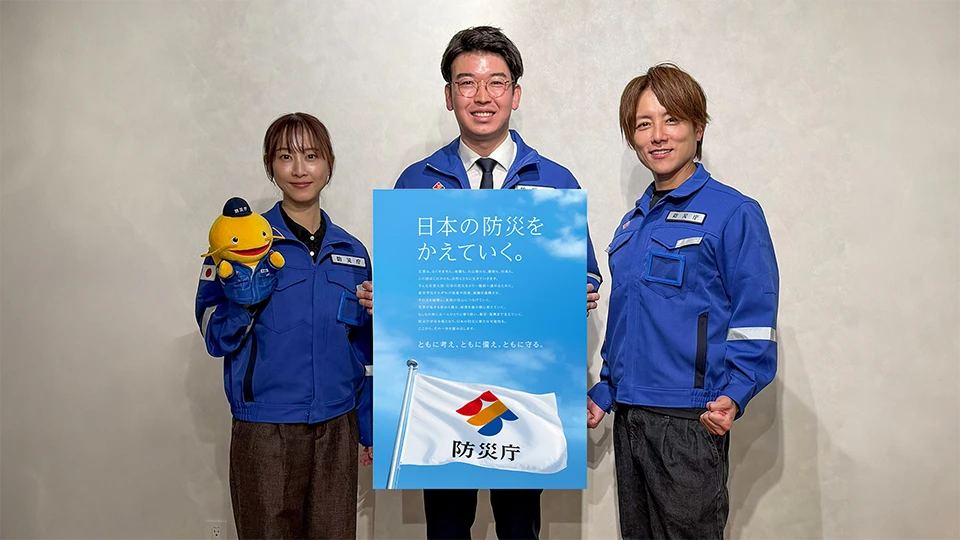
Japan launched a national disaster management agency on Monday to coordinate prevention and emergency response, with the aim of preparing the country for major earthquakes and improving support for affected communities from the first hours of a crisis through reconstruction.
The new agency reports directly to the Cabinet and has an authorized staffing level of 352. The prime minister heads the organization, while Goshi Hosono has taken office as its first minister in charge. The agency expands and reorganizes responsibilities previously handled by the Cabinet Office’s disaster management division.
Its launch comes in a country exposed to earthquakes, tsunamis, volcanic eruptions, typhoons and floods. Scenarios of concern to the government include a major earthquake along the Nankai Trough, south of the Japanese archipelago, and a quake beneath the Tokyo metropolitan area. Preparing for those risks does not mean authorities can predict when a particular earthquake will occur.
At a news conference on Monday, Hosono asked residents to prepare for emergencies by keeping a week’s supply of water, food and portable toilets, Fuji News Network reported. The recommendation is intended to make households less vulnerable in the first days, when roads and services may be disrupted and help can take time to arrive.
From preparedness to reconstruction
The agency’s responsibilities extend beyond coordinating aid after a disaster. Under the law establishing it, the agency must plan policies, coordinate with other national institutions and help ensure that government bodies act together.
The specialist newspaper Kensetsu Tsushin reports that the agency can make recommendations to other ministries, which are required to respect them. Its work will include monitoring disaster risk reduction goals and promoting plans based on an assessment of each region’s vulnerabilities.
During an emergency, the agency is expected to gather the needs of affected municipalities and coordinate the response with the relevant ministries. The goal is to give a local government hit by a disaster a way to communicate its needs without having to manage each part of the aid effort separately.
That coordination can be especially important in the first hours: a blocked road can prevent fuel, water or medical personnel from getting through, and a small community may need assistance before it has finished assessing the damage. The agency will have to work with prefectural and municipal governments, which remain central to evacuations and direct support for residents.
Lessons from Noto
The project was several years in the making. The Japanese government’s disaster management white paper says a preparatory office was established in November 2024. The government linked the work to the need for stronger coordination and lessons from the Noto Peninsula earthquake earlier that year.
The document also identifies practical needs at evacuation shelters, including toilets, food, beds and bathing facilities. The government proposed closer cooperation with the private sector so such supplies and services could be deployed quickly, along with faster collection of information from affected areas.
Difficulties do not end when the initial alert is lifted. Displaced people may spend extended periods away from home and need medical care, services and help rebuilding daily life. Repairing roads and utilities also affects when residents can return and how quickly the local economy can recover.
The new structure is intended to keep track of those later stages. Kensetsu Tsushin says that after a disaster the agency will monitor recovery in affected communities and coordinate their needs with other parts of the government.
Staffing and regional offices
The increase in staffing addresses a problem identified in the previous structure: when a disaster struck, officials responsible for designing policy could be forced to put that work on hold to respond. The new agency has 352 authorized positions, according to Jiji Press.
The size of the agency alone will not resolve the challenges of a crisis affecting several regions at once. Its capacity will also depend on how responsibilities are divided, the experience of its teams and cooperation with local authorities and other ministries.
The government is also considering regional offices to improve prevention and assistance in areas exposed to major earthquakes, including those associated with the Nankai Trough and the Japan and Kuril trenches. Jiji reports that the government intends to choose their locations in the summer of 2027. The offices remain in preparation.
An institution dedicated to training and research for disaster management professionals is also being considered. The project is still under study; no school has opened and no operating schedule has been confirmed.
The agency brings prevention, response and recovery work involving multiple institutions under one coordinating authority. Its first test will be turning that coordination into concrete, sustained measures before the next emergency.