West Bank arson attacks trigger police inquiry and political clash in Israel
Israel's military reported vehicle fires and graffiti in four Palestinian communities. Gadi Eisenkot called the attacks terrorism and demanded stronger action, drawing criticism from Itamar Ben-Gvir.
A series of vehicle fires and graffiti attacks in Palestinian communities in the occupied West Bank overnight into Sunday, November 22, prompted a police investigation and a clash between Israeli political leaders. Israeli media reported suspected involvement by extremist settlers. Investigators had yet to identify those responsible or establish the full extent of the damage.
The Israeli military said soldiers and Border Police officers were sent to four communities after reports and footage emerged of vehicles being set alight. Its statement on Sunday said police investigators and forensic specialists would collect evidence at the scenes under military protection. The investigation was continuing.
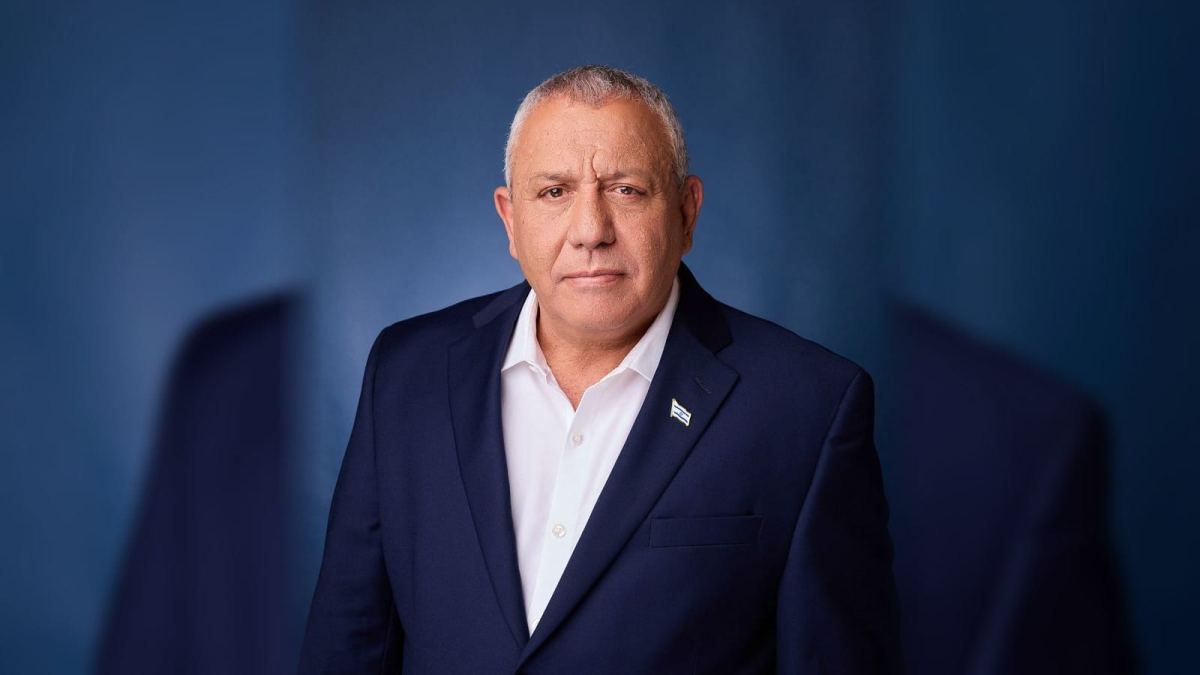
Gadi Eisenkot, a former military chief of staff who leads the Yashar party, described the attacks as “Jewish terrorism” and blamed members of Prime Minister Benjamin Netanyahu's government. National Security Minister Itamar Ben-Gvir accused him of reaching conclusions without knowing the facts of the investigation. The confrontation comes as Eisenkot negotiates to form a new governing coalition.
Investigators sent to four communities
The military named Deir as-Sudan, Deir Abu Masha'al, Kafr Malik and At-Tuwani as the locations to which forces were dispatched. The first three are in the Ramallah area of the central West Bank; At-Tuwani is in the South Hebron Hills. The response therefore extended across separate parts of the occupied Palestinian territory.
The Palestinian news agency WAFA, citing local sources, reported 12 vehicles burned in the three Ramallah-area villages: seven in Kafr Malik, three in Deir Abu Masha'al and two in Deir as-Sudan. A separate WAFA report described a raid on a family home in At-Tuwani, a vehicle set alight and graffiti sprayed on the house's walls.
The military's statement gave no overall assessment of the damage and did not announce casualties or arrests. The Jerusalem Post reported arson, attempted arson and Hebrew graffiti calling for revenge. It said the identities of those involved and the scale of the damage had not yet been independently established. Israeli police told The Associated Press they were investigating the fires and graffiti.
The military condemned the violence, saying it undermined public order, diverted troops from their main duties and disrupted security operations. The statement did not identify any perpetrator or say that the incidents in all four communities had been carried out by a single organized group.
Eisenkot and Ben-Gvir dispute the response
In his Sunday statement, Eisenkot said extremist groups setting fire to vehicles and homes endangered lives, damaged Israel's national security and harmed its foreign relations. He blamed policies pursued by Ben-Gvir and Finance Minister Bezalel Smotrich for bringing the area to what he described as the brink of anarchy.
Eisenkot called for security measures including administrative detention and targeted action by the Shin Bet, according to remarks carried by Israeli broadcaster N12. The Shin Bet is Israel's domestic security agency. Administrative detention allows people to be held on security grounds without a criminal trial. Israeli human rights organization B'Tselem has criticized its use against Palestinians and the obstacles detainees face in challenging secret evidence.
Ben-Gvir responded on X that Eisenkot was rushing to label the incidents terrorism and demand punitive measures without knowing the facts of the case. He also accused Eisenkot of seeking support from Arab lawmaker Ahmad Tibi to form a government. The minister offered no evidence in his post of an agreement between them. He did not provide an alternative police account of the fires.
Yesh Atid leader Yair Lapid also criticized the government. Writing on X, he accused ministers of encouraging the unrest through their silence and pledged to restore law and order if his political camp takes power. The exchanges opened a dispute over government responsibility and the use of security powers while the criminal investigation remained underway.
A wider toll on Palestinian communities
The fires follow weeks of documented attacks on Palestinian property, farming activities and essential infrastructure. The United Nations Office for the Coordination of Humanitarian Affairs, OCHA, recorded 40 settler attacks causing casualties or property damage across 30 communities in its report covering November 10–16.
Settler violence and related restrictions on access displaced 68 Palestinians, including 31 children, during that reporting period, OCHA said. Those figures concern the week before Sunday's fires. They describe conditions facing Palestinian communities before the latest incidents and the police inquiry announced this weekend.
The olive harvest has also been disrupted. OCHA recorded 15 harvest-related settler attacks causing casualties or property damage during the same week, including incidents involving stolen produce and farming tools. Such attacks affect access to land as well as the goods lost, threatening activities on which rural households depend for their livelihoods.
The UN office also documented the destruction, damage or seizure of more than 200 water and sanitation facilities, pipes and other infrastructure components in settler attacks during 2026. Losing vehicles, pipelines or storage tanks can disrupt work and daily water supplies as well as leave families with repair costs. The effects extend beyond the immediate site of an attack.
Protection and accountability
Israel has occupied the West Bank since 1967. Settlement expansion and the protection of Palestinian residents remain central issues in the conflict. In its advisory opinion of July 19, 2024, the International Court of Justice reaffirmed that Israeli settlements in the West Bank and East Jerusalem had been established and maintained in violation of international law.
The court also found Israel's continued presence in the occupied Palestinian territory unlawful and said it must end as rapidly as possible. That opinion addressed the state's international obligations and the Palestinian people's right to self-determination. Criminal responsibility for this weekend's fires will depend on evidence about the individual incidents.
Investigators will need to determine who set the fires, which properties were affected and whether the incidents were connected. Political accusations and the graffiti reported at the scenes form part of the surrounding controversy. Establishing responsibility requires evidence that can support the investigation and any subsequent court proceedings.
For now, the specific action announced is the collection of evidence in the four communities. Residents still await a full assessment of their losses and measures to prevent further attacks. For Israel's government, the fires have intensified questions about its ability and willingness to protect Palestinian communities from extremist violence.