Bahrain intercepts Iranian drones as Tehran says it targeted a US radar
The kingdom's air defenses brought down aerial attacks on Sunday, November 15. Iran said it sent six drones toward a military installation, but there is no independent confirmation that the radar was hit.
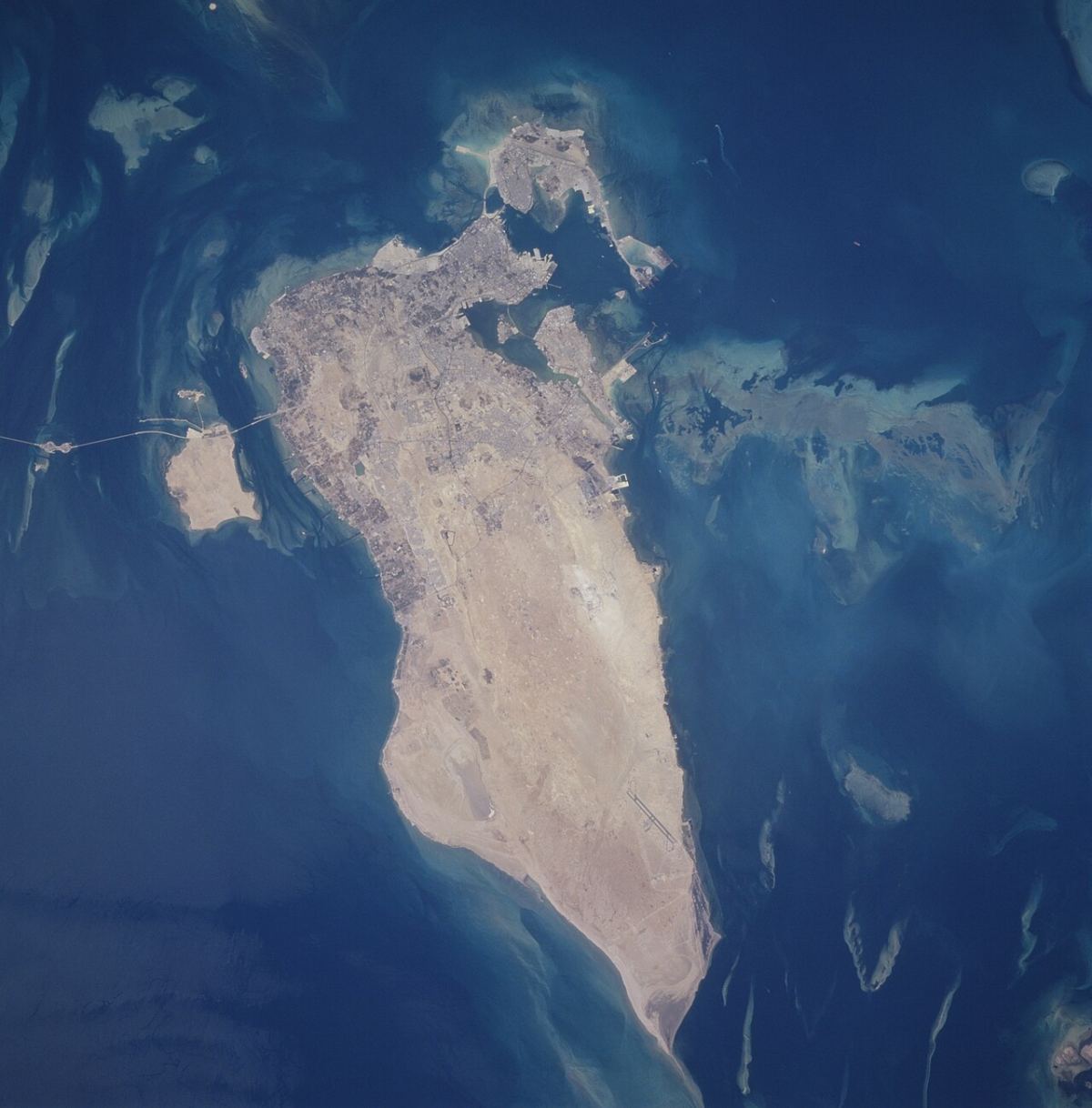
Bahrain said on Sunday, November 15, that its air defenses had intercepted and destroyed Iranian aerial attacks before they reached their targets. The announcement followed threat alerts issued to the public by the Interior Ministry and a claim by Iran's Revolutionary Guard that it had sent six drones toward a US radar at a base in the country.
The Bahrain Defense Force did not say how many aircraft it had brought down. Its statement, carried by the local newspaper Al Bilad, said the attacks were stopped before reaching their targets. The Foreign Ministry said the drones had been destroyed in the kingdom's airspace and condemned what it called a renewed violation of its sovereignty.
Iran's account is more specific, but it remains unverified. In a statement reported by Iranian state media, the Revolutionary Guard said six drones had been sent against a US air-defense radar at the Al Riffa helicopter base. At the time of publication, there was no independent confirmation of damage to the installation, and US Central Command had not responded to the claim concerning Sunday's attack.
Two attacks in three days
The incident came two days after another attempted attack on Bahrain. On Friday, November 13, US Central Command said it had intercepted two Iranian drones headed toward the country and reported no injuries or damage. Iran claimed at the time that it had destroyed a US radar; Washington denied that account. Friday's statement does not establish what happened on Sunday, which was a separate incident.
Bahrain's Foreign Ministry explicitly linked the two incidents and held Iran responsible for the attacks. Sunday's Interior Ministry alerts told citizens and residents to follow official information and seek a safe place while the threat lasted. Those directions were issued during the incident; the authorities should be consulted for any alert that remains in effect.
The significance extends beyond a dispute over a radar. Bahrain hosts US military facilities and sits in the Persian Gulf, where the war between the United States and Iran has also put neighboring states at risk. The evidence currently establishes that Iranian aerial attacks occurred and that Bahrain says it intercepted them. It does not establish that the target identified by Tehran was damaged.