Renovación Popular tops Lima vote count, but López Aliaga cannot take mayor's office
The party won 27.685% of valid votes against 26.811% for Avanza País. Peru's electoral tribunal says the former mayor cannot return to the post in the immediately following term; the formal proclamation is still pending.
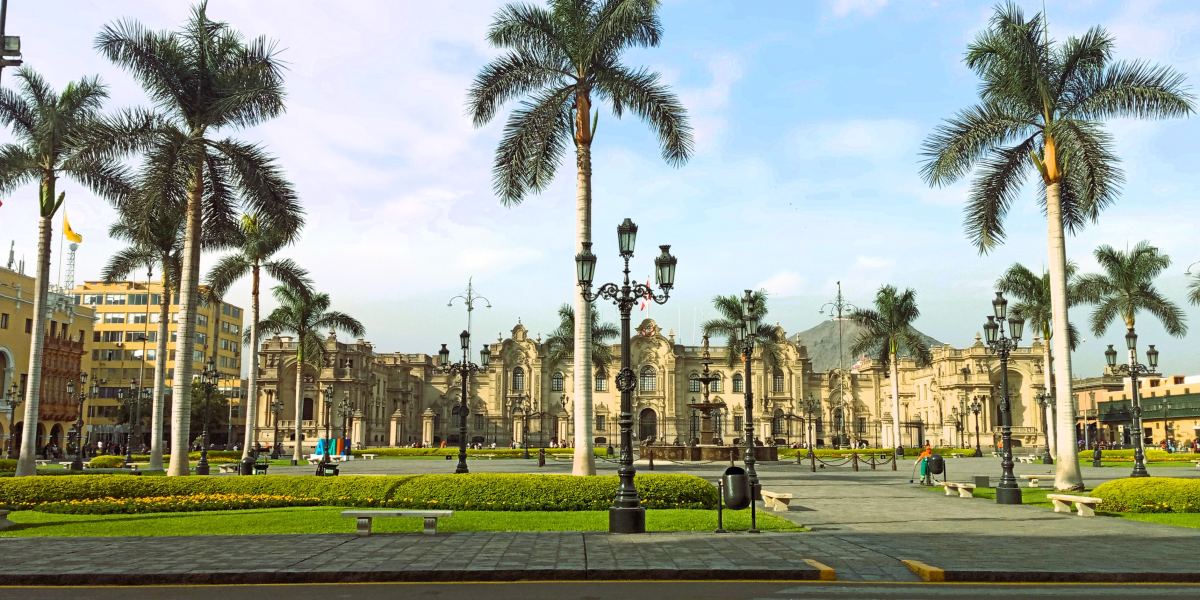
More than a month after Lima voted on October 4, Peru's electoral office has finished counting the ballots in the capital's mayoral election. Renovación Popular came first with 1,554,928 votes, or 27.685% of valid ballots. Avanza País, whose mayoral candidate was Francis Allison, received 1,505,835 votes, or 26.811%. The gap was 49,093 votes.
The tally establishes which party won the vote, but it does not by itself settle who will lead Lima from 2027 through 2030. Renovación Popular went into the election without a mayoral candidate after Luis Rubio withdrew. Party leader Rafael López Aliaga, who served as Lima's mayor from 2023 to 2025, headed its list of council candidates.
Peru's electoral tribunal, the Jurado Nacional de Elecciones (JNE), ruled this month that a former mayor cannot use the first seat on a council list to return to the mayor's office during the immediately following term. Its decision applies the constitutional ban on consecutive mayoral terms even when a vacancy arises because the mayoral candidate withdraws. Under that ruling, López Aliaga may serve on the council, but he cannot receive the credentials to serve again as mayor.
The next eligible person on the party list is Jeanette Evangelina Alonzo Contreras. If the Lima electoral jury applies the ruling when it formally proclaims the results, the second council candidate would take office as mayor. The electoral office, ONPE, counts the votes; the electoral jury proclaims the winners and issues their credentials. A completed count is therefore not the same as a completed transfer of office.
A close finish after 26,351 polling records
ONPE counted all 26,351 polling-station records in Lima, including those that had been challenged and then resolved by electoral authorities. Somos Perú, whose candidate was Carlos Bruce, finished third with 847,409 votes, or 15.088% of valid ballots. There is no runoff in a municipal election; Peru's public news agency Andina notes that runoffs apply to regional contests.
The margin between the two leading lists was less than one percentage point, making the remaining disputed records consequential until the count closed. The next question concerns the succession rule rather than the arithmetic. The JNE has said that the first council candidate may become mayor only if legally eligible; otherwise, the next eligible person on the same list takes that place.
The count puts Renovación Popular in line to govern the city, subject to formal proclamation. It does not put López Aliaga back in the mayor's office. Lima's voters now await the electoral decision identifying who will receive the credentials to lead the capital starting in January 2027.