White House announces Trump-Xi-Putin meeting in China, but Beijing has yet to confirm it
Washington says the three leaders are due to meet on November 19 during the APEC summit in Shenzhen. The United States wants nuclear arms control on the agenda; a U.S. official said Ukraine would be handled through a separate diplomatic channel.
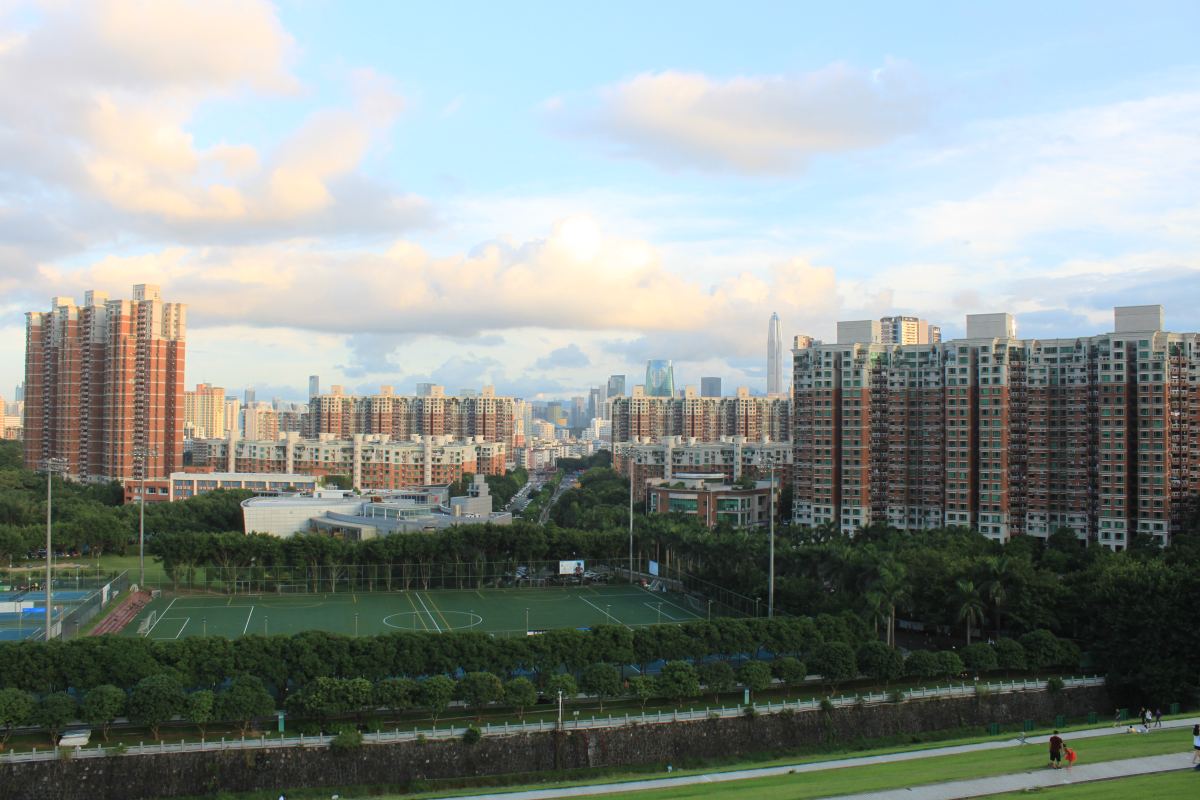
The White House said Friday that Donald Trump, Xi Jinping and Vladimir Putin plan to meet on Thursday, November 19, in Shenzhen on the sidelines of the Asia-Pacific Economic Cooperation summit. It would be an extraordinary gathering of the leaders of the three leading nuclear powers. Yet the meeting has not been confirmed by all three governments: China’s Foreign Ministry said the same day that it remained in contact with the other parties and would release further information when available.
The distinction matters. Washington has announced a date and an intended agenda, while Beijing, the summit host, has described talks over the meeting as ongoing. At the time of this report, China had not issued a public statement confirming that the three-way meeting was settled. It is a White House plan, with its final arrangements still subject to what the participating governments announce.
White House spokeswoman Olivia Wales told reporters that Trump intends to discuss worldwide reductions in nuclear weapons, Reuters reported. A senior U.S. official said no immediate agreement is expected and framed the gathering as a possible start to further negotiations. The negotiating positions remain far apart: the United States and Russia hold much larger arsenals than China, which has long resisted joining disarmament talks originally designed for the two larger nuclear powers.
The timing adds urgency to the arms-control question. New START, the last treaty limiting deployed strategic nuclear weapons held by the United States and Russia, expired in February 2026. Trump has called for a replacement that includes China. Washington’s wish to open that discussion does not mean Beijing and Moscow have agreed to negotiate cuts, much less that a draft deal exists.
Ukraine, meanwhile, is absent from the three-way agenda described by Washington. A U.S. official cited by Reuters and The Associated Press said Trump expects to discuss the U.S.-Israeli war with Iran, while talks concerning Russia’s invasion of Ukraine would remain on a separate track. That is the U.S. delegation’s stated expectation, not a public agreement limiting everything the leaders might discuss if they meet. For Kyiv and its European allies, the concern is whether any U.S.-Russia dialogue could shape a war in which Ukraine insists on having a voice in decisions about its future.
The proposed meeting could overshadow APEC’s economic agenda, which brings together 21 economies. China says it hopes for progress on trade, connectivity, the digital economy and artificial intelligence. A photograph of the three leaders together in Shenzhen would carry diplomatic weight. The substance will depend on whether the meeting is finalized, what each side is prepared to discuss and what follows. For now, the confirmed development is the White House announcement and Beijing’s more cautious response.