Mexico captures “El Chapo Isidro”; operation leaves 11 dead
Mexico and the United States confirmed Fausto Isidro Meza Flores’s arrest in Guasave on Saturday. Mexico’s Defense Ministry reported four soldiers and seven suspected gunmen killed, with eight people arrested.
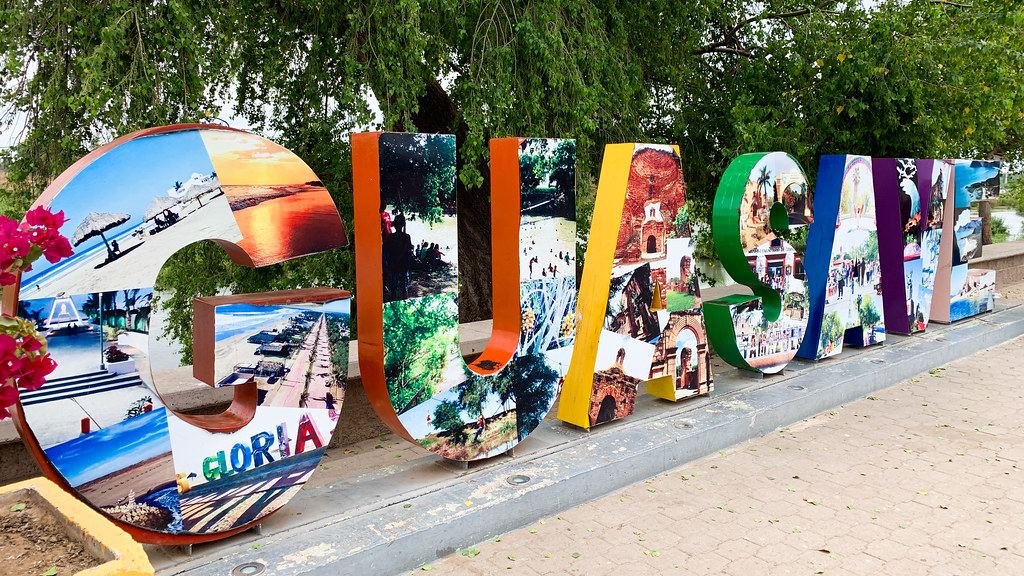
Mexican forces arrested Fausto Isidro Meza Flores, known as “El Chapo Isidro” and wanted by the FBI, in an operation that began on Friday night, November 20, in Guasave, Sinaloa. Mexican and U.S. authorities confirmed his capture on Saturday, following a night of armed clashes, roadblocks and vehicle fires in the northwestern Mexican state.
Mexico's Defense Ministry reported 11 deaths: four military personnel and seven suspected members of a criminal group. Its Saturday account put the total number arrested at eight. Meza Flores, 44, was transferred to Mexico City while federal security forces remained deployed in Sinaloa. The announcement followed an operation that disrupted movement and left residents sheltering from gunfire.
The U.S. Justice Department said the Mexican military captured him with support from an investigation by the Homeland Security Task Force, or HSTF. The U.S. role described by the two governments involved cooperation and intelligence. Their accounts identify Mexican forces as carrying out the operation on the ground, while U.S. agencies supported the investigation leading to the arrest.
Arrests followed by clashes and roadblocks
The Defense Ministry said Army and National Guard special forces took part, working with military personnel assigned to security duties in Sinaloa. The Mexican statement identified Meza Flores as the head of the Beltrán Leyva organization and an ally of “Los Mayos,” a faction of the Sinaloa Cartel, which Mexican authorities also call the Pacific Cartel.
Authorities also reported arresting Germán, known as “Serafín,” whom they identified as the second-in-command, and José, an alleged financial operator. The Justice Department separately confirmed the arrest of German Rolando Galvez Meza, also known as “El Serafin.” The three principal detainees were flown to Mexico City to be handed over to prosecutors and other authorities handling the case.
According to the Defense Ministry, troops established a perimeter around the building where Meza Flores was located and came under gunfire and attacks with explosives. The ministry reported subsequent roadblocks in Ahome, Guamúchil, Guasave and Navolato, and measures to restore traffic. The disruption therefore extended to several parts of Sinaloa beyond the immediate location of the arrest itself.
Residents interviewed by The Associated Press described hours of fear amid gunfire and fires. A firefighter told the agency that crews sheltered at their station overnight and went out on Saturday to inspect affected locations. AP also reported that burned vehicles continued to obstruct roads after the fighting, documenting some of the consequences for people living and traveling in the area.
The charges in the United States
The Justice Department's statement describes a six-count indictment filed in the District of Columbia. The charges include leading a continuing criminal enterprise, conspiracy to manufacture and distribute drugs for importation into the United States, international money laundering conspiracy, conspiracy to provide material support to a terrorist organization, narcoterrorism and firearms offenses involving weapons including machine guns and destructive devices.
Prosecutors said the latest indictment, which replaces and expands an earlier one, was returned on September 25. They allege that Meza Flores controlled gunmen and territory in Guasave, Los Mochis and mountainous parts of Sinaloa to produce and distribute drugs. The substances listed in the announcement include cocaine, methamphetamine, heroin, marijuana and fentanyl, intended for the U.S. market.
Those allegations must be proved through the criminal process. An indictment approved by a grand jury brings formal charges; it is not a conviction. Federal courts' guidance for jurors explains that the government bears the burden of proving guilt beyond a reasonable doubt and that a defendant is presumed innocent. The arrest does not resolve the allegations set out by prosecutors.
The Justice Department said prosecutors in the Southern District of California and its Money Laundering, Narcotics and Forfeiture Section are handling the case. The investigation involved FBI offices in Washington and San Diego and Homeland Security Investigations, or HSI, with assistance from other federal agencies. The arrest announcement does not set a date for Meza Flores's extradition to the United States.
A pursuit that predates the FBI's most-wanted campaign
The FBI added Meza Flores to its Ten Most Wanted Fugitives list on February 4, 2025. It updated that announcement on Saturday to confirm his capture on November 20. The State Department's reward offer was for up to $5 million, tied to information leading to his arrest or conviction. It formed part of a public effort to locate him.
The federal case dates back further. According to the FBI, the first indictment against Meza Flores was filed on May 2, 2012. A grand jury returned a superseding indictment on November 26, 2019, involving drug trafficking and firearms charges. That case described an alleged conspiracy to manufacture and distribute drugs in the United States between 2005 and 2019.
There is also a long history of financial enforcement. On January 17, 2013, the Treasury Department's Office of Foreign Assets Control announced sanctions against the Meza Flores organization, its leader, relatives and three businesses in Guasave. Treasury identified a grain transportation company, a gas station and a construction company as businesses that it said helped facilitate the group's operations.
The measure sought to prohibit transactions by U.S. persons with those designated and freeze assets under U.S. jurisdiction. Treasury's 2013 statement then described the group as a rival of the Sinaloa Cartel. Saturday's Mexican account links it to Beltrán Leyva and “Los Mayos,” a faction of that cartel, describing a later stage in the relationships among the criminal groups.
Residents' safety after the operation
Mexican Security Secretary Omar García Harfuch expressed condolences on Saturday for the soldiers who died. He also said federal security institutions would remain deployed in Sinaloa to protect the public. Restoring traffic and securing neighborhoods were among the immediate tasks following the detainees' removal, after the confrontation had affected residents well beyond the building where the arrest took place.
The violence also prompted a U.S. consular notice. TravelGov, the State Department's travel information account, said on Saturday that the U.S. Consulate General in Hermosillo was monitoring reports of security operations, armed clashes, roadblocks and vehicle fires in Ahome, Guamúchil, Guasave and Navolato following Meza Flores's arrest. The notice described disruption across several locations in the state.
Officials in both countries welcomed the operation as a result of bilateral cooperation. Mexican security analyst David Saucedo, however, told AP that arresting leaders without dismantling their networks of gunmen, businesses and connections can leave parts of an organization intact. He also warned about the power struggles that can follow such arrests, as other figures compete for control of the groups.
Meza Flores's arrest ends a years-long search. Guasave's residents are also dealing with the aftermath of fighting in their city. Prosecutors and courts will handle the next stages of the case. Daily safety will also depend on what happens to the networks remaining in the region and on the security deployment announced to protect the people living there.