Spain votes in November 29 general election, with first results due at 9 p.m.
All 61,033 polling stations were set up, the government said. Spain will report turnout at 2:30 p.m. and 6:30 p.m. Madrid time.
Updated November 29, 2026, at 11:14 in Madrid, 05:14 in New York and 19:14 in Japan.
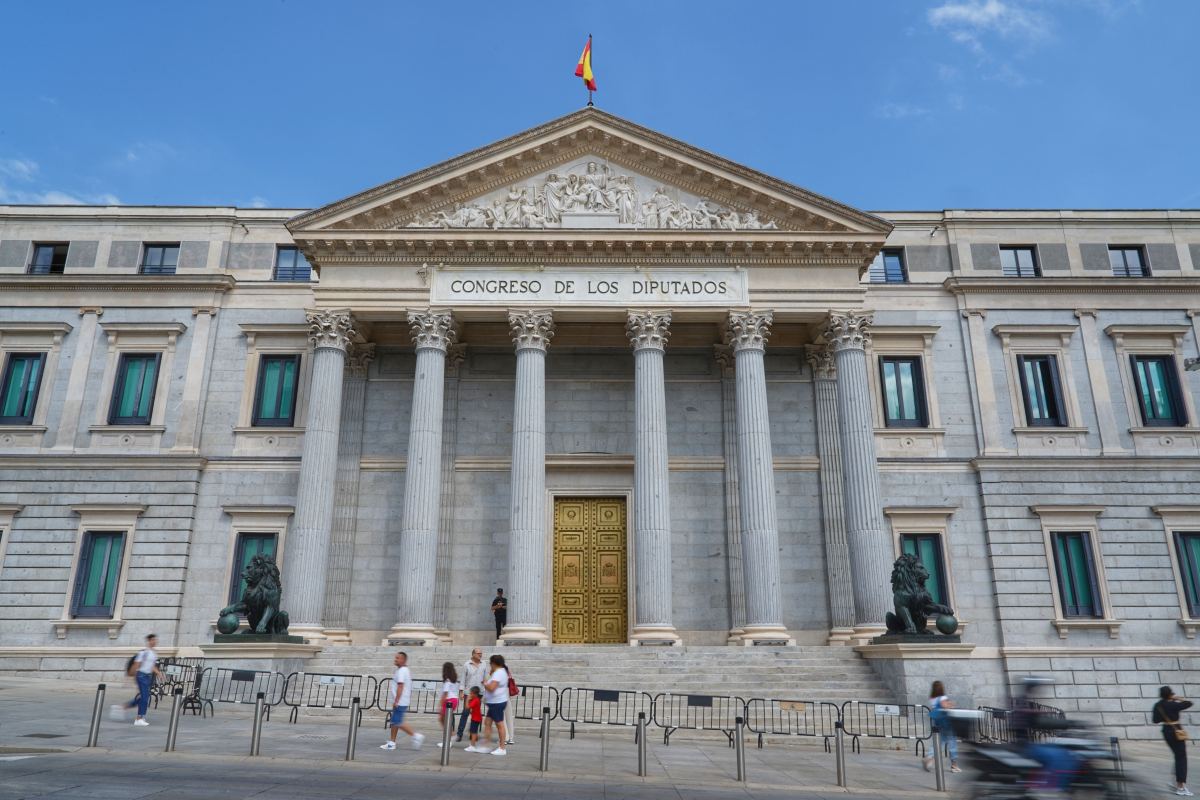
Spain is voting in a general election on Sunday, November 29, to renew its Congress of Deputies and the directly elected seats in the Senate. The government said in its first briefing that all 61,033 polling stations were staffed and operating. The Interior Ministry will release its first turnout figures at 2:30 p.m. and begin publishing provisional results at 9 p.m. Madrid time, once polls close in the Canary Islands.
Prime Minister Pedro Sánchez, standing for reelection as the Socialist Party candidate, voted shortly after 9 a.m. at the Nuestra Señora del Buen Consejo school in western Madrid. Alberto Núñez Feijóo, leader of the opposition Popular Party, voted later in the morning at the Ramiro de Maeztu school in the capital. Housing affordability, the economy and public services were among the issues in the campaign. Sánchez and Feijóo took part in a televised debate on Thursday with Vox leader Santiago Abascal and Ada Colau of the Broad Front alliance.
In its opening update, the government said the first polling station to be set up had been at the municipal sports center in Burriana, in the eastern province of Castellón. The Interior Ministry counts 22,493 polling places and 38,616,949 eligible voters. Of those, 35,953,542 live in Spain and 2,663,407 live abroad. The ministry says 1,615,034 people are eligible to vote in a Spanish general election for the first time.
When Spain will report turnout and results
Polls opened at 9 a.m. and close at 8 p.m. local time across the country. The Canary Islands are an hour behind mainland Spain, which means the final polling stations close at 9 p.m. Madrid time. The government will hold two afternoon briefings on turnout and plans to give an update on the provisional results later in the evening, depending on how far the count has progressed.
| Election milestone | Madrid | New York | Japan |
|---|---|---|---|
| First turnout report, covering voting through 2 p.m. in Madrid | Nov. 29, 2:30 p.m. | Nov. 29, 8:30 a.m. | Nov. 29, 10:30 p.m. |
| Second turnout report, covering voting through 6 p.m. in Madrid | Nov. 29, 6:30 p.m. | Nov. 29, 12:30 p.m. | Nov. 30, 2:30 a.m. |
| Polls close in mainland Spain, the Balearic Islands, Ceuta and Melilla | Nov. 29, 8 p.m. | Nov. 29, 2 p.m. | Nov. 30, 4 a.m. |
| Canary Islands polls close and provisional results start to appear | Nov. 29, 9 p.m. | Nov. 29, 3 p.m. | Nov. 30, 5 a.m. |
| Provisional results briefing, depending on the progress of the count | Nov. 29, about 10:30 p.m. | Nov. 29, about 4:30 p.m. | Nov. 30, about 6:30 a.m. |
The Interior Ministry’s election website and Elecciones Generales 29N app will show turnout alongside the figures reported at the same times in the July 2023 general election. The ministry will publish separate tallies for the Congress and Senate as reports arrive from polling stations. Interior Minister Fernando Grande-Marlaska and government spokesperson Elma Saiz are due to present the provisional results at the evening briefing.
How the seats are awarded
The lower house has 350 seats. Voters choose a party or coalition list in their constituency, and the seats are allocated on the basis of votes cast in that constituency. The law gives each province a minimum number of seats and distributes the rest by population, with one seat each for the autonomous cities of Ceuta and Melilla. How a party performs in each district therefore shapes its national seat total.
Under the election decree, Madrid elects 38 deputies and Barcelona elects 32. Constituencies that elect several deputies use the D’Hondt formula, which ranks a series of quotients calculated from each list’s votes. A list needs at least 3 percent of valid votes in its constituency to enter the allocation. The number of seats available in a district and the distribution of votes among its qualifying lists determine where the final seat goes.
For the Senate, voters mark individual names on the ballot, with the maximum number of choices depending on the constituency. Each mainland province elects four senators, while Mallorca, Gran Canaria and Tenerife each elect three. Ceuta and Melilla each elect two. In all, 209 senators are chosen by voters in the general election. Regional legislatures appoint the other senators.
From the election-night count to official certification
Once voting ends, polling station officials add domestic postal ballots that have arrived in accordance with election rules. Correos, Spain’s postal operator, said on Friday that it had accepted 1,012,033 mailed ballots, equivalent to 92.03 percent of approved applications to vote by mail. Poll workers then cast their own ballots and begin the count, which is open to the public. Congress ballots are counted first, followed by those for the Senate.
Each polling station produces a record of the count. The figures released on election night come from those returns as they reach the national data center. In a close race, the last seat in a constituency can change hands as more municipalities report.
The formal count by the provincial electoral boards is scheduled to run from December 4 through 7. That is when votes from Spain’s permanent overseas residents on the relevant register are added. The boards check polling station records and handle eligible challenges before certifying the winning candidates. In districts where the final seat is closely contested, the overseas ballots can affect who takes it.
The 176 votes needed in Congress
Sánchez announced the early election on October 5. The decree dissolved the parliament elected in July 2023 and set the opening sessions of the two new chambers for December 23 at 10 a.m. Madrid time. The distribution of the 350 seats in Congress will shape the negotiations over who can form the next government.
Once the new Congress is in place, the king consults parliamentary groups and proposes a candidate for prime minister. A candidate needs 176 votes, an absolute majority, on the first ballot. If the candidate falls short, the constitution calls for another vote 48 hours later. At that stage, a candidate needs more votes in favor than against.