Black Friday online sales hit a record $13.1 billion in the U.S.
Adobe measured an 11.1% jump in online spending. Store sales also rose, and Adobe expects Cyber Monday to set a new record.
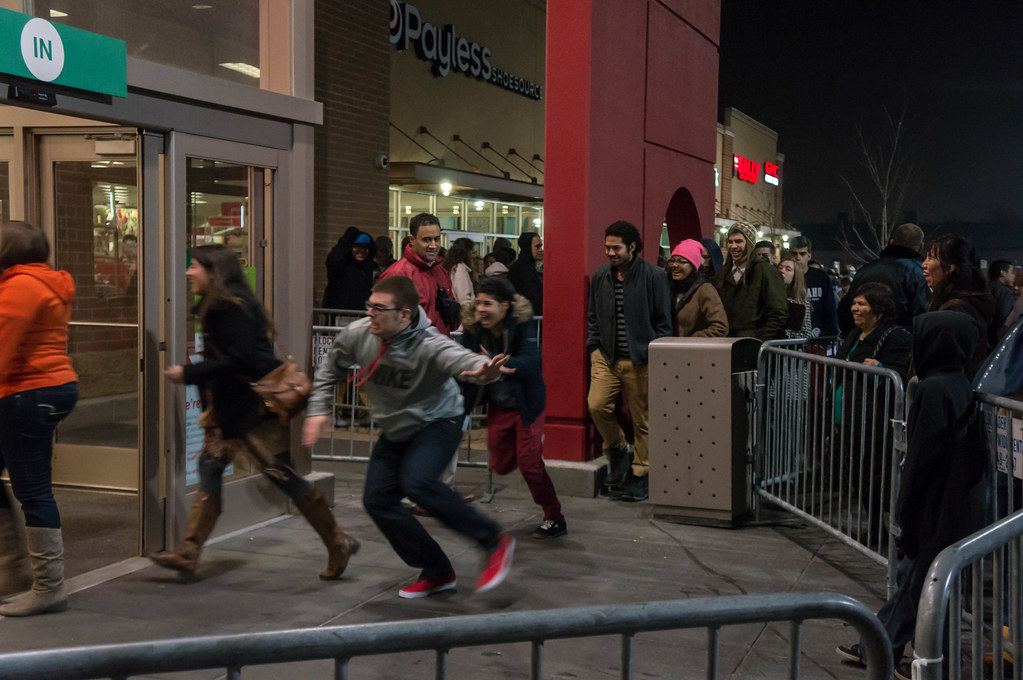
Americans spent a record $13.1 billion online on Black Friday, up 11.1% from a year earlier, according to Adobe Analytics. The tally for Nov. 27 passed the company’s September forecast of $12.9 billion. Shoppers bought video games, headphones and toys, and used the same round of discounts to replenish household supplies. On Thanksgiving Day, they had already spent $7.1 billion online.
The first sales estimates released on Saturday also showed gains at the register. Mastercard SpendingPulse put overall U.S. retail sales growth at 5.8% from the previous Black Friday, excluding gasoline and automobiles. Spending rose 13.4% online and 3.8% in stores in its preliminary figures, which cover all forms of payment and are measured before adjusting for inflation.
The Friday results put the focus on Cyber Monday, Nov. 30. Adobe expects $15.1 billion in U.S. online sales that day, up 6.2% from last year. That would eclipse Friday’s record and cap five days during which many retailers run overlapping promotions. For companies that need to deliver gifts by Christmas, the calendar will soon shift from the size of a discount to the last day an order can arrive on time.
Store sales rose as visits fell
Two companies that track foot traffic reported quieter stores than on Black Friday 2025. RetailNext’s initial count was down 2.9%, and Sensormatic Solutions reported a 4.2% decline, according to the Associated Press. Customers still turned out in far greater numbers than on an ordinary Friday. Sensormatic counted about three and a half times as many visits as on the Friday a week earlier.
Mastercard recorded the strongest Black Friday growth in store spending since 2022. Its estimate captures what shoppers paid, while the traffic monitors count trips through the door. Several factors could account for the gap, including prices, the mix of goods shoppers bought and how often a visit ended in a purchase.
The lift in online spending was also measured independently. Adobe Analytics tracks activity on U.S. retail websites, drawing on data across 18 product categories for its holiday forecast. SpendingPulse follows a separate measure of retail spending that includes both e-commerce and purchases at physical stores. The two reported growth rates show that online spending climbed sharply in both sets of data, with each percentage tied to its own coverage.
Consoles, clothes and cleaning supplies
Electronics and software stood out in Mastercard’s preliminary breakdown, up 7.9% from Black Friday 2025. Clothing sales rose 4.4%, and jewelry spending increased 4.6%. Some of the technology spending had come even earlier. Mastercard counted a 19.2% increase in electronics and software spending on Thanksgiving Day compared with the holiday a year earlier.
Adobe’s figures, reported by Reuters and the AP, point to demand for game consoles and software, headphones and other consumer electronics. The same reports show shoppers using promotions for pet supplies, personal care and household cleaning products. The mix reflects how the same sale can cover a gift for December and supplies a family might otherwise restock over the next few weeks.
Adobe also found growing use of AI services as a route to shopping sites. On Thanksgiving, referrals from those services rose 163% from a year earlier. Adobe tracks those visits alongside traffic from other channels, such as search and social media.
The prices behind the receipts
The advance figures come at a time when everyday expenses are rising. The Bureau of Labor Statistics reported that the consumer price index rose 0.4% in October from September, seasonally adjusted. Grocery prices rose by the same amount, while the overall energy index rose 0.7%. Those monthly figures cover different goods and a different period from the Black Friday reports, including expenses that are outside the day’s retail tallies.
The National Retail Federation expects sales during November and December to reach about $1.013 trillion, up 4.2% from 2025, in a forecast published in October that excludes auto dealers, gasoline stations and restaurants. Its chief economist, Mark Mathews, pointed to rising prices and strain on household budgets as factors likely to affect spending differently across income groups. The two-month forecast will also reflect the shopping still ahead in December.
Retailers started competing for those purchases early. In a survey conducted for the federation by Prosper Insights & Analytics, 60% of respondents had started holiday shopping by the beginning of November. The survey estimated that 182.7 million people planned to shop over the five days from Thanksgiving to Cyber Monday. That was an advance measure of intentions. Last year, the federation’s post-weekend survey counted 202.9 million shoppers after its advance survey had put planned participation at 186.9 million.
The next test comes Monday
Adobe expects the five days through Cyber Monday to bring in about $47.5 billion online in the U.S., according to Reuters. Monday alone would account for nearly a third of that projected total. Adobe also projects $1.09 billion of Monday’s spending will use buy now, pay later services, under which shoppers can split purchases into installments. Its September forecast put the deepest discounts on computers and electronics on Cyber Monday, with TVs and toys expected to see their biggest reductions on Black Friday.
After the Monday offers, delivery dates will increasingly guide the choice between the checkout page and the store. Michelle Meyer, chief economist at the Mastercard Economics Institute, expects activity to gather around the last days to ship gifts, followed by a final push in physical stores. The holiday season’s early sales figures already show both channels expanding. December will reveal how much spending was pulled forward into the Thanksgiving offers and how much retailers still have to compete for closer to Christmas.