United Fidelity Bank closed by regulators; First Citizens takes over 22 branches
The Indiana lender had $5.9 billion in assets. Transferred accounts remain accessible, although certain deposits placed through brokers are excluded from the agreement.
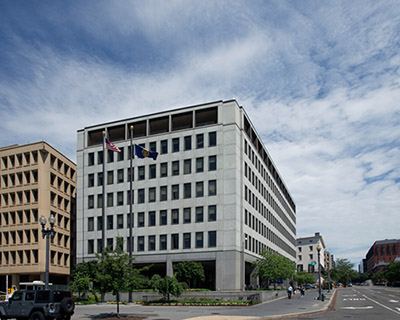
US regulators closed United Fidelity Bank of Evansville, Indiana, on Friday, November 27, and arranged for most of its deposits and assets to move to First Citizens Bank. The transaction covers 22 branches and is intended to keep customers’ money accessible while the failed bank is wound down.
The Office of the Comptroller of the Currency, or OCC, said the bank was in an unsafe or unsound condition and was likely to be unable to meet its obligations or depositors’ demands in the normal course of business. It appointed the Federal Deposit Insurance Corporation, the FDIC, as receiver to handle the resolution.
United Fidelity had about $5.9 billion in assets and $5.4 billion in deposits as of September 30. Reuters and CNN identified the closure as the largest US bank failure since Republic Bank failed in April 2024. It is also the seventh institution on the FDIC’s failed-bank list for 2026.
What changes for customers this weekend
Transferred accounts automatically become accounts at First Citizens, which is based in Raleigh, North Carolina. The FDIC says their holders retain their full balances and deposit insurance coverage. They can continue writing checks and using ATMs and debit cards over the weekend without opening a new account to receive their money.
Branches that normally have Saturday hours will open on November 28; the remaining locations will open on Monday, November 30. The network comprises 20 branches in Indiana, Illinois, Colorado and Florida, plus two in the US Virgin Islands operating as Bank of St. Croix, a division of United Fidelity.
First Citizens said there would be no immediate changes to current accounts. Customers can continue using their existing websites, mobile apps and branches. A conversion to First Citizens’ banking systems will happen later. The FDIC says customers should keep using their former United Fidelity branches until they are told that other First Citizens locations can also service those accounts.
Account and routing numbers remain unchanged until the new bank provides written notice. Direct deposits, including paychecks and Social Security benefits, will continue. Outstanding checks will be paid against the available account balance.
The exception for deposits placed through brokers
The agreement does not cover every deposit. The FDIC’s customer information excludes certain brokered accounts and specifically identifies Cede & Co. deposits. Anyone holding a United Fidelity deposit through a broker should contact that firm about how the account will be handled.
First Citizens estimates it will assume $4.5 billion in deposits. That figure and United Fidelity’s $5.4 billion deposit total at the end of September describe different amounts and scopes. The difference does not, by itself, establish a loss for customers or a confirmed amount withdrawn before the bank closed.
Transferred deposits will remain separately insured from accounts a customer already had at First Citizens for at least six months. Combining the two banking relationships therefore does not immediately require those balances to be treated as a single pool for insurance purposes.
The FDIC’s standard coverage is $250,000 per depositor, per insured bank, per ownership category. The last condition distinguishes, for example, single and joint accounts. Having several account numbers within one ownership category does not automatically multiply the insurance limit.
A $2.6 billion discount on the purchase
First Citizens said the agreement covers $5.9 billion in assets and $3.1 billion in loans, based on United Fidelity’s September 30 balances. Those amounts are estimates and remain subject to the final closing balance sheet and subsequent adjustments with the FDIC.
The buyer was selected through a competitive bidding process. Its winning bid included an asset discount of about $2.6 billion and no deposit premium. The discount is part of the transaction’s pricing; it is not an announced reduction in the balances of transferred customer accounts.
The purchase also includes United Fidelity subsidiaries, among them real estate developer and manager Pedcor Homes Corporation. The OCC’s announcement sets out the grounds for intervention but does not provide a breakdown of the transactions or losses that brought the bank to that point.
The FDIC estimates the failure will cost the Deposit Insurance Fund $1.83 billion. That is the projected cost of resolving the bank, rather than an amount to be deducted from customers’ accounts. The fund is financed mainly by premiums paid by insured institutions and interest on investments in US government debt.
Loans and repayments remain in place
The closure does not cancel borrowers’ debts. The FDIC says regular payments should continue, including amounts held for taxes and insurance, and that loan terms do not change because of the transfer. Customers with a loan application in progress or a line of credit should contact their loan officer.
Access to safe-deposit boxes will also continue during normal branch hours. Customers will be notified of future service changes. First Citizens will review deposit interest rates and notify customers of any adjustments; the initial continuity of accounts does not mean that every term will remain unchanged indefinitely.
Where to ask questions about the closure
The FDIC has established a call center at 1-866-431-1725 for questions about this bank failure. It will operate on Saturday, November 28, from 9 a.m. to 5 p.m. Central Time; on Sunday, November 29, from noon to 4 p.m.; and on Monday, November 30, from 8 a.m. to 5 p.m., also Central Time.
The agency warns that it will not seek private information through messages about the closure. Its official information distinguishes among depositors, borrowers, suppliers with unpaid invoices and shareholders. United Fidelity’s owner, Fidelity Federal Bancorp, is not part of the bank’s receivership, and shareholders should contact that company.
For most customers, the immediate change will therefore be the institution responsible for their accounts. The later systems-conversion timetable and notices about individual services will determine how the transition to First Citizens is completed.