Steve Fahey emerges for Texas judgeship after Cornyn blocks Trump’s pick
The Judiciary Committee has received partial materials for the Fort Worth lawyer as Republicans face a narrowing confirmation window.
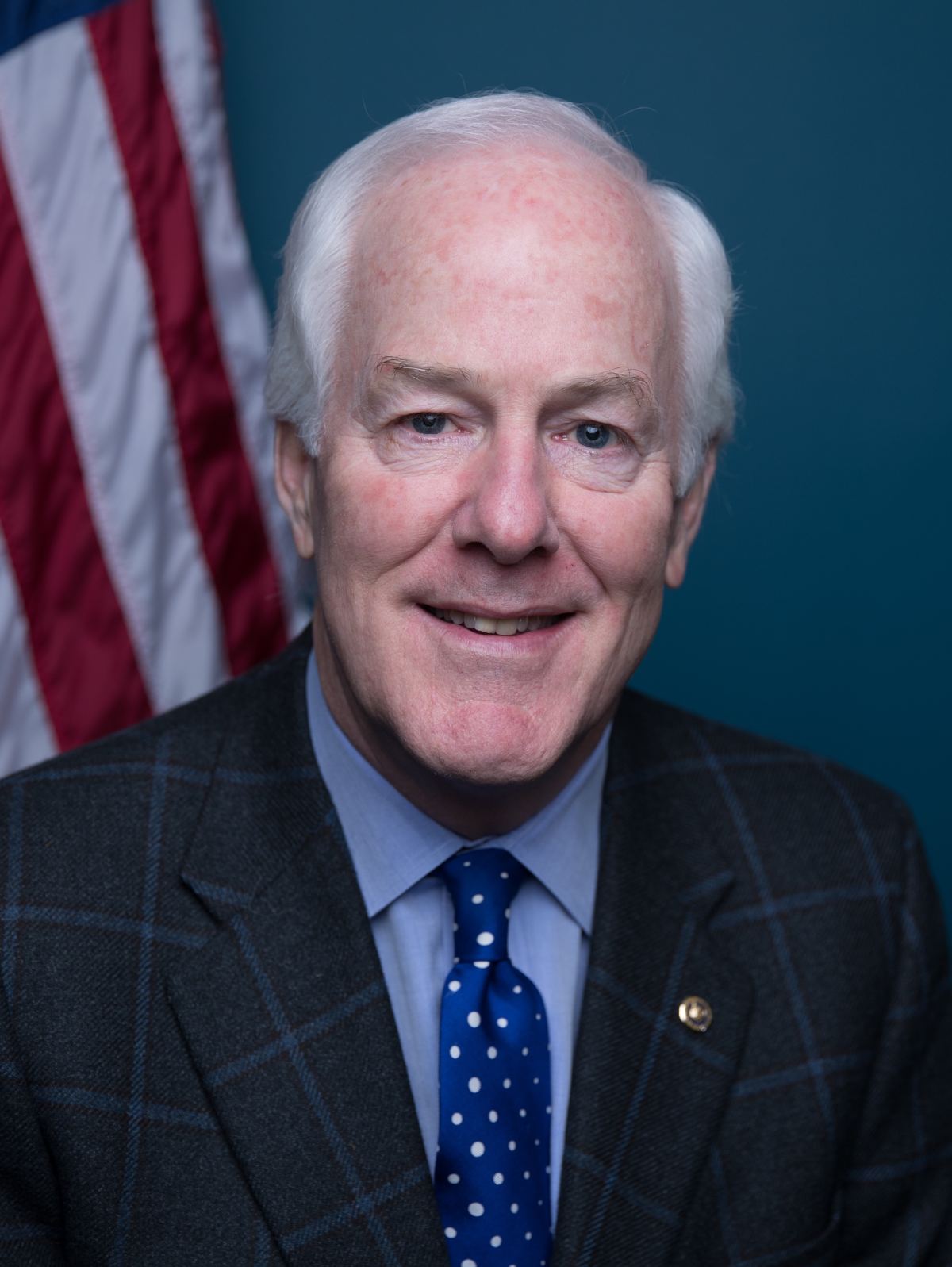
Steve Fahey has emerged as a possible candidate for a federal judgeship in Texas after Republican Senator John Cornyn blocked President Donald Trump’s original choice. The Senate Judiciary Committee said on Wednesday, November 25, that it had received partial materials for Fahey, opening a possible route around the impasse without settling who will fill the seat.
The vacancy is on the US District Court for the Northern District of Texas and has been open since October 2025, according to the committee. The dispute pits the White House against a senator from the president’s own party as Republicans face a shrinking window to confirm judges before control of the Senate changes in January.
Committee chairman Chuck Grassley said he would consult colleagues to determine whether a path to confirmation exists before the end of the year. The same announcement disclosed partial materials for Jim O’Neill, a potential candidate for a vacancy in the Middle District of North Carolina.
Cornyn’s objection put the original choice on hold
Trump had selected T. Elliot Gaiser, who heads the Justice Department’s Office of Legal Counsel, for the Texas seat. Cornyn declined to return the approval form that allows district court nominees to advance under the Judiciary Committee’s current practice. His refusal stalled the nomination.
Reuters reported that Cornyn objected to Gaiser’s ties to Texas and what he considered inadequate vetting for a lifetime appointment. Texas’s other Republican senator, Ted Cruz, supported Gaiser. The disagreement illustrates how backing from the president and one home-state senator can still leave a district court candidate unable to move through the committee.
Cornyn has focused his objection on the selection process and consultation with the state’s senators. His intervention has kept the president’s choice on hold, while Fahey’s emergence offers a possible way past the dispute within the Republican Party.
Fahey and Gaiser bring different federal experience
Fahey practices law in Fort Worth. His firm describes almost two decades as a federal prosecutor in the Northern District of Texas, where he led both the criminal and civil divisions and served as acting first assistant US attorney. Before opening his own practice, he was a partner in Kirkland & Ellis’s Dallas office, according to his professional résumé.
His background includes federal investigations and litigation, areas central to a district court’s daily work. The résumé lists a law degree from the University of Texas and a history degree from the University of Chicago, as well as a clerkship for federal judge Eldon B. Mahon in Fort Worth.
Gaiser leads the office that provides legal advice to the executive branch. His official Justice Department biography says the Senate confirmed him for that position on July 30, 2025. He previously served as Ohio’s solicitor general and clerked for Supreme Court Justice Samuel Alito and two federal appeals court judges.
Confirmation to an executive branch position does not automatically give an official a judicial seat. Appointment to the federal bench requires a separate nomination and Senate consent, even when the candidate already holds a job that needed Senate approval. The two processes concern different responsibilities and offices.
Why a blue form carries so much weight
The procedure Cornyn used is known as the blue slip, named for the form sent to a nominee’s home-state senators. It gives them an opportunity to indicate support or opposition. Withholding the form signals that the nominee does not have a senator’s backing.
The Congressional Research Service explains that the practice is not codified in the Judiciary Committee’s written rules. Its operation depends on the chairman’s policy, which has varied over time. The effect of a withheld slip therefore has to be understood within the policy for the particular kind of nomination, rather than as a separate constitutional veto.
Grassley defended the practice for district court nominees in June, arguing that it encourages cooperation between the White House and home-state senators. The Senate dates the procedure to 1917, as part of a longer tradition of consulting senators about judges who would serve in their states.
For the Texas vacancy, its practical effect has been unmistakable: Cornyn’s refusal prevented Gaiser from advancing. Receiving documents for Fahey changes the available options but does not dispense with the remaining stages of the appointment process.
Republicans are running short of time
The political timetable adds urgency. Democrats will take control of the Senate on January 3 following the November elections, Reuters reported. The administration is seeking to complete as many confirmations as possible while Republicans still hold the majority.
The Judiciary Committee said the Senate has confirmed 61 Article III judges during this Congress. Wednesday’s statement also listed five other judicial nominees awaiting floor votes and said the committee planned votes on thirteen additional nominations in early December. That broader schedule does not guarantee Fahey a hearing or a place in the voting queue.
Article III judges receive lifetime appointments under the constitutional framework. Their decisions can shape civil litigation and criminal proceedings for decades, extending far beyond the terms of the president who nominated them and the senators who confirmed them. That lasting authority helps explain the significance of vetting and the Senate’s consent.
The approaching transfer of Senate control changes the political conditions for confirmation. It does not by itself resolve the disagreement over this particular seat or establish that any candidate can complete the process before the year ends.
The Dallas vacancy remains unresolved
The November 25 announcement refers to partial materials and potential new nominees. It does not announce a hearing, a confirmation vote or Fahey’s appointment. Grassley expressly left open whether enough time and agreement exist to move the additional candidates forward this year.
The next substantive step will be a formal decision on the candidacy and its route through the committee. For now, the paperwork offers a possible solution to the dispute between Trump and Cornyn while the Northern District of Texas seat remains unfilled.