Judge blocks Trump’s second birthright citizenship order for class of children
Christopher Cooper granted an injunction protecting children covered by the August order, including those affected by foreign employment and commercial surrogacy provisions.
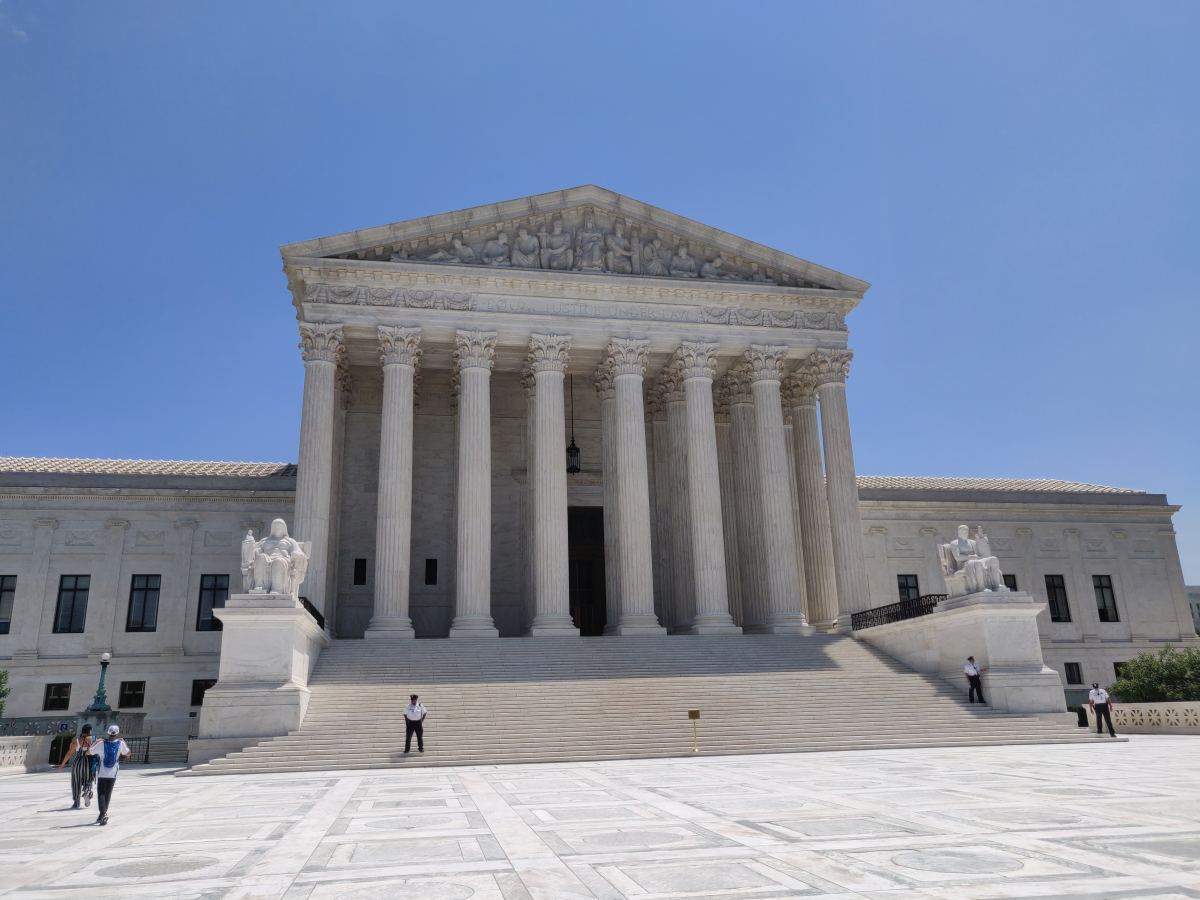
A federal judge in Washington on Wednesday, November 25, blocked enforcement of President Donald Trump’s second order restricting birthright citizenship for certain children born in the United States. Judge Christopher R. Cooper granted a preliminary injunction preventing the government from applying the policy to members of a court-certified class while the lawsuit proceeds.
The ruling concerns Executive Order 14418, signed on August 6, 2026. It sought to deny recognition of citizenship to additional categories of children with noncitizen parents, including those linked to certain jobs with foreign governments or international organizations, commercial surrogacy arrangements and what the administration calls birth tourism.
The case, Nathan v. Trump, again pits the president’s immigration policies against the Constitution’s 14th Amendment. In a 67-page opinion, Cooper found that the plaintiffs were highly likely to establish that the order violates citizenship protections already recognized by the Supreme Court.
Which children the Washington injunction protects
Cooper limited the class to people born on or after August 6, 2026, the date of the order, in the United States as defined by federal law. Neither parent can be a US citizen, and at least one parent must be, or be at risk of being, classified by the government within the order’s first three categories.
The class excludes children born to foreign diplomatic officers accredited to the United States. Parents are also excluded as class members in their own right, although they may represent their children in the litigation. Cooper therefore narrowed the broader definition that the plaintiffs had proposed.
The injunction bars the Department of Homeland Security, the State Department and the Social Security Administration, along with people acting with them, from enforcing the order against those children or otherwise denying or infringing their citizenship. It protects the certified class collectively, rather than providing a final judgment on every provision of the executive order.
What Trump changed after the Supreme Court ruling
The dispute follows Trump’s first citizenship order, issued on January 20, 2025. In June 2026, the Supreme Court rejected that initiative in Trump v. Barbara. As Cooper explained, the ruling confirmed that children born in the country and subject to its laws are citizens at birth, including children whose parents are present temporarily or without lawful immigration status.
The August order took a different approach. When neither parent is an American citizen, it directs agencies to withhold documents recognizing citizenship if a parent falls within its categories. Those include people classified as alien enemies, employees of foreign governments or international organizations, and participants in commercial transactions to obtain access to birthright citizenship.
The text expressly includes commercial agreements with a surrogate in the United States and arrangements for traveling to the country to give birth. The White House argues in the order itself that these groups fall outside the rule recognized by the Supreme Court. Cooper rejected that interpretation as applied to the class he certified.
Foreign government employment is not diplomatic immunity
A central distinction in the opinion separates diplomats with full immunity from other foreign employees. The administration sought to extend the exclusion to people working for embassies, consulates, foreign governments and certain international organizations. Cooper concluded that those jobs do not necessarily place the employees beyond US jurisdiction.
The historical exception, he explained, concerns officials with full diplomatic immunity. It does not automatically exclude the US-born children of everyone working for a foreign state or international institution. The question is whether they are subject to the country’s laws, rather than simply who employs their parents.
Cooper also rejected equating a parent’s classification as an alien enemy with the historical exception for enemy forces occupying American territory. His analysis found that the exception requires hostile occupation; an allegation that a parent has links to a government-designated organization is not enough on its own.
Children’s citizenship and their parents’ decisions
The court also examined restrictions involving birth tourism, commercial surrogacy and alleged fraudulent conduct by parents. Cooper’s analysis concluded that these circumstances do not authorize the denial of citizenship to a child born in the United States and subject to its laws.
For families, the dispute already has consequences for identity documents. The court record describes a baby born in Washington whose parents work for international organizations, as well as children born through surrogacy arrangements. Some had received passports under an earlier injunction, while another family was still trying to obtain its child’s passport.
Cooper found that even a temporary denial of citizenship could cause irreparable harm during childhood. That supported granting protection before a final ruling on the merits. He also concluded that documents obtained under an earlier court order did not remove the possibility of future harm.
The White House response and the continuing lawsuit
White House spokeswoman Lauren Bis criticized the decision and maintained that the president’s order was consistent with the Supreme Court’s reasoning, according to her statement reported by Reuters. The administration has defended the policy as a response to abuse of citizenship rules.
The American Civil Liberties Union, one of the organizations representing the plaintiffs, welcomed the ruling. Its lawyer Cody Wofsy said the president needed to accept the constitutional protection of birthright citizenship.
Another federal judge, Deborah Boardman, had already blocked the August order in September for a class of children in Maryland litigation. Cooper explained that the two classes overlap but are not identical: the new case also covers circumstances outside the earlier class’s definition.
Wednesday’s ruling provides preliminary relief. Cooper denied the government’s request to put it on hold pending appeal, but the litigation continues. The unresolved dispute concerns the executive branch’s power to create these additional citizenship exclusions; in the meantime, the injunction protects the class of children defined by the court.