FedEx plane overruns Miami runway, disrupting flights ahead of Thanksgiving
The MD-11 cargo jet was arriving from Memphis, and no injuries were reported. The incident temporarily closed all but one runway and prompted restrictions on Miami-bound flights while the FAA investigates.
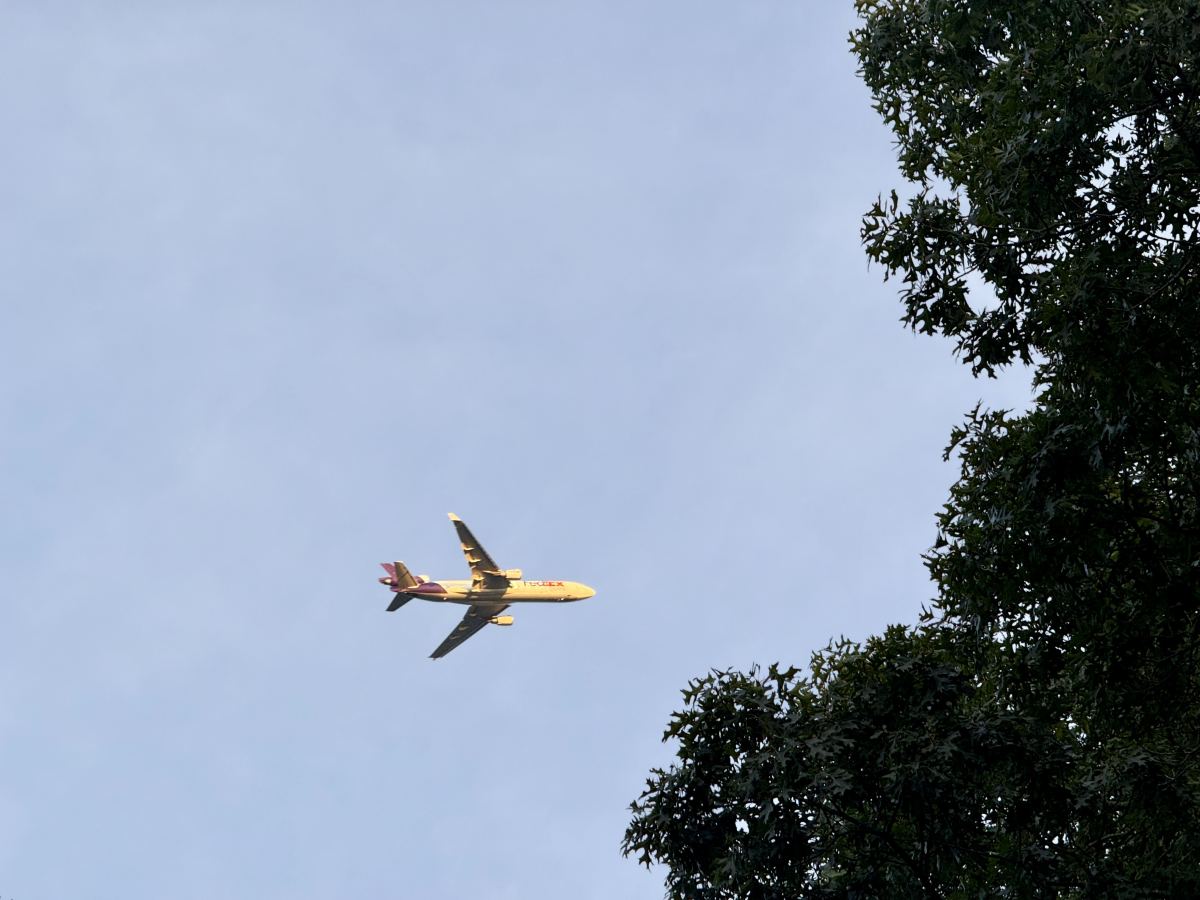
A FedEx cargo aircraft overran a runway while landing at Miami International Airport on Wednesday night, November 25, disrupting flights on the eve of Thanksgiving. The airport said no injuries had been reported and all but one runway were closed during the emergency response. The Federal Aviation Administration is investigating the incident.
The aircraft, a McDonnell Douglas MD-11 arriving from Memphis, went beyond the end of Runway 26R at about 8:40 p.m., according to an airport statement reported by The Associated Press. Miami-Dade Fire Rescue crews responded. FedEx said its crew was safe and the company was working with investigating authorities. The carrier did not identify a cause in the statement reported by AP.
The disruption affected holiday travelers at Miami as well as flights that had not yet left other airports. The FAA restricted Miami-bound traffic while responders dealt with the disabled aircraft. Delays were reported during the night, although their duration and consequences differed from one flight to another.
An emergency response with fewer runways available
The airport confirmed the runway overrun through its official account and urged passengers to check with their airlines. Its initial statement placed the incident at about 8:40 p.m. Eastern time and said county firefighters had responded. No injuries were reported in that initial account of the emergency.
Local station WSVN, which sent cameras to the scene, reported emergency personnel around the cargo jet. It said the aircraft had arrived from Memphis and two people aboard had disembarked. Those early reports describe the response and the crew’s condition; they do not establish why the aircraft failed to stop before the runway ended.
Having only one runway available during the response reduced the airport’s operating capacity. Conditions later in the night could differ from the initial restrictions as emergency work progressed. Passengers may still be waiting for revised departure times or instructions about their connections.
Why Miami-bound flights were held elsewhere
A ground stop holds affected flights at their departure airports instead of allowing them to take off toward a destination that temporarily cannot accept the expected traffic. The FAA describes it as a traffic management tool that keeps those aircraft at their points of origin for the duration of the restriction.
That means the effects of a Miami incident can be felt far from Florida. A passenger may wait at another airport even when there is no emergency at that location.
The FAA also uses ground delay programs to spread departure times and align arrivals with the receiving airport’s available capacity. Holding aircraft before departure reduces pressure on the destination. For travelers, however, the practical effect on a particular reservation depends on the flight information and any changes provided by their airline.
General delay information improved early Thursday
FAA general delay information obtained early Thursday listed Miami’s arrival and departure delays at fifteen minutes or less. That reading came after Wednesday’s initial disruption and indicated an improvement from the problems reported during the night. It describes conditions at the time of that update, rather than a guarantee about the remainder of the holiday.
The federal service expressly cautions that its indicators describe general airport conditions, not individual flight status. A particular flight can still have a changed schedule even after the overall indicator improves. The information also does not provide a complete inventory of open runways or promise a departure time for any individual passenger.
Miami’s advice was to contact the airline for current information before traveling to the airport. People meeting an arriving passenger or making a connection should check the Miami-bound flight as well as any onward leg on the reservation, using the carrier’s official updates rather than relying solely on an airport-wide indicator.
Two recent incidents provide a separate backdrop
The overrun occurred less than three months after a fatal cargo aircraft accident at the same airport. On September 6, a Boeing 767 operated by 21 Air on behalf of Amazon overran Runway 30 and struck two vehicles on the ground, according to the National Transportation Safety Board’s preliminary report.
That official document recorded five deaths on the ground, three serious injuries and minor injuries to the two crew members. The aircraft had arrived from San Juan, Puerto Rico. Wednesday’s FedEx aircraft was an MD-11 arriving from Memphis and using Runway 26R. The aircraft, flights and runways were different, and the available findings do not establish a common cause.
Miami also experienced a taxiing collision on November 14. The FAA said the wingtip of a Copa Airlines Boeing 737 struck the nose of a UPS Boeing 767. The Copa aircraft was heading to a gate, while the UPS flight was taxiing for departure to Bogotá. The agency opened an investigation into that incident.
Each event has its own circumstances and investigative record. The September report is preliminary and subject to change. Investigators examining the FedEx landing must establish what happened before a technical explanation or responsibility for the latest runway overrun can be determined. Earlier incidents do not supply that answer on their own.
What affected passengers should check
The Department of Transportation says a canceled flight or a significant schedule change can entitle a passenger to a refund if they do not travel and do not accept the alternatives offered. Significant changes include arriving at least three hours late on a domestic itinerary or six hours late on an international itinerary. A passenger who takes the changed or rebooked flight is not entitled to a full ticket refund under that rule.
Passengers should follow airline notifications about their reservation and available options. While the runway incident remains under investigation, the most useful information for completing a journey is the updated status of the individual flight and any connections attached to the booking.