Fort Hood gunman Nidal Hasan asks federal court to halt December 3 execution
The former Army psychiatrist is seeking time to challenge his conviction and death sentence in federal court in Kansas. His filing contests decisions at his court-martial and the roles of President Trump and Defense Secretary Pete Hegseth in the execution process.
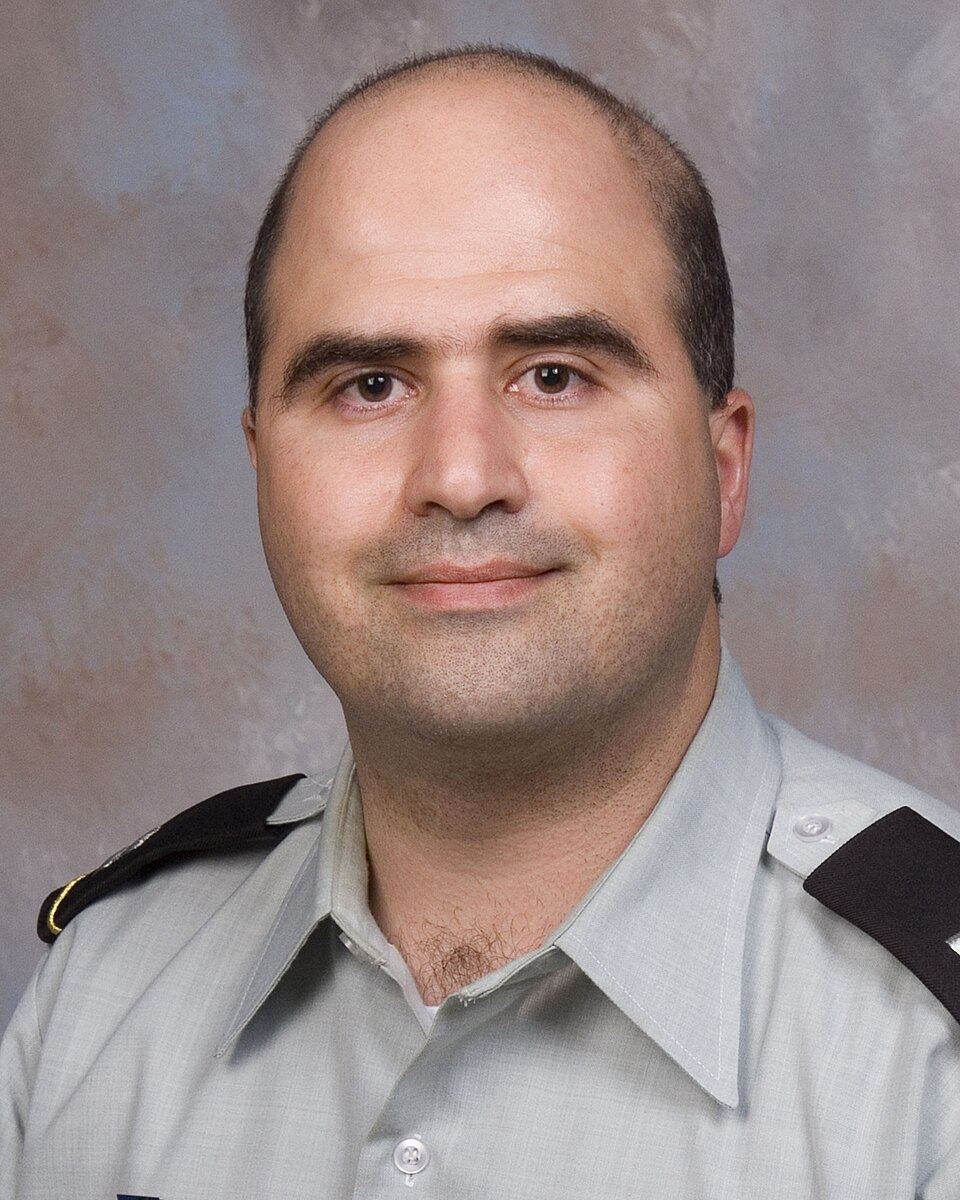
Nidal Malik Hasan, sentenced to death for the 2009 Fort Hood shooting that killed 13 people, has asked a federal court in Kansas to halt his execution, scheduled for December 3. The motion, filed Tuesday, November 24, seeks time to prepare a habeas corpus petition challenging his conviction and death sentence.
The former US Army psychiatrist is held at the military prison at Fort Leavenworth, Kansas. He says he wants to represent himself, with lawyers available to assist him. The American Civil Liberties Union and its Kansas affiliate confirmed that they have joined the case as standby counsel.
The execution would be the US military’s first since 1961. The Army scheduled Hasan’s death by firing squad at Fort Hood, Texas, the site of the attack, for 1 p.m. Central Standard Time on Thursday, December 3.
A request for review in civilian court
Hasan is seeking a stay before filing his full habeas petition. His motion invokes federal habeas corpus review to challenge the legality of his military conviction and argues that he needs a meaningful opportunity to investigate and develop his claims before the sentence is carried out.
The filing identifies at least two potential constitutional challenges and reserves the right to add others once he has time and assistance to prepare them. His conviction remains in place. The requested stay would pause the execution while he pursues federal review of the case.
Standby counsel would assist Hasan while he retained control of his case. He asks to continue representing himself but accepts help from the ACLU’s Capital Punishment Project and his military lawyers. The filing also says attorneys from a specialized federal public defender unit helped prepare the motion now before the court.
The ACLU acknowledged the suffering caused by the attack while arguing that the gravity of the crimes does not remove a condemned person’s right to seek federal review. The court must decide the stay request. Legal news outlet Law Dork reports that a status conference in the case is scheduled for Wednesday, November 25.
A trial defense the military courts rejected
The first proposed challenge concerns the decision to bar Hasan from presenting a “defense of others” argument. At his court-martial, he sought to justify the shootings by claiming that he was protecting Taliban members from American troops preparing to deploy to Afghanistan.
The trial judge rejected that argument. In its March 2024 opinion, the Court of Appeals for the Armed Forces upheld her decision, finding that the people attacked at Fort Hood posed no imminent threat to anyone in Afghanistan. The time and distance separating the two places defeated the proposed justification, the court concluded.
The appeals court also found that excluding a legally unsupported defense avoided irrelevant evidence and potential jury confusion. Hasan’s new attachment argues instead that the exclusion violated his constitutional rights to tell his version of events and present a complete defense at trial.
Allegations about the administration’s role
The second proposed challenge concerns actions by President Donald Trump and Defense Secretary Pete Hegseth. Hasan alleges that they improperly interfered in military justice and that racial and religious prejudice influenced their decisions. These are the prisoner’s allegations, not findings made by a court.
Among other objections, the attachment challenges Trump’s announcement of a firing-squad execution before the acting Army secretary issued the detailed execution order. Hasan argues that military regulations leave selection of the method, date, place and time of execution to the Army secretary.
He also disputes acting Army Secretary Adam Telle’s authority and alleges failures in notifying him and his lawyer about the orders. The filing ties those objections to due process protections and the prohibition on using command authority to exert improper influence over military justice.
The Army’s official position, set out when it announced the execution date in October, is that Trump approved the death sentence after the appeals process upheld the conviction and punishment. Reuters reported that the Defense Department did not immediately respond to its request for comment on the new motion.
From the 2013 sentence to the execution order
The shooting took place on November 5, 2009, at Fort Hood’s Soldier Readiness Processing center. Hasan opened fire on people inside the facility. The military appeals opinion describes a carefully planned attack and records that he acknowledged being the gunman in his opening statement at trial.
On August 23, 2013, he was convicted of 13 counts of premeditated murder and 32 counts of attempted premeditated murder. Five days later, the panel sentenced him to death, dismissal from the service, and forfeiture of all pay and allowances.
His conviction and sentence were upheld in the military appeals process in 2020 and in the armed forces appeals court’s March 2024 decision. The Supreme Court declined to hear his petition on March 31, 2025, according to its official docket for the capital case.
Trump approved the death sentence on October 2, 2026. Telle issued the execution order on October 6. The Army’s announcement said its regulations require an execution date between 60 and 150 days after the president approves a military prisoner’s death sentence.
Disputes over how the execution would proceed
Hegseth had promoted plans to livestream the firing-squad execution. Trump canceled the broadcast plan in October after it drew criticism. The attachment cites that controversy as part of Hasan’s allegations about how the officials handled the execution process.
The Associated Press reported that the Army refused Tuesday to reconsider requests from three survivors to witness the execution. The service cited regulatory restrictions and security and space concerns. That dispute over attendance is unfolding alongside the court battle over whether the execution will proceed.
In Kansas, Hasan is seeking time to develop his challenges and obtain specialized assistance before facing an irreversible punishment. The federal court must decide whether to pause the Army’s execution timetable to allow that preparation.