Why Wisconsin’s measles outbreak has claimed three lives
Low vaccination coverage in some communities, family contacts and transmission before the rash appears have allowed the outbreak to grow. Wisconsin has recorded 918 cases since August.
Wisconsin’s third measles-associated death, announced on November 24, follows months of transmission and years of inadequate protection against the disease. Records published by state public health authorities describe a dangerous combination: groups with low vaccination coverage, infections spreading through family and social networks, and a virus that can pass from person to person before its most recognizable symptom appears.
The person who died was an adult from Lafayette County. Since August, Wisconsin had recorded 918 cases and 19 hospitalizations across 24 counties. The figures for all of 2026 were slightly higher: 920 cases and 20 hospitalizations. The two sets of figures cover different periods within the same public health tally.
The underlying vulnerability was documented before the deaths. In the 2025–2026 school year, measles, mumps and rubella vaccination coverage among Wisconsin kindergartners was 85.1%, compared with 84.8% a year earlier. That was a small improvement, but coverage remained well below the roughly 95% that health authorities say is generally needed to prevent measles from spreading easily through a community. The combined vaccine is known as MMR.
The statewide average provides context, but where susceptible people are concentrated offers a clearer explanation of how an outbreak can continue. When many people without protection share homes, gatherings and frequent contact, the virus has further opportunities to spread. In a November 3 alert, the Wisconsin Department of Health Services, or DHS, said transmission was concentrated in closely connected networks with low vaccination coverage, primarily within some Amish and Mennonite communities. That description applies to particular groups affected by the outbreak; it does not establish that everyone in those communities makes the same choices.
The latest tally reinforces the link between insufficient protection and illness: 99.2% of cases were classified as unvaccinated or having an unknown vaccination status. The second part of that category is essential. The records do not establish that all those people refused vaccination or that none had ever received a dose.
There is also more than one reason for incomplete protection. Wisconsin allows exemptions from school immunization requirements on medical, religious and personal conviction grounds. Among kindergartners, nonmedical exemptions rose from 6.3% to 7.3% between the 2024–2025 and 2025–2026 school years. Health officials warned that the growing use of exemptions creates more opportunities for vaccine-preventable diseases to spread.
Research by the Wisconsin Policy Forum also identifies a long-term decline in compliance with school vaccination requirements, which accelerated in the years following the pandemic. Its report distinguishes between families seeking exemptions, students behind on doses and those without complete records. It notes that access to health care and school follow-up may also affect the figures. The analysis covers all required school immunizations, so its figures are not a measure of measles vaccination coverage alone.
Misleading information is part of the context. In September, DHS warned that families were encountering vaccine claims online and on social media that were not supported by scientific evidence. It did not, however, publish a measurement of how many infections in this outbreak resulted from any particular message. The rise in exemptions is documented; understanding individual motivations requires a separate investigation.
The virus had been circulating long before the deaths were announced. On August 11, authorities confirmed cases in residents of Iowa and Lafayette counties and said they had probably been exposed within Wisconsin. Officials were already warning that other infections might not yet have been identified. That announcement did not establish who first introduced the virus or a single source for every subsequent infection.
Three weeks later, the regional outbreak had reached 102 confirmed cases and six probable cases. By November, authorities were also reporting infections associated with travel outside the state. The record shows a growing problem and makes clear that all Wisconsin cases cannot automatically be assigned to one initial chain of transmission.
The characteristics of measles make containment difficult. An infected person can spread the virus from four days before the rash appears. The virus can also remain in the air for up to two hours after that person leaves a space. According to the Centers for Disease Control and Prevention, up to nine in 10 close contacts without immunity can become infected. Waiting for the rash before recognizing the danger leaves days in which further exposures can occur.
Infants are particularly vulnerable when circulation increases. The first routine MMR dose is given at 12 to 15 months. To reduce the risk during the outbreak, Wisconsin recommended an early dose for certain infants aged six to 11 months who were considered at substantial risk of exposure, following a public health assessment. The recommendation was not extended to every infant in the state.
The first death, announced on November 5, was that of an infant and was Wisconsin’s first measles-associated death since 1990. The second, announced on November 13, involved a pediatric patient from Grant County. The announcement dates are not necessarily the dates on which the patients died. Authorities withheld further information to protect the families; the releases do not provide enough detail to reconstruct their clinical care or attribute each death to a particular delay or decision.
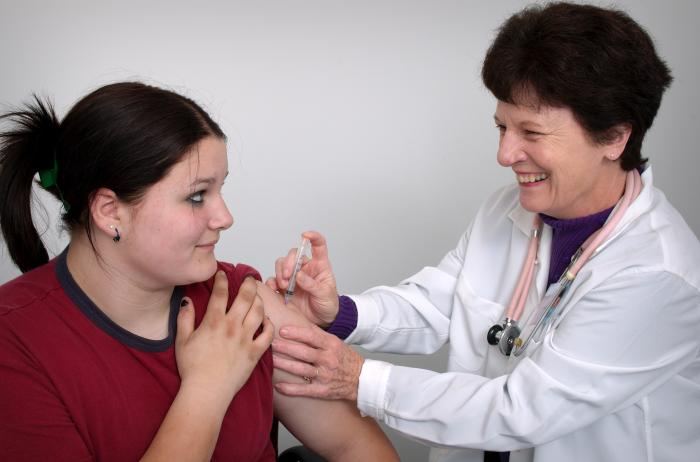
The public health response includes contact investigations, testing and vaccination. By November 24, more than 55,419 MMR doses had been administered in Wisconsin since August. That work is continuing while infections persist. Restoring protection in affected communities requires reaching people who remain susceptible, alongside identifying and interrupting existing chains of transmission.