Jimmy Gomez announces resignation after House Ethics report on unwelcome sexual contact
The California Democrat says he will leave Congress on December 1. The committee found that he violated House conduct rules; Gomez disputes its conclusions and maintains that the interactions were consensual.
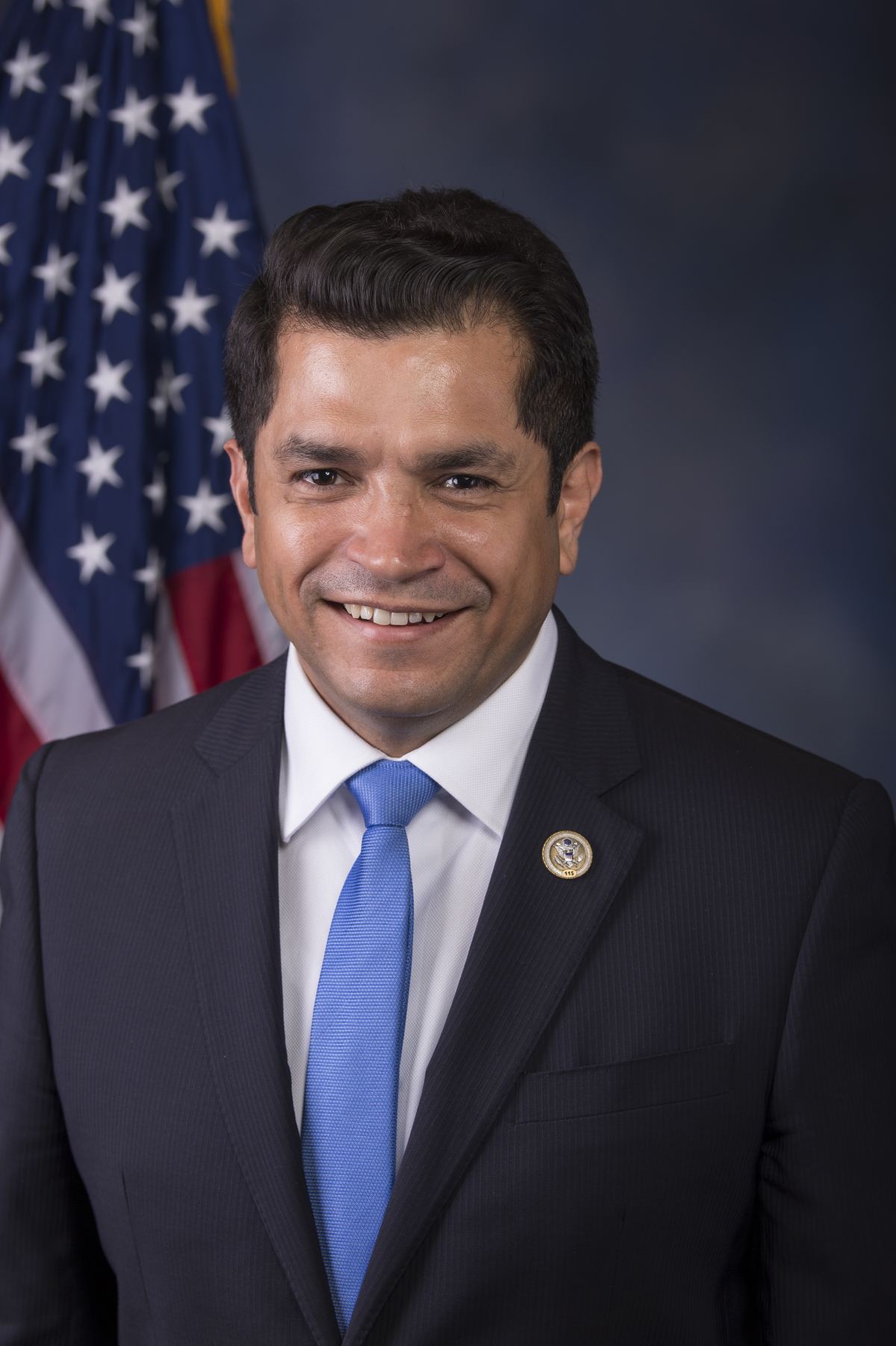
Democratic Representative Jimmy Gomez announced on Monday, November 23, that he will resign on December 1 after the US House Ethics Committee published a report on his conduct toward a congressional employee. The committee found substantial evidence of unwelcome sexual advances and contact, concluding that the California lawmaker violated the House Code of Official Conduct.
Gomez disputes the findings and the report’s treatment of his testimony. During the investigation, he maintained that the interactions were consensual and that he had broken neither the law nor House rules. His announcement brings forward a departure already approaching: he lost reelection this month to fellow Democrat Angela Gonzales-Torres, according to the Associated Press.
The announcement affects California’s 34th Congressional District, which Gomez has represented since 2017. He said the period before December 1 would allow his staff to finish work on constituents’ outstanding cases and needs.
An investigation that began in April
The Ethics Committee began its inquiry on April 23, 2026, after a news report about an encounter between Gomez and a House employee. The bipartisan panel reviewed documents and obtained testimony from ten people, including the representative. It adopted its report on November 19 and released it publicly four days later.
During the inquiry, Gomez disclosed interactions with two women. One described her relationship with him as consensual and denied ever having a nonconsensual sexual encounter with him. The report distinguishes that relationship from the events underpinning its findings about the other woman, identified only as Witness 1. The two accounts do not amount to two equivalent allegations.
The woman whose testimony the committee found credible did not work directly for Gomez or for a committee on which he served. She left House employment in 2025. The public report withholds her identity while setting out her account, the congressman’s objections and the committee’s assessment of the evidence.
Two encounters in 2024
The report places the first incident at a Washington bar on February 29, 2024, after a birthday celebration. The woman testified that Gomez made sexual contact without her permission. The representative acknowledged sexual contact but described it as consensual and disputed aspects of the encounter, including where it took place.
The committee also examined messages and testimony about what followed. It gave weight to evidence that the woman told another person about the incident at the time. It did not describe everyone present at the bar as a direct witness to every alleged act. Instead, it compared their recollections and communications with the accounts of Gomez and the woman.
According to the woman, the second incident occurred in July 2024 in Gomez’s congressional office. She said he held her and tried to kiss her when she wanted to leave. Gomez placed the encounter in the spring, described a consensual hug and kiss, and denied preventing her from leaving. The report records those differences before assessing his conduct.
Consent and the House rules
The committee found the woman’s testimony that she had not consented more credible. It also determined that Gomez knew or had reason to know the contact was unwelcome. It rejected the idea that the absence of a spoken refusal or physical resistance established consent and questioned the consistency of parts of his recollection.
The rule it applied prohibits unwelcome sexual advances or conduct toward any House employee. It is not restricted to employees supervised by the lawmaker under investigation. The fact that the woman worked in another office therefore did not place the conduct beyond the committee’s remit.
The report concludes that Gomez violated that prohibition, in clause 18(b) of the code, and the general requirement to behave in a manner that reflects creditably on the House. It also distinguishes the disciplinary standard from other legal tests: conduct can breach House rules without meeting the requirements for a criminal offense.
Investigators said the conduct could also constitute misdemeanor sexual abuse under District of Columbia law. That assessment is a finding of the committee, not a criminal conviction. The report does not replace a criminal proceeding or give a congressional panel the authority to determine guilt in a court of law.
Gomez challenges the report and sets his departure
Responding on Monday, Gomez acknowledged the seriousness of the report and accepted responsibility for personal mistakes outside his marriage, while disputing its conclusions. He alleged that essential testimony was omitted, his answers were quoted selectively and he had no opportunity to respond to the final report, according to the statement carried by ABC News.
Acknowledging personal mistakes does not amount to accepting the committee’s account. Gomez had defended the interactions as consensual; investigators explained why they considered the contrary testimony more credible. That disagreement sits at the center of a report examining incompatible accounts of the same encounters.
The committee, for its part, criticized his emphasis on the harm to his family without acknowledging the harm to the woman. It recalled cases from 1989 and 1990 in which apologies from lawmakers had been considered sufficient responses to unwelcome contact or inappropriate remarks. Investigators said an apology was no longer an adequate response to such conduct.
Sanctions left to the full House
The panel did not recommend a particular punishment. It explained that Gomez’s election defeat left too little time to pursue an adequate House sanction, but said publication was essential so that the chamber could decide what action to take. Its conclusion noted that the Constitution gives the House responsibility for policing its members’ behavior.
The report also considers the workplace consequences. The committee said the conduct caused the woman significant and continuing distress and contributed to her departure from House employment. It placed that impact within a broader environment of sexual misconduct and working conditions it described as toxic in some Capitol Hill offices.
The report closes by encouraging people with information about possible sexual misconduct by lawmakers or staff to contact the committee. The panel pledges confidentiality for witnesses and whistleblowers and a safe setting for examining their accounts. Its appeal connects accountability for members of Congress with the ability of staff to work without facing unwelcome sexual advances.