Greenwich Rx recalls sterile compounded drugs; list includes semaglutide and tirzepatide
The precautionary nationwide recall covers specific lots dispensed in August and September, including some supplied through Clove Rx. Patients are instructed to stop using products on the list.
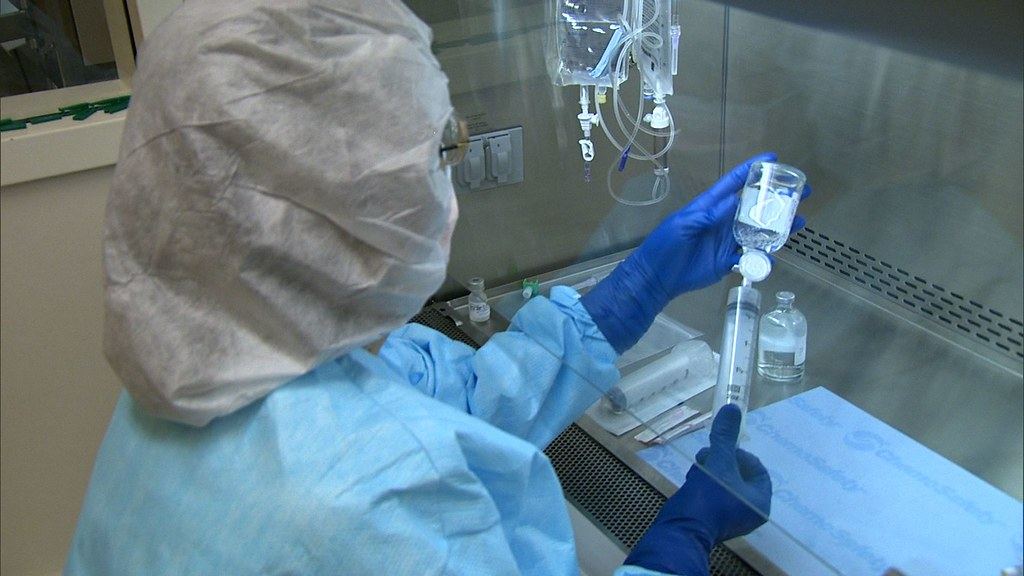
Greenwich Rx, a compounding pharmacy in Tomball, Texas, announced a voluntary nationwide recall of certain sterile compounded drugs on Friday, November 20, because of concerns about sterility assurance. The Food and Drug Administration posted the notice the same day. The affected products include injections containing semaglutide and tirzepatide, as well as other compounded preparations.
The company said the concern followed an FDA inspection and its own evaluation. In Friday's announcement, Greenwich said it had identified no evidence of contamination and received no reports of adverse events related to this recall. The action is precautionary: a drug intended to be sterile that is not sterile could cause serious, potentially life-threatening infections.
Some affected medications were compounded by Greenwich for Clove Rx. The recalled products were dispensed nationwide between August 10 and September 21, 2026. Patients need to check the particular preparation and lot they received. The notice concerns specific products, rather than every medicine containing the same active ingredients.
What the affected-product list shows
Greenwich's public table contains 261 entries representing 247 distinct lot numbers. Fourteen numbers appear twice, under the two dispensing pharmacies. These are product and lot records, not a count of patients or vials. The numbers cannot be used to determine how many people received a recalled medication or how many doses were distributed.
The entries include 82 for semaglutide preparations and 121 for tirzepatide preparations, together accounting for 203 of the 261 records. The formulations combine those ingredients with substances such as vitamin B12 or glycine. Other listed injections include glutathione and NAD+. An ingredient name alone is not enough to determine whether an individual vial is affected.
The table also identifies the dispensing pharmacy: 231 entries are listed under Greenwich Rx and 30 under Clove Rx. The business that prepared a medication may differ from the service through which a patient ordered it. Checking the pharmacy information on the label is therefore part of identifying a recalled product, even when the order was placed through another company.
One listed example is Semaglutide/B12 Injection in a 1-milliliter vial, lot 0001-082026-1, with a beyond-use date of November 28, 2026. That is one Greenwich entry, not the full recall list. Strengths, package sizes and dates vary between preparations. A partial match should not replace checking all the identifying information for the medication in hand.
The table appears in the November 20 notice in the news section of Greenwich Rx's official website and can be filtered by product and dispensing pharmacy. It includes different beyond-use dates, some of which have already passed. Patients should compare the date marked BUD on their label with the relevant record rather than assume all listed vials have the same deadline.
Compounded drugs differ from approved generics
Compounding involves combining, mixing or altering ingredients to meet an individual patient's needs. The FDA explains that it can be necessary when an approved medicine is unsuitable: for example, when a patient is allergic to a dye or needs a liquid because they cannot swallow a capsule. That process differs from manufacturing an FDA-approved generic medicine.
Compounded drugs are not FDA-approved. The agency does not review their safety, effectiveness and quality before marketing through the approval process used for other medicines. Sharing an active ingredient with a familiar brand does not automatically make a compounded preparation that branded product or establish that the two are therapeutically equivalent.
This recall list identifies Greenwich preparations, not branded Ozempic, Wegovy, Mounjaro or Zepbound products. Patients using those treatments should not assume their medication is recalled simply because a news report mentions semaglutide or tirzepatide. The relevant checks are who prepared the medicine and whether its identifying information matches the applicable recall notice.
The FDA warns generally that poor compounding practices can cause contamination or incorrect amounts of an active ingredient. Those risks explain the need for quality controls, but they do not establish that every such problem occurred in Greenwich's recalled lots. The reason announced for this action is a potential lack of sterility assurance.
Checking a vial and following the instructions
Greenwich instructs consumers and clinics with a recalled product to stop using it immediately and discard it. Patients who need ongoing treatment can ask their prescriber or pharmacist how to continue safely. They should not switch preparations, concentrations or dosing schedules without professional guidance.
The FDA's general recall guidance recommends matching the lot number on a medication label against the notice. The product name, package size and relevant dates should also be checked. If information is missing or the label cannot be read, the dispensing pharmacy can help clarify whether the medicine is included rather than leaving the patient to guess.
Greenwich says it is notifying affected customers by mail and asks Clove customers to check the list even without a letter. Questions about this recall can be directed to Sedgwick at 888-243-5547, Monday through Friday, from 8 a.m. to 5 p.m. Eastern Time.
Anyone who has experienced a problem that may be related to a recalled preparation should contact their health care professional. Adverse events or quality concerns can also be reported through the FDA's MedWatch program. Reporting allows the agency to evaluate a concern; a report does not by itself establish that a medicine caused the problem.
Disposing of recalled medicines safely
Discarding a product means following the disposal instructions appropriate to that medication. For most unused or expired medicines, the FDA recommends an authorized take-back location or a mail-back program. A pharmacist can explain the appropriate option when a particular preparation has specific disposal requirements or the patient is unsure how to proceed.
The agency reserves flushing for certain medicines on its designated list when a take-back or mail-back option is not readily available. That is not a general recommendation for every recalled product. Before emptying a vial, patients should check its instructions or ask for guidance on the appropriate disposal method for that preparation.
Needles and syringes require separate handling. The FDA provides specific guidance for sharps, which should not be confused with medicine take-back options. Keeping the medication and the equipment used to administer it separate when planning disposal helps prevent an additional hazard as patients clear recalled products from their homes.
The recall reaches products already held by patients and clinics. Identifying the preparation, checking the lot and following the notice allows people to act on affected vials without extending the alert to different medicines. Questions about continuing treatment should be addressed with the health care professional familiar with the patient's medical needs.