Sanofi agrees to buy Insmed for $41 billion to expand its respiratory medicines business
The French drugmaker is offering $175 a share in cash for the New Jersey company. The deal includes Brinsupri, Arikayce and a phase 3 development program, with closing expected in the first half of 2027.
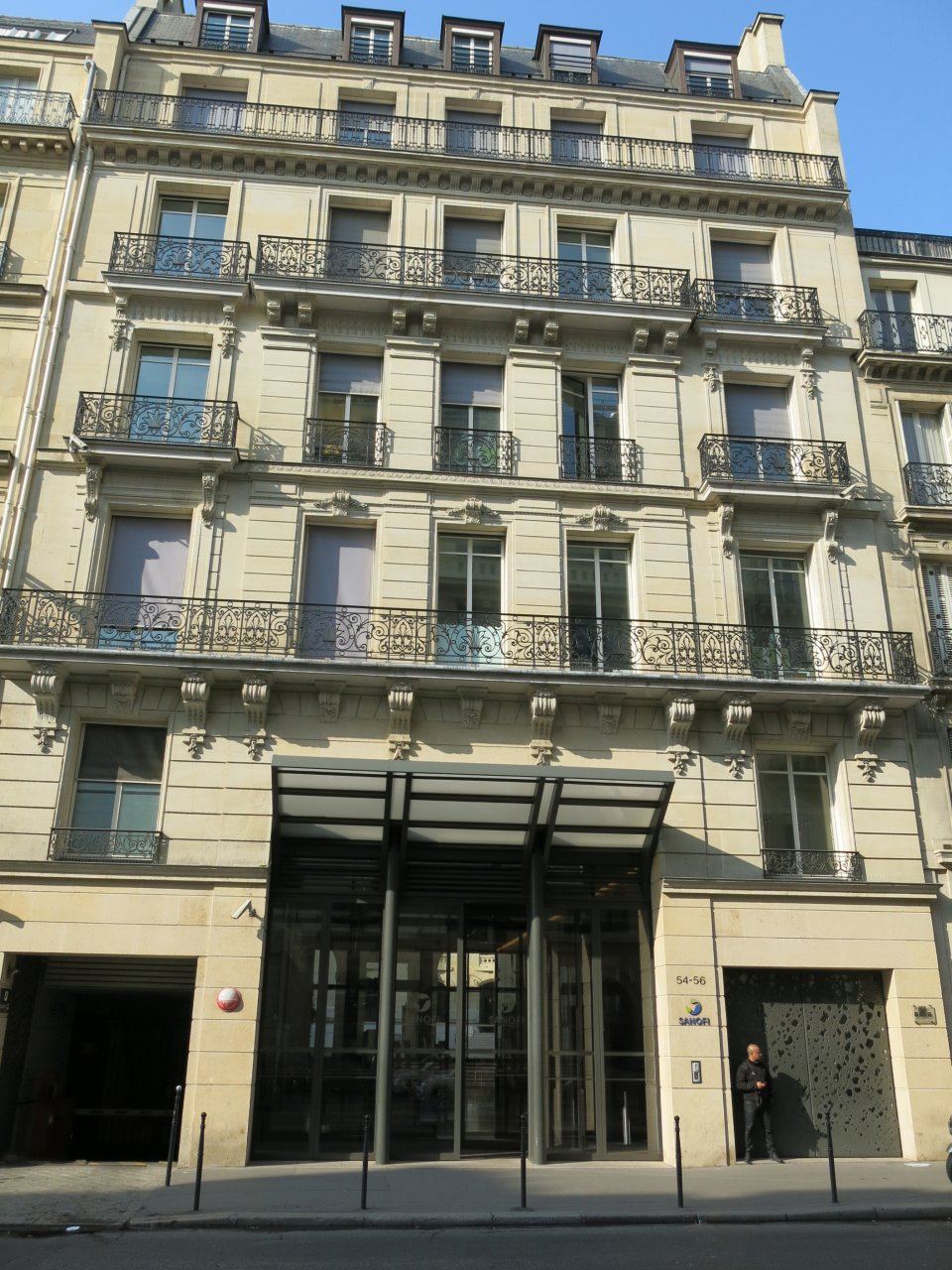
Sanofi announced an agreement Tuesday, November 24, to acquire US biotechnology company Insmed for an equity value of approximately $41 billion, payable in cash. The French drugmaker aims to expand its respiratory disease business with two marketed medicines and additional treatments in development. Completion still depends on approval from Insmed shareholders and regulators.
The merger agreement was signed Monday, November 23, according to Insmed’s filing with the US Securities and Exchange Commission. Insmed, based in Bridgewater, New Jersey, would become a wholly owned Sanofi subsidiary once the transaction closes. Both companies’ boards have approved the deal, setting up the next steps in the shareholder and regulatory process.
The acquisition fits into the reshaping of Sanofi under Chief Executive Belén Garijo. The company expects to strengthen future revenue and research capabilities in immunology and rare diseases through a portfolio that includes Brinsupri, Arikayce and the experimental treatment TPIP. Realizing those ambitions will require both commercial execution and further development work.
A $175 cash offer for each share
Sanofi will pay $175 for each Insmed share covered by the agreement, valuing the biotechnology company’s equity at approximately $41 billion. Shareholders would receive the cash when the merger becomes effective, under the agreed terms. The transaction would transfer ownership of the business to Sanofi following completion.
Insmed says the offer represents a premium of approximately 46% to its November 18 closing share price, the day before reports of a possible transaction. Reuters puts the premium to the November 23 closing price at about 17.5%. The comparisons use different dates in a transaction that had already attracted market attention.
The agreed price establishes what Sanofi proposes to pay for the company. Insmed’s SEC filing also describes the conversion of shares and certain equity awards into cash when the merger takes effect. The shareholder and regulatory steps necessary to complete the purchase remain outstanding.
Two medicines for chronic lung diseases
Brinsupri, or brensocatib, was approved by the US Food and Drug Administration on August 12, 2025, for non-cystic fibrosis bronchiectasis in adults and patients aged 12 and older. The disease involves permanent widening of the airways and can cause infections and episodes of worsening symptoms.
Sanofi said Brinsupri generated $1.09 billion in revenue from its US launch in August 2025 through September 30, 2026. That commercial track record is one of the assets behind the purchase, alongside the prospect of extending the medicine’s reach through Sanofi’s international business.
Arikayce is an inhaled antibacterial treatment used with other medicines for certain adults with Mycobacterium avium complex, or MAC, lung disease. Its current US indication is limited to adults with few or no alternatives who have not achieved negative sputum cultures after at least six consecutive months of a multidrug treatment regimen.
The FDA granted that indication through accelerated approval based on culture conversion; clinical benefit has yet to be established. Sanofi reported Arikayce revenue of $433.8 million in 2025. The acquisition therefore brings two established commercial businesses with their own approved indications and regulatory obligations.
TPIP adds a development bet
The deal also includes treprostinil palmitil inhalation powder, known as TPIP. Insmed is developing it for respiratory conditions including pulmonary hypertension and fibrotic lung disease. Its program is in phase 3, an advanced stage of clinical evaluation.
The transaction announcement states that TPIP is not approved for any indication in any jurisdiction and that its safety and efficacy have not been established. Sanofi links its potential contribution beyond 2030 to successful clinical development, regulatory approvals and commercial execution.
Insmed also brings earlier-stage research programs in immunology and rare diseases. Garijo presents the combination of that research with Sanofi’s international capabilities as an opportunity to broaden access to treatments and strengthen growth. Those are the buyer’s objectives, dependent on development and commercial outcomes.
The valuation also leaves questions. Reuters reported Jefferies’ assessment that the deal buys Sanofi time while questions about its research and future drug pipeline remain. The attraction of existing products sits alongside the uncertainty inherent in experimental programs.
Debt and available cash will fund the purchase
Sanofi will finance the acquisition with debt and cash on hand and says it has secured committed financing. Insmed’s SEC filing specifies that completing the merger is not subject to a financing condition. The buyer expects the combined group’s cash generation to support a reduction in debt after the purchase.
The company reaffirmed its progressive dividend policy and said it expects to maintain a strong credit rating. It also intends to retain capacity for investment and smaller acquisitions involving early-stage opportunities. Those priorities accompany the commitment to fund a transaction with a $41 billion equity value.
Sanofi expects the deal to become accretive to its business earnings per share measure, or business EPS, by the end of 2028. The proposed acquisition does not change its 2026 financial guidance, according to the announcement. Both statements describe the company’s expectations for the transaction’s financial impact rather than results already achieved.
Shareholder votes and regulatory reviews remain
The companies expect to complete the acquisition in the first half of 2027. Insmed’s SEC filing requires approval by more than two-thirds of all votes entitled to be cast by holders of its outstanding shares. The transaction also requires US antitrust review and approvals in certain foreign jurisdictions before ownership can change.
The agreement provides termination rights in specified circumstances. Insmed could have to pay a $1.125 billion termination fee in certain cases, including ending the agreement to accept a superior proposal. The filing also outlines conditions governing the companies’ conduct during the period before closing.
Next steps include the materials Insmed will provide to shareholders and the regulatory approval process. Sanofi’s task will be to turn the purchase into additional revenue while financing further treatment development. For Insmed, the change of control remains subject to satisfying the conditions of the signed agreement.