Honda recalls 810,592 vehicles over Takata airbag inflator rupture risk
The US recall covers certain Civic, CR-V, Accord, Acura ILX and RDX vehicles from the 2012 and 2013 model years. Repairs will be free, and eligibility also depends on where a vehicle was originally sold or previously registered.
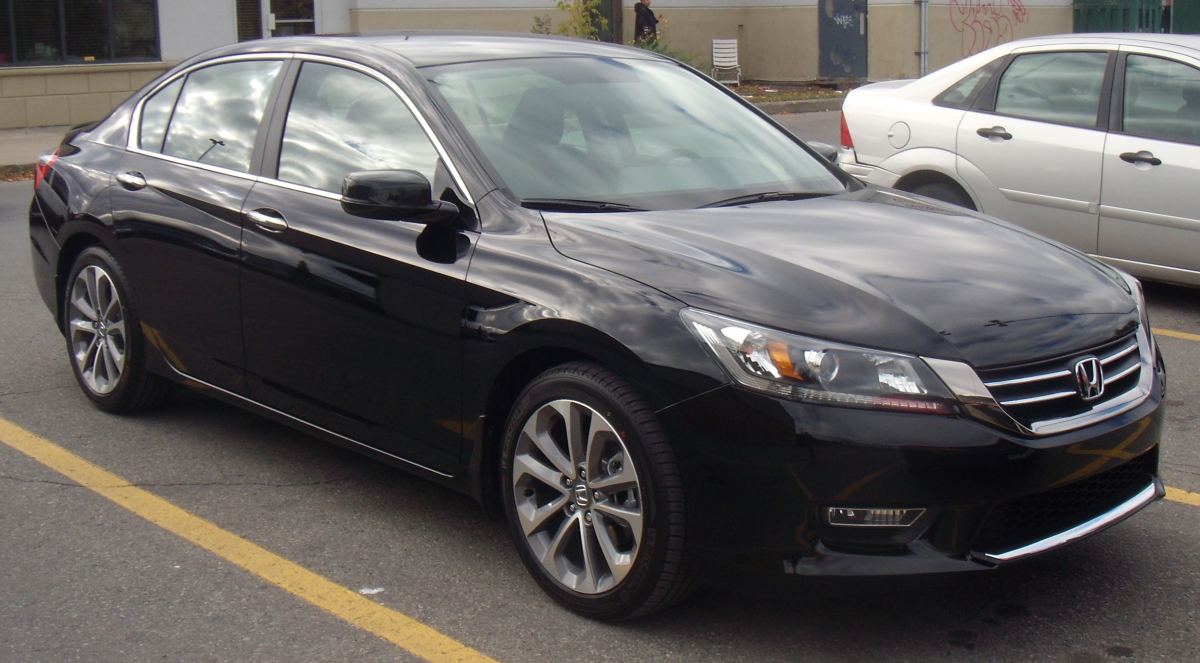
Honda is recalling 810,592 vehicles in the United States because their Takata front airbag inflators can deteriorate over time and rupture when the airbags deploy. A rupture could send metal fragments toward the driver or other occupants, causing serious injuries or death, according to the company’s report to the National Highway Traffic Safety Administration.
The recall, numbered 26V765, was submitted to the regulator on November 19. American Honda announced it publicly Friday, November 20, identifying certain Honda and Acura vehicles originally sold or ever registered in areas with high heat and humidity. At the time of its announcement, the company said no ruptures, injuries or deaths involving these inflator types had been reported.
Owners can already check whether their vehicles are included. Honda expects mailed notifications to begin in December, with its NHTSA filing scheduling owner notices around December 18. Authorized dealers will replace affected inflators free of charge. An individual vehicle’s recall status should be confirmed before arranging the work.
Five models, led by the Civic
The recall covers certain 2012–2013 Honda Civic and CR-V vehicles, along with certain 2013 Honda Accord, Acura ILX and Acura RDX vehicles. Those model names and years identify the groups owners should check, while a vehicle identification number, or VIN, establishes whether a particular vehicle is included.
The Civic accounts for the largest group, with 413,125 potentially affected vehicles listed in the filing. The CR-V follows with 197,045. Honda identifies another 165,225 vehicles from the 2013 Accord model year within the campaign’s scope.
The Acura portion includes 20,554 RDX vehicles and 14,643 ILX vehicles from the 2013 model year. Together, the five groups total the 810,592 vehicles reported to NHTSA. Honda says manufacturing records and vehicle sales or registration history were used to determine the recall population.
Depending on the vehicle, the repair may involve the driver’s front airbag inflator, the front passenger’s inflator or both. A dealer must establish which affected component or components require replacement on that specific vehicle, rather than assuming that every vehicle needs identical work.
Past registration matters as well as location today
The campaign includes vehicles originally sold or ever registered in nine states: Alabama, California, Florida, Georgia, Hawaii, Louisiana, Mississippi, South Carolina and Texas. It also includes Puerto Rico, the US Virgin Islands, the Northern Mariana Islands — Saipan — Guam and American Samoa.
Honda identifies those 14 states and territories as places with high temperatures, high humidity and large temperature fluctuations. Those conditions matter because years of exposure can alter the material that generates the gas used to inflate an airbag. The recall’s geographic criteria reflect that accumulated exposure.
Because previous registration counts, living outside the listed areas today does not by itself establish that a vehicle is unaffected. That distinction is particularly relevant to used-car owners whose vehicles may have passed through several owners or states. A VIN check provides a way to identify an affected vehicle without relying solely on where its current owner lives.
Why another group of Takata inflators is involved
The newly recalled inflators contain a desiccant, a material intended to absorb moisture. Honda says these inflator types differ from those involved in earlier Takata recalls. The latest action follows long-term monitoring and analysis of how the desiccated inflators behave as they age.
The filing describes a phase-stabilized ammonium nitrate propellant. Prolonged exposure to high humidity and repeated temperature changes can cause that material to deteriorate, become more porous and grow brittle. During airbag deployment, the degraded propellant may break apart more than intended and generate gas too quickly.
If the resulting pressure exceeds the inflator’s capacity, its housing can rupture and send metal fragments through the airbag cushion. That is the hazard Honda describes in its report. The company decided to conduct a preventive recall after determining on November 19 that a motor vehicle safety defect existed.
The investigation had been running for years. Honda submitted an analysis to NHTSA in 2020 and continued sharing findings afterward. In May 2025, testing under severe environmental conditions revealed signs of propellant degradation, although the tested inflators remained within normal operating parameters. The company continued its investigation through the recall decision this November.
Free replacement and December notifications
Authorized Honda or Acura dealers will replace the affected inflator with an improved part at no cost to the owner. The filing says replacement inflators come from a different supplier and use a different propellant chemistry designed to avoid the deterioration described under prolonged exposure to heat, humidity and temperature fluctuations.
Honda asks affected owners to bring their vehicles to an authorized dealer for repair once they receive the recall notification. Owners can check their status now and ask a dealer which component is affected, when the repair will be available and how to arrange an appointment for their vehicle.
The filing scheduled dealer notifications around November 20 and owner notices around December 18. Those dates describe the notification plan rather than an appointment for every vehicle. Owners will need to coordinate the actual repair with an authorized service department, using the instructions that apply to their vehicle.
How owners can check and follow up
Honda and Acura’s official recall lookup services allow owners to check their vehicles. NHTSA also offers a lookup system and recommends checking the VIN for recalls that still require repair. The campaign number is 26V765, while Honda’s internal recall codes are BQK, MQJ, KQI and QQH.
American Honda can be reached at 1-888-234-2138. Having the VIN available allows customer service or a dealer to identify the specific vehicle. A repair completed under another airbag campaign does not replace that check: Honda distinguishes the inflator types covered by this action from those recalled previously.
NHTSA advises owners to contact their dealer about recall repairs and recommends against disabling an airbag while awaiting a repair. Owners should follow the instructions for their own vehicle. The immediate step is to establish whether it is included and stay in contact so that the free replacement described in the recall notice can be completed.