Huawei convicted on ten US counts but acquitted of racketeering conspiracy
The Brooklyn jury returned guilty verdicts on fraud, sanctions and trade-secret charges. Huawei rejected the findings and pledged legal action, with sentencing scheduled for September 2027.
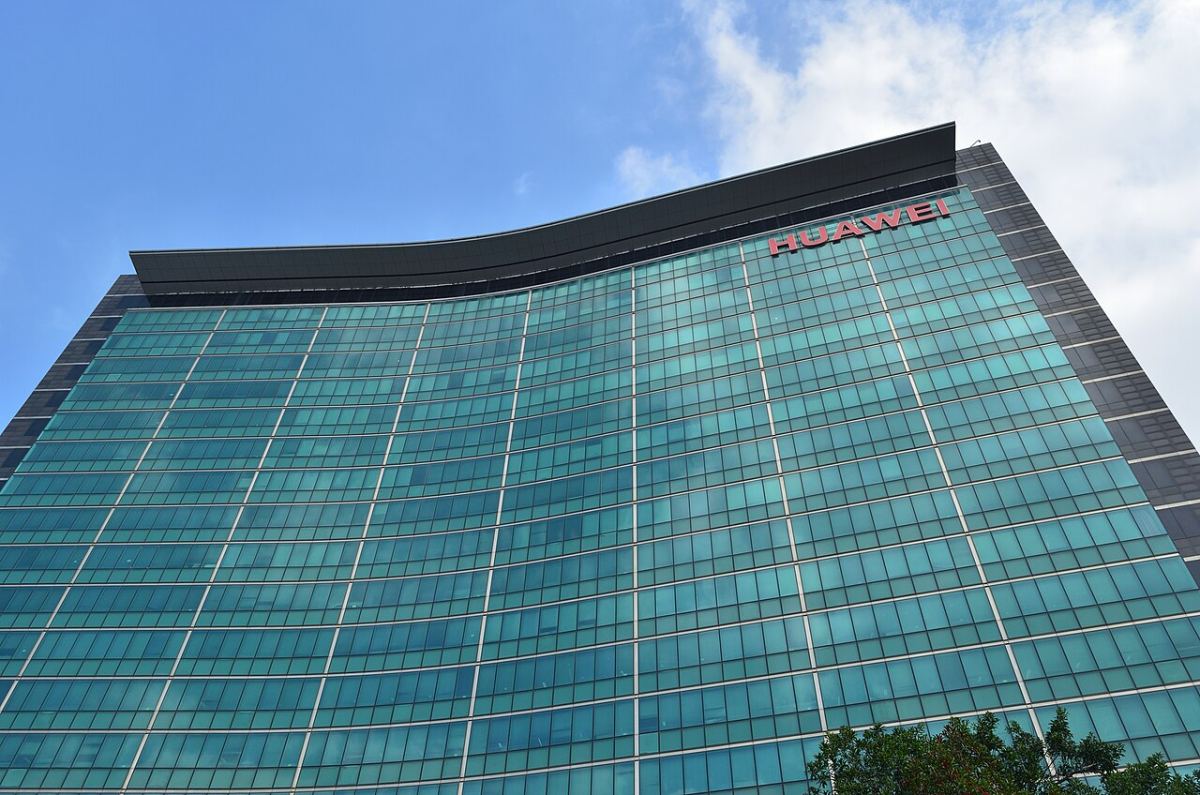
A federal jury in Brooklyn found Huawei guilty on ten of the twelve counts it faced in a case concerning its business in Iran and the theft of trade secrets from American companies. The verdict on Tuesday, November 24, also included two acquittals: racketeering conspiracy under the federal RICO law and conspiracy to obstruct justice.
The decision produced a mixed outcome in one of the largest legal confrontations between Washington and the Chinese company. Huawei challenged the convictions and welcomed the RICO acquittal in a statement dated November 25 in Shenzhen. Its lawyer, Brian Heberlig, told The Associated Press that the company would appeal the guilty verdicts.
Ten guilty verdicts and two acquittals
The Justice Department said Huawei and three subsidiaries were convicted of offenses including bank and wire fraud, conspiracy to steal trade secrets, violations of economic sanctions and money laundering conspiracy. The subsidiaries are Huawei Device Co., Futurewei Technologies and Huawei Device USA.
The RICO charge was central to the prosecution’s approach. When the government expanded the case in February 2020, it alleged that Huawei and its affiliates had used a business enterprise to obtain technology illicitly and reinvest the proceeds of those activities in their international expansion. The jury rejected that count.
The other guilty verdicts stand as the defense prepares its challenge. Conspiracy to obstruct justice was the second count on which the jury acquitted. The corporate trial did not include executives or employees as individual defendants, according to AP, and its outcome does not impose a prison sentence on any person.
Skycom and access to banking services
One part of the case examined Huawei’s relationship with Skycom, a company operating mainly in Iran. That issue stretched back years. In the 2021 court agreement with chief financial officer Meng Wanzhou, prosecutors described how Huawei controlled Skycom’s operations and made its major decisions while publicly presenting it as an independent business partner.
According to that Justice Department account, Huawei maintained relationships with international banks offering US-dollar clearing services. After news investigations in 2012 and 2013 raised questions about its business in Iran, those institutions sought explanations. The assurances they received about Skycom were relevant to their decisions on whether to continue serving Huawei.
In its account of Tuesday’s trial outcome, the prosecution said false statements about the Iranian operations allowed Huawei to obtain financing and access to dollar-based services. Reuters identifies HSBC, Standard Chartered and BNP Paribas among the banks named in the indictment. The defense argued during the trial that the banks knew about the Iranian business and were competing to retain Huawei as a client.
From the Tappy robot to router technology
The other major part of the case concerned technological information that American companies regarded as confidential. The expanded 2020 indictment described alleged breaches of nondisclosure agreements, recruitment of competitors’ employees and the use of intermediaries to obtain technology. The material included router code, antenna technology and robotic testing systems.
In its release on the evidence presented this year, the Justice Department highlighted Tappy, the robot T-Mobile used to test touch-screen responsiveness. Prosecutors said Huawei employees sent photographs and technical details to China and that one employee removed a component from the laboratory in his backpack.
Reuters reported that jurors watched a video relating to that episode. They also heard allegations involving Cisco code, Quintel antenna technology and a CNEX circuit board that prosecutors said Huawei accessed through a professor it hired. Those examples formed part of the dispute over how the company obtained knowledge useful to its technological development.
Huawei disputes the prosecution’s account
In its public response, Huawei said the five trade-secret disputes cited by the government had been civil matters resolved over the past two decades. It said no court had found it liable for willful intellectual property misappropriation or ordered it to pay damages for trade-secret misappropriation. That is the company’s position in response to the jury’s criminal findings.
Huawei said it would review the verdicts and take the legal steps needed to defend its interests. It also defended its record of investment in research and development and said it would maintain continuity in its operations and services to customers and partners.
Heberlig argued, according to AP, that investigators had assembled isolated episodes into a narrative of an overarching conspiracy. Prosecutors presented the events as part of a prolonged pattern of corporate conduct. The mixed verdict establishes which charges succeeded and which were rejected. The financial consequences will depend on sentencing and the legal challenges that follow.
A case spanning eight years
The criminal case began in 2018. In December that year, Meng, Huawei’s chief financial officer and the daughter of its founder, was detained in Canada at the United States’ request. Reuters notes that her arrest triggered a diplomatic crisis involving all three countries.
In September 2021, Meng reached a deferred prosecution agreement with US prosecutors and accepted a statement of facts concerning misleading representations to a financial institution. Canada confirmed that Washington had withdrawn its extradition request, that the Canadian proceedings were ending and that Meng could leave the country. The charges against her were subsequently dropped, while the case against the companies continued.
The trial that ended on Tuesday had begun in September. According to Reuters, prosecutors called more than sixty witnesses and the defense called fifteen. The outcome comes as Huawei remains an international telecommunications supplier and has expanded into chips and artificial intelligence despite US restrictions.
The Justice Department said sentencing is scheduled for September 14, 2027. The companies face potential criminal fines, forfeiture and restitution, with the amounts to be determined by the court. The release does not set a final financial penalty. Until that hearing and the resolution of the announced challenges, the financial scope of the judgment and its specific effects on Huawei’s business remain to be determined.