Judge blocks early review of ABC station licenses, citing evidence of retaliation
U.S. District Judge Loren AliKhan found ABC and Disney likely to succeed on their First Amendment claim. Her preliminary injunction halts the FCC’s early renewal proceedings for eight stations while the lawsuit continues.
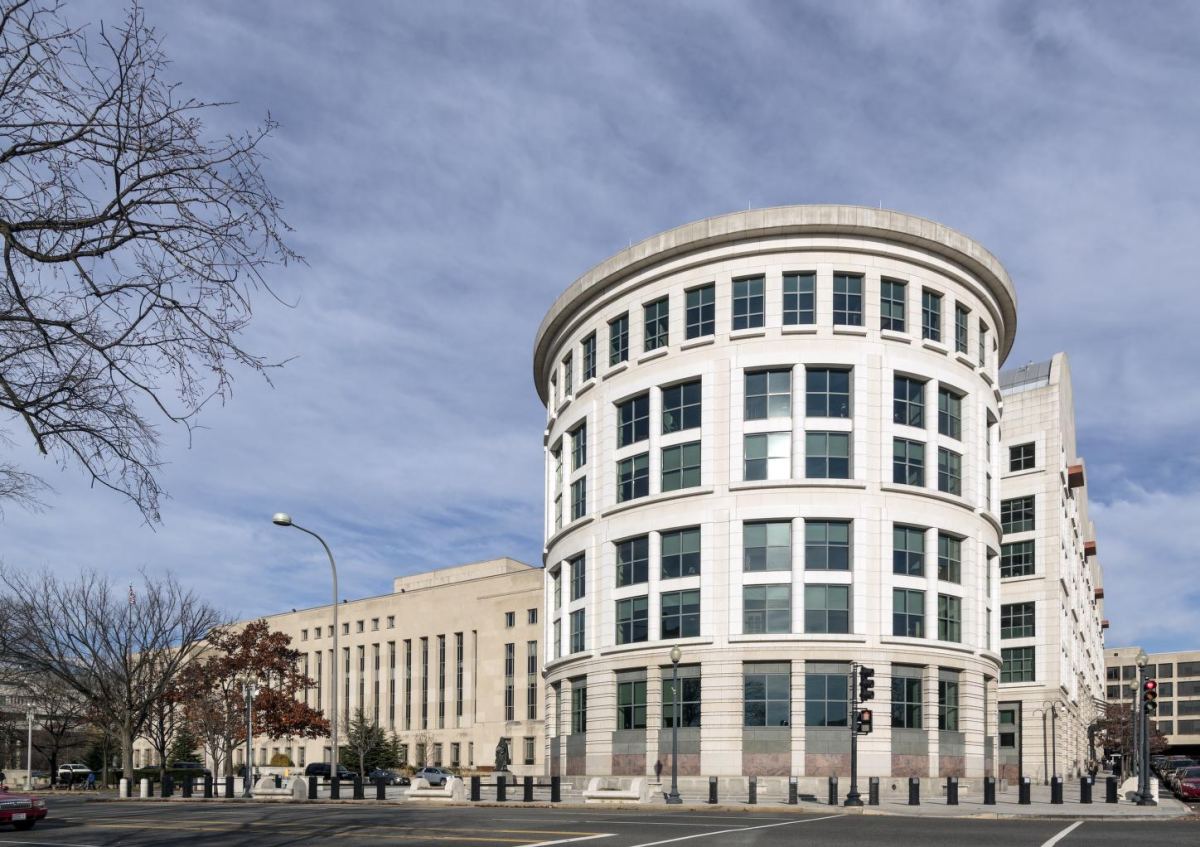
A federal judge in Washington on Wednesday, November 25, barred the Federal Communications Commission from proceeding with an early review of the broadcast licenses held by eight ABC stations. U.S. District Judge Loren L. AliKhan found that ABC and Disney had shown, at this stage of the case, that they were likely to succeed on their claim that the agency retaliated against constitutionally protected editorial decisions.
The order prevents further action in the early renewal proceedings, including the issuance of an order sending the licenses to a formal hearing. It is a preliminary injunction, rather than a final judgment on the companies’ lawsuit. AliKhan also rejected the government’s request to dismiss the case, allowing the challenge to move forward in federal district court.
The dispute tests the boundary between the FCC’s authority to oversee broadcasters and the First Amendment’s prohibition on government punishment for disfavored speech. In a 45-page opinion, AliKhan examined statements by President Donald Trump and FCC Chairman Brendan Carr, the timing of the agency’s actions, and evidence that ABC had changed editorial decisions because it feared losing its stations’ licenses.
Eight stations whose renewals were not due before 2028
The stations are WABC-TV in New York; KABC-TV in Los Angeles; WLS-TV in Chicago; WPVI-TV in Philadelphia; KTRK-TV in Houston; KGO-TV in San Francisco; WTVD in Durham, North Carolina; and KFSN-TV in Fresno, California. They are ABC-owned stations, rather than the entire network of independently owned affiliates that carry ABC programming across the country.
According to the record described by the court, none of the eight licenses was scheduled for renewal before 2028. Each station had held its license continuously for decades, and none had ever had a renewal application denied. Calling those licenses in early placed the stations in an exceptional process well ahead of their ordinary renewal dates.
Broadcast stations need FCC licenses because they use the publicly regulated radio spectrum. Federal law permits license terms of up to eight years and gives the commission authority to investigate compliance with broadcasting requirements. That authority is also subject to statutory and constitutional limits protecting freedom of speech and restricting censorship.
How an employment inquiry became an early renewal case
The FCC began investigating Disney and ABC’s employment practices after a March 2025 letter from Carr. The agency raised concerns about possible violations of anti-discrimination requirements and sought records about diversity, equity and inclusion programs. Disney responded to successive requests, but the parties disagree over whether the company supplied sufficient information.
On April 28, 2026, the FCC’s Media Bureau ordered the eight stations to submit license renewal applications within thirty days. The companies filed under protest on May 28, arguing that the requirement violated their constitutional rights. The early applications exposed the stations to an additional regulatory process before their existing licenses were due to expire.
AliKhan examined that directive against a broader history of public disputes about ABC’s programming. These included Jimmy Kimmel’s suspension and return in September 2025 and an April 2026 controversy over a joke about first lady Melania Trump. After the president criticized that later segment on social media, the FCC began the early renewal proceedings the next day.
Why a licensing threat can affect programming
The judge counted eleven occasions over the preceding two years when Trump had called for ABC to lose broadcast licenses over its coverage or shows. She found that those statements, Carr’s comments and the timing of administrative decisions supplied strong circumstantial evidence supporting the companies’ claim of a retaliatory motive.
The opinion also considered specific changes in ABC’s editorial behavior. The company said concern about adverse government action influenced its decision to livestream a presidential address in July that it ordinarily would not have carried. It described changes to guest selection on The View and a decision to put a Senate candidate’s appearance on Kimmel’s YouTube channel instead of broadcasting it on television.
AliKhan concluded that a broadcaster can suffer a constitutional injury before the government actually takes its license away. The prospect of losing permission to operate can itself discourage independent editorial choices. For purposes of preliminary relief, she found the companies had documented that chilling effect, including decisions they attributed to fear of the early renewal process.
The government’s explanation and the court’s objections
The government argues that early renewal was justified by the employment discrimination investigation and shortcomings in Disney’s document production. As summarized in the opinion, officials said the process would help obtain information, allow public participation and provide an evidentiary hearing. The FCC disputed the ruling, CBS News reported.
Disney maintains that it responded fully and in good faith and challenges the agency’s account. AliKhan noted that the original early renewal order did not explain precisely why Disney’s responses were inadequate. A more detailed explanation followed later. She also found that other investigative tools were available without invoking a process that threatened the stations’ continued operation.
The court rejected the argument that the stations’ ability to remain on the air during renewal proceedings removed the harm. Uncertainty could persist for years while broadcasters weighed editorial decisions against the risk of regulatory consequences. That finding helped support immediate judicial protection, even though the underlying constitutional dispute has yet to reach a final judgment.
A limited injunction, with December deadlines ahead
The injunction covers actions connected to the early license renewal proceedings. AliKhan declined the companies’ broader request to prohibit unspecified future formal or informal pressure on their editorial choices. She found that the request did not identify the threatened actions with enough specificity to justify such an expansive order.
The commission retains other lawful investigative tools, and the stations remain subject to broadcasting rules. The government must report on its compliance with the injunction by December 2. The plaintiffs must post a nominal one-dollar bond by the same date. Both sides must submit a joint proposal for the next steps in the litigation by December 9.
For now, the immediate consequence is a halt to the extraordinary renewal process. The lawsuit will continue to examine whether the government used a broadcasting oversight power to penalize the editorial independence of eight local television stations.