Musk pledges yearly SpaceX shares for US children: how the plan would work
The annual pledge expands an initial two-share plan for active Trump Accounts, with company and personal gifts due at different times.
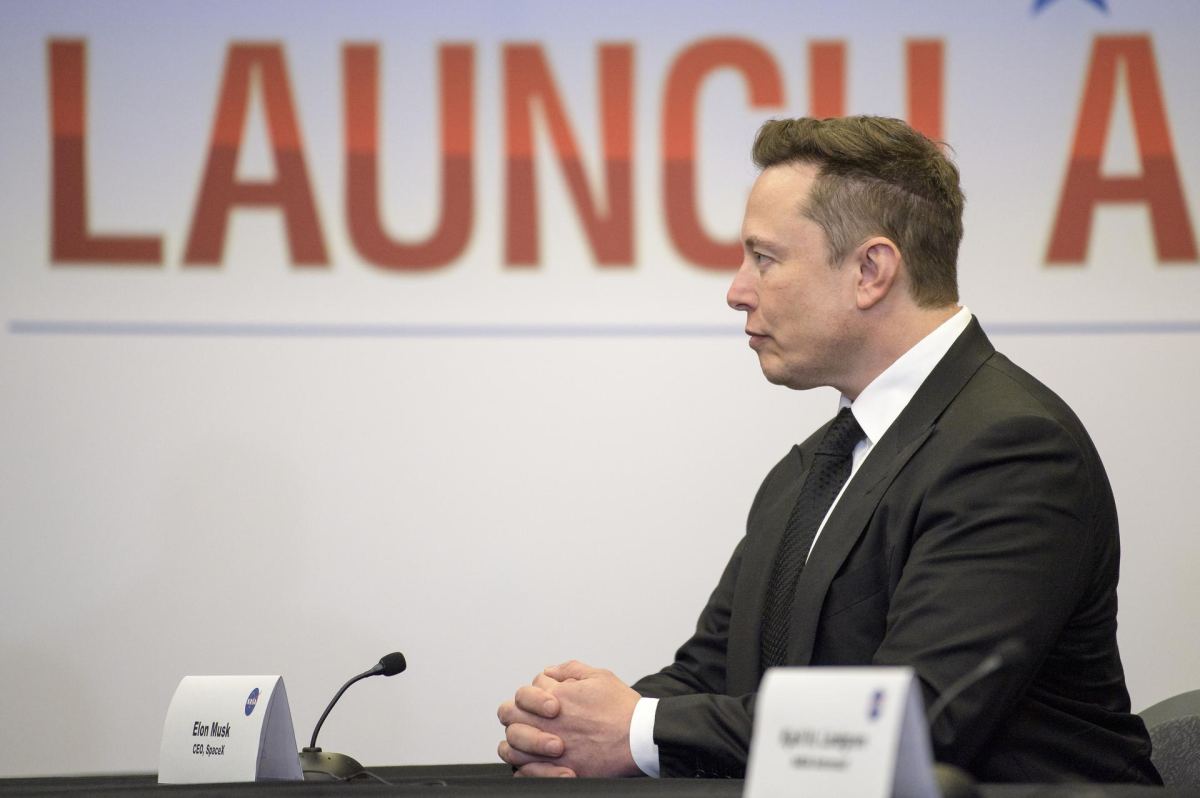
Elon Musk pledged on Thursday, November 26, to give children in the United States one SpaceX share every year, expanding his commitment to distribute stock to young Americans. The annual offer adds to an initial donation announced by the company, but its eligibility rules, future delivery dates and connection to Trump Accounts have yet to be fully set out.
SpaceX said on Wednesday that it would contribute one newly issued share of Class A common stock to every currently active Trump Account. Musk committed to matching the number of shares donated by the company from his own holdings. Together, those initial contributions would provide two shares for each account covered by the plan, with the stock coming from two different donors.
The corporate announcement defines recipients by the status of their accounts. Musk used broader language in his posts on X, referring to children throughout the country. His subsequent annual pledge does not establish a cutoff date for eligible recipients or a schedule for future years. Those details will determine how the expanded promise works in practice.
Two donors, with different delivery dates
Musk said SpaceX's contribution would be transferred in December 2026. The share from his personal holdings would follow when his stock lockup expires in June 2027, according to his statements reported by Reuters. Those dates concern the initial gifts. They do not establish a full timetable for his promise to make further donations every year.
The distinction between the donors also affects where the shares would come from. SpaceX is offering newly issued company stock, while Musk would contribute shares he owns personally. The company's release describes his commitment to match its donation; it does not announce a matching annual contribution by SpaceX.
SpaceX President and Chief Operating Officer Gwynne Shotwell has separately announced a personal gift of more than two million shares, the same release says. The company presents it as an additional initiative, without detailing how those shares would be allocated among accounts.
An automatically opened account still needs to be claimed
Trump Accounts are tax-advantaged individual retirement accounts created for eligible children. The Internal Revenue Service says the Treasury Department began automatically enrolling eligible children on October 1, 2026. Establishing an account automatically and enabling a family to manage it are separate steps in the process.
Current IRS guidance says a child must have a valid Social Security number and must not turn 18 before the end of the calendar year in which the account is established. For an account established in 2026, that means the child must have been born after December 31, 2008.
An authorized individual can claim the account through the Trump Accounts app. That person must verify their identity and authority to manage the child's assets, then complete the activation process. If Treasury has already opened an account automatically, the IRS says Form 4547 is not needed to open it again.
Those instructions explain access to the public program. SpaceX's release refers to currently active accounts, without specifying a cutoff date that would establish whether an account activated later will receive its stock. The release also does not set out the distribution mechanism for Musk's future annual gifts. Claiming an account and qualifying for a particular donation remain separate questions.
The federal $1,000 contribution has different eligibility rules
The program provides a one-time federal contribution of $1,000 for certain children. According to the IRS, eligible children must be US citizens, have valid Social Security numbers and have been born between January 1, 2025, and December 31, 2028. Those requirements apply specifically to the pilot contribution.
A child can have a Trump Account without qualifying for that federal payment. Likewise, the government contribution and shares promised by private donors are distinct benefits. Musk's announcement does not make the federal $1,000 contribution an annual payment or extend its birth-date eligibility window.
The IRS says the federal contribution must be requested even if Treasury opened the account automatically. An authorized person uses Form 4547 and selects the option for the $1,000 pilot program contribution. The form can be submitted through the Trump Accounts app, the official program website or an IRS Individual Account.
Donated stock comes with its own restrictions
Temporary Treasury and IRS regulations effective September 30 allow certain donations of publicly traded shares issued by US corporations. This route has specific requirements. It does not give account managers unrestricted permission to buy individual company shares using money already held in a Trump Account.
The regulations distinguish between receiving shares directly as a qualified stock contribution and using account funds to purchase investments. General funding contributions must also follow Treasury's acceptance procedures, with documentation identifying the donor, the eligible group of beneficiaries and relevant record dates. Stock contributions require additional information about the issuer and the shares being provided.
Shares received through this route generally carry a minimum holding period. It ends five years after the contribution or when the account's growth period ends, whichever comes first. The growth period ends on December 31 of the year the beneficiary turns 17. Exceptions allow certain transactions and transfers, so the five-year rule is not an absolute restriction in every circumstance.
The end of that holding requirement does not itself permit unrestricted withdrawals from the account. The rules address different actions: selling particular shares within an account and distributing assets to the beneficiary. Families receiving donated stock would still be subject to the account's applicable distribution rules.
A pledge is recorded differently from a completed contribution
The regulations specify that a contribution is made when the account receives it, rather than when a donor announces it or when Treasury first receives the assets. SpaceX's release and Musk's posts describe commitments to deliver shares; they do not establish that those shares have already reached children's accounts.
SpaceX also cautions that its planned contributions involve contingencies, risks and third-party and government approvals. Musk's expanded annual promise still needs operating terms defining recipients and delivery dates. For families, an allocation will be confirmed through the assets recorded in the relevant account, under the program's rules, rather than through the announcement alone.