Sheinbaum rejects DEA’s Sinaloa tip lines, urges US action on fentanyl
Mexico calls the reporting channels interference in its affairs, days after a major arrest carried out with US intelligence support.
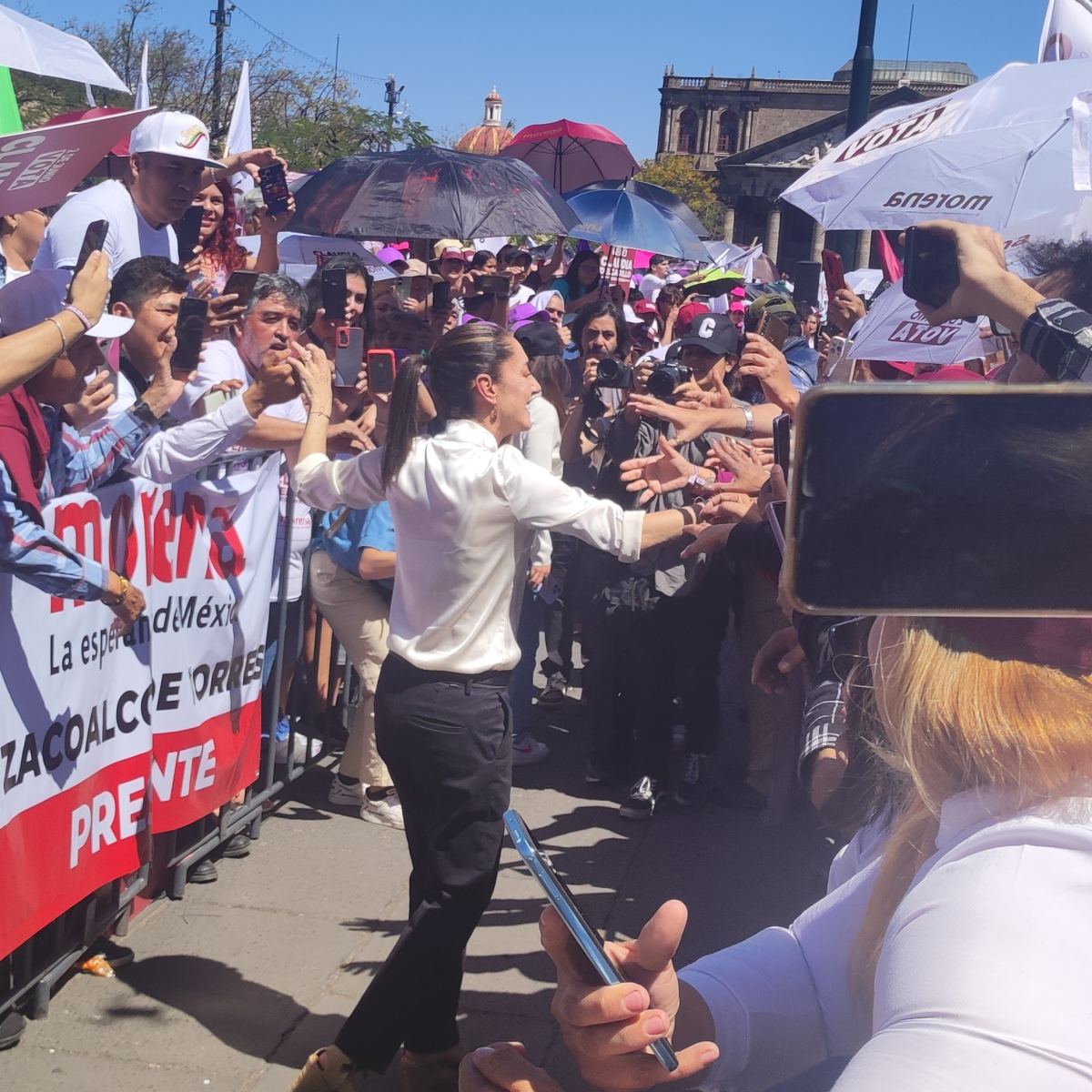
Mexican President Claudia Sheinbaum on Thursday, November 26, rejected new US Drug Enforcement Administration reporting channels seeking information on criminal networks and officials allegedly linked to them in Sinaloa. She called the initiative interference in Mexico’s affairs and urged Washington to do more to investigate fentanyl distribution and drug money within the United States.
Her protest followed an announcement by DEA Administrator Terry Cole inviting confidential or anonymous information through messaging applications and email. Mexico’s Security Cabinet subsequently backed Sheinbaum, saying the country already has institutions empowered to receive complaints, investigate crime and combat corruption.
The disagreement adds another dispute over sovereignty to a relationship that also includes operational cooperation. Just six days earlier, Mexican forces captured Fausto Isidro Meza Flores, known as El Chapo Isidro, in an operation for which Mexico requested US intelligence assistance, according to The Associated Press.
What the DEA wants people to report
Cole’s announcement sought information about three categories: members and associates of US-designated foreign terrorist organizations; government officials allegedly providing material support to those groups; and people or networks laundering money to finance their activities.
The first set of contacts is for Sinaloa and includes WhatsApp, Signal, Threema and a DEA email address. Cole also said he would publish channels for Jalisco and the Jalisco New Generation Cartel. That statement of intent does not, on its own, establish that those additional channels are already operating.
The appeal reaches beyond cartel leaders to the political and financial relationships that sustain criminal organizations. Cole presented public reporting as a way to expose corruption, disrupt financial networks and dismantle criminal groups.
His message promises confidential and anonymous reporting. It does not itself announce new charges against named individuals or an operation on Mexican soil. Sheinbaum’s objection concerns a foreign agency directly soliciting reports about matters she says should be investigated through Mexico’s own institutions.
Mexico insists on cooperation without subordination
At her morning news conference, Sheinbaum asked how the United States would react if Mexico’s security ministry opened a WhatsApp channel for reports of corruption in the US. Her comparison underscored her position that Mexican authorities are responsible for investigating crimes within their territory.
She argued that the DEA has substantial work to do at home. Her criticism focused on who distributes illegal drugs in the United States, where the proceeds go and what corruption allows those networks to operate on the US side of the border.
In its official response, Mexico’s Security Cabinet rejected unilateral actions and interference. It also reaffirmed its commitment to international cooperation based on respect for sovereignty, shared but differentiated responsibility, mutual trust and cooperation without subordination.
The statement did not announce a wholesale end to security cooperation. It objected to the mechanism the DEA had announced and called on each country to assume its own responsibilities. Interference is the Mexican government’s characterization of the initiative, rather than a court ruling on whether the reporting channels are lawful.
The fentanyl investigation behind the president’s criticism
Sheinbaum drew in part on an Associated Press investigation published on November 24. AP reported that the DEA allowed at least 1.4 million counterfeit fentanyl pills to go unseized while tracking a trafficking network between August 2024 and April 2025.
The news agency based its tally on court documents, investigative records, wiretap reports and 12 hours of surveillance footage. The controversy concerns a decision to continue monitoring a network in pursuit of larger targets while drugs remained in circulation.
The DEA had defended its decisions as lawful and coordinated with federal prosecutors. For Tuesday’s investigation, a spokesperson declined to answer detailed questions, citing an ongoing review by the Justice Department’s inspector general. That response is distinct from a final finding about responsibility for the conduct under scrutiny.
The events examined by AP took place in 2024 and 2025. Their publication this week, and Sheinbaum’s use of the findings, have renewed debate over how fentanyl is tackled inside the United States as well as efforts to prevent it from crossing the border.
El Chapo Isidro’s arrest shows cooperation is continuing
Meza Flores’s capture on November 20 illustrates the other side of the bilateral relationship. AP reported that the United States supplied a drone to help locate him at Mexico’s request. He had been on the FBI’s Ten Most Wanted Fugitives list.
Where he will ultimately face trial remains unresolved. In a statement dated November 24, Mexico’s federal prosecutor’s office confirmed a US extradition request but said he would remain in Mexican custody for the time being.
The prosecutor’s office said the request originated in the federal court for the District of Columbia and noted that he also faces investigations in Mexico. His initial hearing is scheduled to resume on November 28. Any extradition would depend on the bilateral treaty, its formal requirements and diplomatic timelines.
On Thursday, Sheinbaum said prosecutors and the Security Cabinet would have to assess which course best served peace and security in Mexico. She did not announce an immediate transfer or a final decision ruling one out. The extradition proceedings therefore remain separate from the argument over the DEA’s public appeal.
Shared problems, contested methods
The dispute brings together several connected questions: how to obtain intelligence on cartels, how to investigate the corruption that sustains them, how to stop drug distribution in the United States and how the two governments should work together.
The DEA is promoting direct reporting as a tool against criminal networks. Mexico is insisting that cooperation respect its institutions and sovereignty. According to AP, the US agency did not immediately respond to a request for comment on Sheinbaum’s remarks.
For now, cooperation on a major arrest and opposition to the tip lines coexist within the same relationship. The next developments will depend on official responses and how the announced channels are used, while Meza Flores’s case continues through its own judicial process in Mexico.