GTA 6 has over ten endings, its development chief says
Jason and Lucia’s relationship, criminal profile and savings help shape the ending. A spoiler-free introduction to GTA and its huge launch.
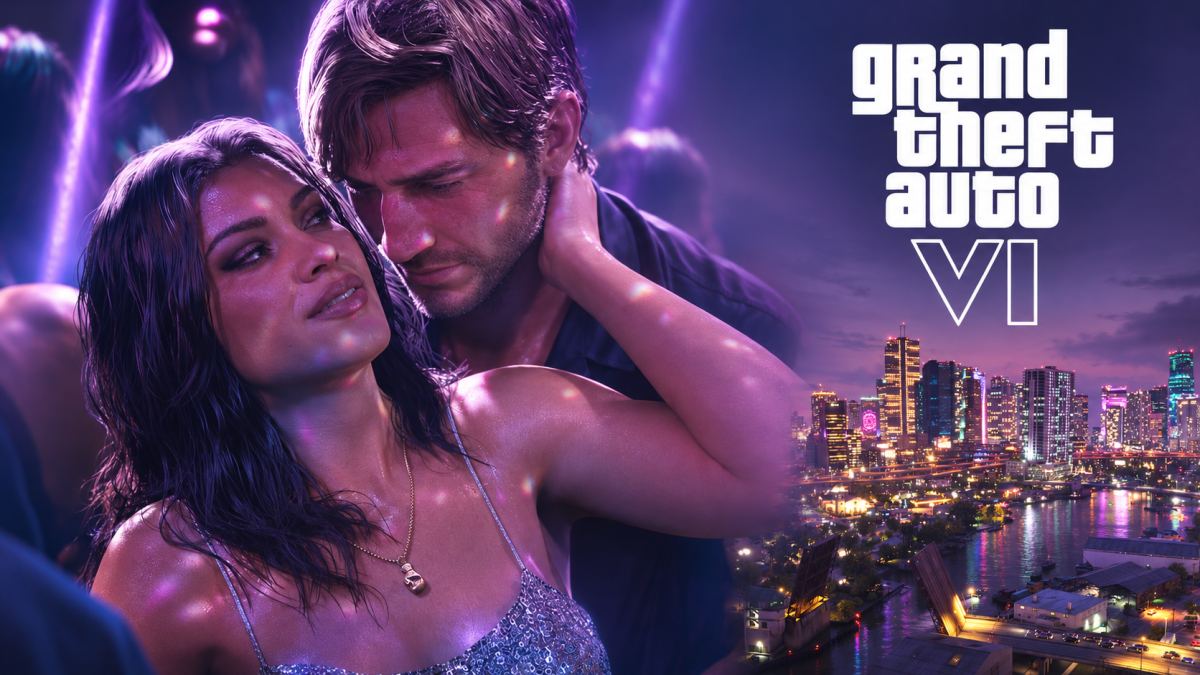
Grand Theft Auto VI has more than ten endings, development chief Rob Nelson told IGN Spain. Jason and Lucia’s story can change because of decisions made long before players reach its final scenes.
The game was released on November 19, 2026, for PlayStation 5 and Xbox Series X|S. Thirteen years after GTA V’s debut, its arrival brings together longtime fans, newcomers and people who recognize the initials without ever having played the series.
This article explains the systems that influence the ending without revealing final scenes or the characters’ fates.
What GTA is, and what an open world means
GTA stands for Grand Theft Auto, Rockstar Games’ action-adventure series built around crime stories. Its best-known feature is the open world: instead of moving only through a succession of enclosed levels, players can travel around a city and its surroundings, drive, explore and take part in activities alongside the main story missions.
That freedom allows players to alternate between pursuing the plot and spending time on what is happening around them. Driving, combat, characters and a satirical depiction of American life are parts of the same experience. The series contains violence and adult themes.
Grand Theft Auto III, released in 2001, was a milestone in the construction of those three-dimensional cities. GTA V followed in September 2013 and extended its presence through GTA Online, its multiplayer component. GTA 6 now begins another story, with new protagonists and a setting familiar to anyone who knows the name Vice City.
Jason and Lucia in Rockstar’s version of Florida
Vice City is GTA’s fictional version of Miami. In this installment it forms part of Leonida, a state inspired by Florida. The setting combines urban areas, the coast and other parts of that imagined territory; the story extends beyond a postcard of beaches and illuminated towers.
The official premise introduces Jason and Lucia as a couple trying to improve their circumstances through crime. A seemingly easy score goes wrong, pulling them into a conspiracy that stretches across Leonida. Surviving will require them to rely on one another.
Their bond also has a role in how the game works. The relationship the protagonists build is one of the systems that influence the narrative. Players develop that relationship alongside the robberies and chases, and its state can alter how a playthrough unfolds.
How many endings does GTA 6 have?
Mario Seijas, who reviewed the game for IGN Spain, wrote on November 18 that he had reached two endings in his own playthrough. When he asked Nelson how many different scenes could appear before the credits, he received a broader answer: there are more than ten endings, ranging from subtle variations to radically different outcomes.
Polygon’s conversation, published on November 20, supports that range of possibilities. Its writer, Giovanni Colantonio, had assumed that a choice between two options near the end of his playthrough represented the only available outcomes. Nelson explained that several endings existed, with some changing a piece of dialogue and others differing much more substantially.
The figure reported by IGN covers both small variations and substantially different conclusions. Nelson did not provide a complete list or a precise total in that conversation. He also resisted a straightforward division into good and bad endings, describing different outcomes shaped by how the player has approached the game.
Choices build up across the story
Speaking to Polygon, Nelson identified four factors that feed into the ending: decisions at branching points in the plot, the protagonists’ relationship, the criminal profile and the money accumulated in the family savings account by the time the credits roll.
The criminal profile reflects how the player behaves. According to that explanation, using lethal force in different situations can have an effect. IGN Spain also highlights Nelson’s distinction between acting professionally and resorting to excessive violence, as well as the potential consequences of neglecting Jason and Lucia’s relationship.
That gives decisions a role beyond selecting a response at the end. The state in which players arrive at that moment also counts. Choices made throughout the campaign, and how players engage with its systems, help shape the story.
In a separate interview with TechRadar, Nelson connected that approach to lessons from Red Dead Redemption 2. He explained that Rockstar wanted the world to respond more believably to players’ actions and encourage them to consider the consequences. The ability to approach situations without violence is part of that design.
Why the launch has become such a talking point
The commercial scale helps put the attention in context. On November 20, Rockstar announced that GTA 6’s worldwide first-day retail sales had reached $3.79 billion, based on company estimates through the end of November 19. The same release put GTA V’s lifetime shipments at nearly 235 million units.
The new installment therefore arrives after a prolonged wait and with an enormous existing audience. For some of those players, Vice City brings back a familiar setting. Others are interested in discovering how much freedom a game can offer within a story created by its authors.
Multiple endings add another reason to exchange experiences. Two people can finish the campaign and discover that their decisions produced differences. Comparing those outcomes keeps conversations about the characters alive even after the credits have rolled.
Exploring alternatives while preserving the surprise
Players who want to discover other paths can keep manual saves before decisive moments, as Seijas recommends in IGN Spain. That lets them revisit particular choices without always beginning again from scratch. The relationship, criminal profile and savings remain part of the state stored in that playthrough.
A save made close to the ending also preserves many earlier decisions. Changing only the last response therefore may not reveal every possibility Nelson described. Exploring a different way of behaving or developing the relationship may require returning to an earlier point in the journey.
For someone approaching GTA for the first time, that is one of this installment’s central ideas: traveling through Leonida means building a version of Jason and Lucia through decisions. The ending reflects part of that individual story. Knowing alternatives exist can enrich the experience without learning in advance what happens in each of them.