UN hunger warning expands to 16 hotspots as El Niño strains harvests
Central America and Southern Africa join an alert driven by drought, conflict and shrinking resources for food assistance.
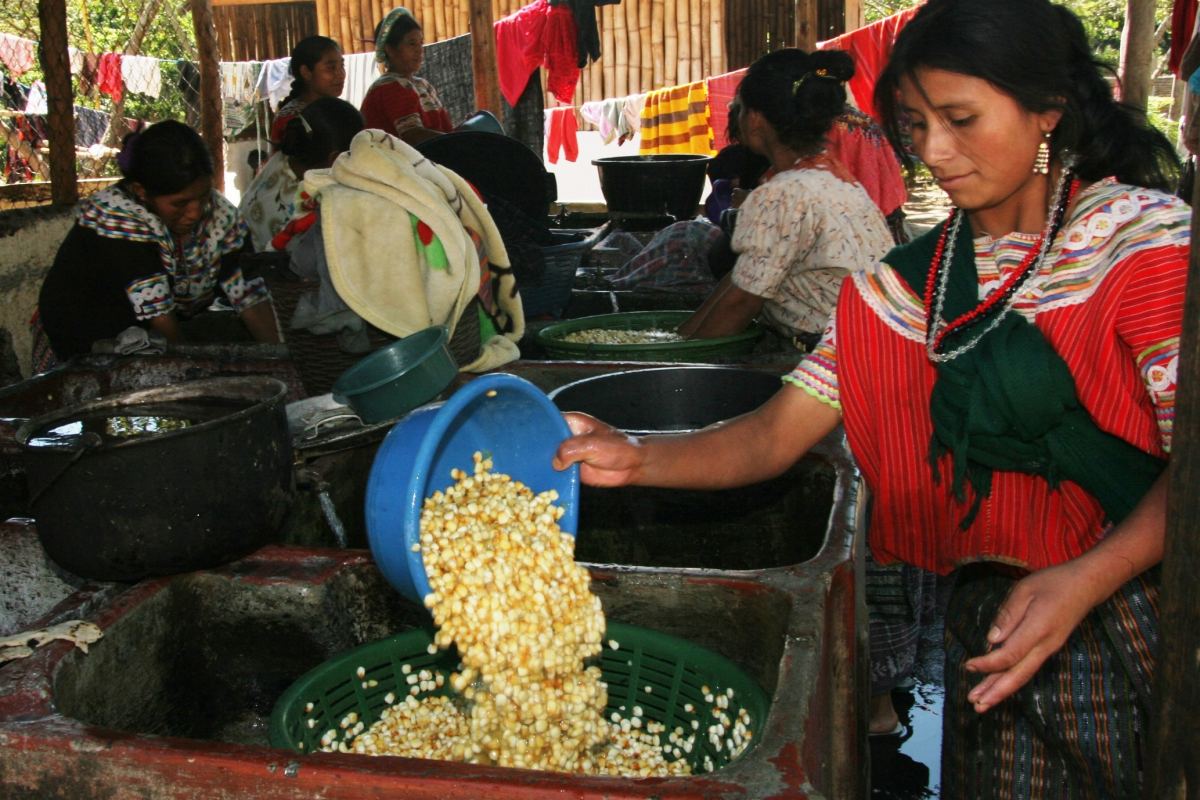
The UN's Food and Agriculture Organization (FAO) and World Food Programme (WFP) warned on Friday, November 27, that acute hunger could worsen across 16 crisis hotspots between December 2026 and May 2027. Drought linked to El Niño is adding pressure to communities already struggling with war, expensive food and shrinking humanitarian resources.
The latest Hunger Hotspots report adds the Central American Dry Corridor, a Southern African region spanning five countries, northeastern Uganda and Chad. With those additions and Lebanon leaving the list, the number of hotspots rises from 13 identified in June to 16. The assessment covers a mix of countries, parts of countries and regions that cross national borders.
Sudan, South Sudan, Somalia, northern Nigeria and Yemen remain at the highest level of concern. Conflict and violence are among the main drivers of deterioration in 12 of the 16 hotspots, forcing people from their homes, disrupting farming and markets, and obstructing the delivery of humanitarian assistance.
Central America faces the next lean season with fewer reserves
The Dry Corridor's first growing season of 2026, known as Primera, was the driest in four decades, according to the report. Between April and August, many western areas received just 30% to 60% of their usual rainfall. Crop losses exceeded 75% in affected areas, weakening the harvest on which rural households depend.
The damage reduces both the food families can store and the income they earn from farm work. Once their reserves run out, they need to buy maize and beans while food, fuel and transport costs are already squeezing household budgets. The agencies warn that the 2027 lean season, when stored food is depleted before the next harvest, could begin earlier than usual.
For Guatemala, the report cites a November 19 update under the Integrated Food Security Phase Classification (IPC), projecting about 3.2 million people in crisis-level hunger or worse between October 2026 and February 2027, including roughly 176,000 in emergency conditions. The estimate is 793,000 higher than the previous projection for the same period.
Recommended support combines food and cash assistance with drought-tolerant seeds, veterinary care, protection of water sources and temporary employment. In Honduras, the 2026 emergency drought appeal seeks $30.7 million for food security and nutrition interventions.
War restricts access to food in Sudan and Yemen
In Sudan, the report identifies a continuing risk of famine in 13 areas and displacement settlements across North Darfur and South Kordofan through January 2027, under a reasonable worst-case scenario. Conflict continues to undermine livelihoods and restrict the movement of people, supplies and humanitarian aid.
Drought is putting additional pressure on production. At the end of the rainy season, severe dry conditions affected up to 55% of cropland in Sennar and 70% in Gedaref, two important farming states, according to evidence cited by the agencies. Lower production and expensive fuel constrain access to food even where markets remain available.
In Yemen, violence that resumed in July has worsened supply problems and displaced more than 300,000 people by the end of October. The assessment for government-controlled areas projects 5.4 million people in crisis or worse between October and December 2026, including 1.8 million in emergency conditions. There is no equivalent recent assessment for Houthi-controlled areas.
Yemen's reliance on imports makes maritime disruption particularly consequential. The report warns that difficulties affecting Red Sea shipping could restrict essential supplies and increase import costs, while households are losing income and purchasing power. Those pressures compound the damage caused by fighting and restricted access for aid workers.
El Niño threatens planting across Southern Africa
The new Southern African hotspot covers Eswatini, Malawi, Mozambique, Zambia and Zimbabwe. Forecasts of below-average rainfall and higher temperatures coincide with the 2026-2027 planting and growing season. The effects could arrive before harvest through reduced agricultural employment, smaller planted areas and shortages of water for households and livestock.
The report cites projections of up to three million people facing high levels of acute food insecurity in Zimbabwe by March 2027. In Malawi, about 2.6 million are projected to face crisis conditions between October 2026 and March 2027; in Mozambique, 1.8 million are expected to face crisis or worse over that period.
Climate effects differ across regions. In parts of Eastern Africa, additional rain could benefit crops and pasture while increasing the danger of destructive flooding. The agencies recommend anticipatory measures suited to local conditions, rather than treating every country exposed to El Niño as facing the same agricultural risks.
Hunger classifications describe different levels of severity
The IPC uses five phases. In phase 3, known as crisis, households already face serious difficulty meeting food needs or maintain consumption by selling assets and sacrificing resources they will need later. Phase 4 describes a more severe emergency.
Phase 5 distinguishes catastrophe at the household level from famine across an area. An area-level famine classification requires evidence about extreme food deprivation, acute malnutrition and mortality. Households can face catastrophe without the whole region being classified as experiencing famine. The report uses these distinctions to identify where deterioration could be most severe and what support different populations require.
Funding falls as severe crises return
The five countries now at the highest level of concern have repeatedly appeared in that category since 2022. Yet recorded humanitarian funding for food security and nutrition in those five countries fell by approximately 62% between 2022 and 2025, the report says. Reduced resources make it harder to sustain improvements and respond when conditions worsen again.
Afghanistan, the Democratic Republic of the Congo, Haiti and Palestine are classified at the next level, of very high concern. For the Palestinian territories, the agencies note improvements following the October 2025 ceasefire in Gaza but describe those gains as fragile, with needs still severe.
FAO and WFP are calling for safe access to affected communities, sustained funding and agricultural support delivered before planting windows close. Their recommendations include providing seeds, protecting livestock and expanding food assistance. Acting before reserves are exhausted could help families avoid selling the productive assets they would otherwise need to recover from another poor season.