Iran vows to counter US blockade and keeps its conditions for reopening Hormuz
Tehran links reopening the strait to an end to hostilities, the lifting of the blockade and sanctions relief. Naval notices and energy data show how the dispute reaches ports, cargoes and supply routes.
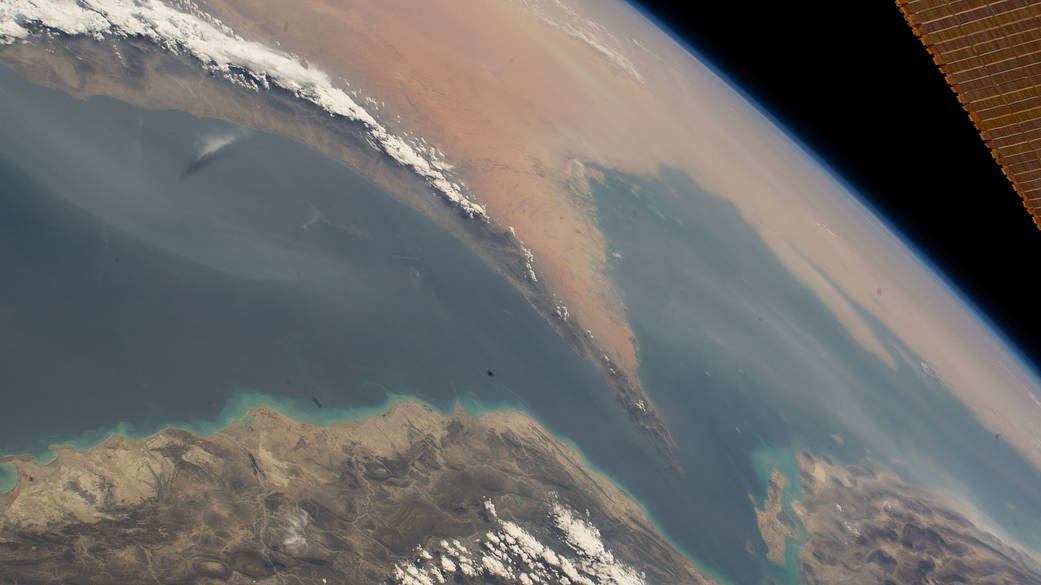
Iran will use all its resources to counter the US naval blockade, Foreign Ministry spokesperson Esmaeil Baghaei said Monday, November 23. At his weekly news conference, he maintained Tehran’s conditions for reopening the Strait of Hormuz, a vital outlet for energy exports from the Persian Gulf.
Baghaei described the blockade as military aggression and defended Iran’s right to respond, according to Reuters. His remarks set out the Iranian government’s position in a confrontation involving restrictions on ports, threats to shipping and negotiations over the conditions for restoring passage.
Tehran demands that Washington halt hostilities, lift the blockade and remove the sanctions it disputes. The spokesperson said Iran could meet its commitments quickly if the United States fulfilled those conditions. The reopening he described remains dependent on political and military decisions by both sides.
A conditional promise to restore passage
Asked about the possibility of quickly restoring security in Hormuz, Baghaei insisted that Iran’s requirements must first be met. In state broadcaster Al Alam’s account of the briefing, he said that promise did not mean overlooking the operation’s complexities. He presented the demands as Iranian rights and commitments that Tehran says Washington accepted in the June understandings.
That position continues to tie shipping to negotiations over the conflict. An expression of readiness to act quickly leaves the arrangements for implementation, agreements between governments and instructions to vessels unresolved. Cargoes bound for Iranian ports also remain subject to the rules of the American operation.
Asked about reports of vessels loading Iranian oil, Baghaei called them speculation. Reuters noted that TankerTrackers.com had reported a possible loading operation through a ship-to-ship transfer last week. The spokesperson did not confirm that the operation had successfully exported crude through the blockade.
US rules cover ports and the origin of cargo
The Joint Maritime Information Center, or JMIC, published an update on November 18 containing instructions from US naval forces. The document dates enforcement of the current blockade to July 14, 2026, and describes its reach over Iranian ports and coastal areas.
Under those instructions, the restrictions apply to vessels of any flag entering or leaving the blockaded area without authorization. The notice provides for interception, diversion or capture. It also states that neutral passage through Hormuz to non-Iranian destinations can continue, although ships may be searched to establish their cargo and destination.
The update includes ship-to-ship transfers. A vessel receiving Iranian-origin cargo from another ship subject to the blockade may be considered to be evading it, even if the receiving vessel has not entered Iran. The origin of the cargo therefore matters alongside the ship’s physical route.
Reuters describes restrictions first imposed in April, lifted in June following a provisional understanding and restored in July after that process collapsed. Monday’s Iranian warning concerns that latest phase, whose enforcement continues to shape trade with the country’s ports.
Humanitarian exceptions require authorization
The US naval notice provides an exception for food, medical supplies and other goods essential to the civilian population. Passage requires prior review by the US Navy. Approved vessels remain subject to inspection, making the exemption a controlled process for each shipment.
The rules affect owners, operators and charterers who must identify the goods and their destination. For communities dependent on maritime supplies, the formal possibility of receiving essential goods is tied to shipments meeting those requirements and being able to complete their voyages.
In its November 18 advisory, JMIC rated the regional security threat as severe. It warned of a sustained naval presence, checks and communications between military forces and ships, possible hostile activity and congestion near anchorages. Authorization to make a voyage comes within that dangerous operating environment.
Official figures show the decline in energy transport
The US Energy Information Administration, or EIA, provides a measure of the disruption. In energy security tables published November 16, it estimated that crude oil and petroleum liquids moving through Hormuz averaged 9.1 million barrels a day in the third quarter of 2026. The average had been 21.6 million barrels a day in the final quarter of 2025, before the war.
The same release puts second-quarter 2026 volumes at 5.1 million barrels a day. The subsequent increase shows a partial recovery between those periods, while remaining below the prewar level. These are quarterly averages through September, which measure something different from a snapshot of ships passing on Monday.
Liquefied natural gas also appears in the tables. The EIA estimates that LNG movements through Hormuz averaged 1.4 billion cubic feet a day in the third quarter, compared with 10.5 billion in the final quarter of 2025. Disruption to the route therefore affects the transport of both oil and gas.
Tracking vessels carries its own uncertainty
The EIA warns that Automatic Identification System, or AIS, signals have become especially unreliable in Hormuz since late February 2026. Signals may be switched off or manipulated to obscure cargo origins, evade sanctions or respond to security risks during a voyage.
To estimate volumes, the agency supplements commercial tracking records with information about loading ports, destinations and routes. It also revises its figures as new information emerges. That limitation calls for caution when drawing conclusions about oil volumes solely from the number of visible signals.
The naval notices help explain why the dispute encompasses both passage through the strait and the ability to load or unload in Iran. A cargo may face checks because of its origin, destination or a previous transfer between vessels. Those requirements form part of the situation in which Tehran demands an end to the blockade.
Baghaei made the promise of swift action contingent on Iran’s conditions being met. While those negotiations remain unresolved, American instructions maintain control over maritime trade with Iranian ports. Official estimates through September document the decline the energy route suffered during the war.