Molly Meldrum, the Countdown presenter who championed Australian pop, dies at 83
His family confirmed his death on Monday. Victoria is preparing a state funeral for the journalist and producer whose television work introduced Australian acts and international stars to a nationwide audience.
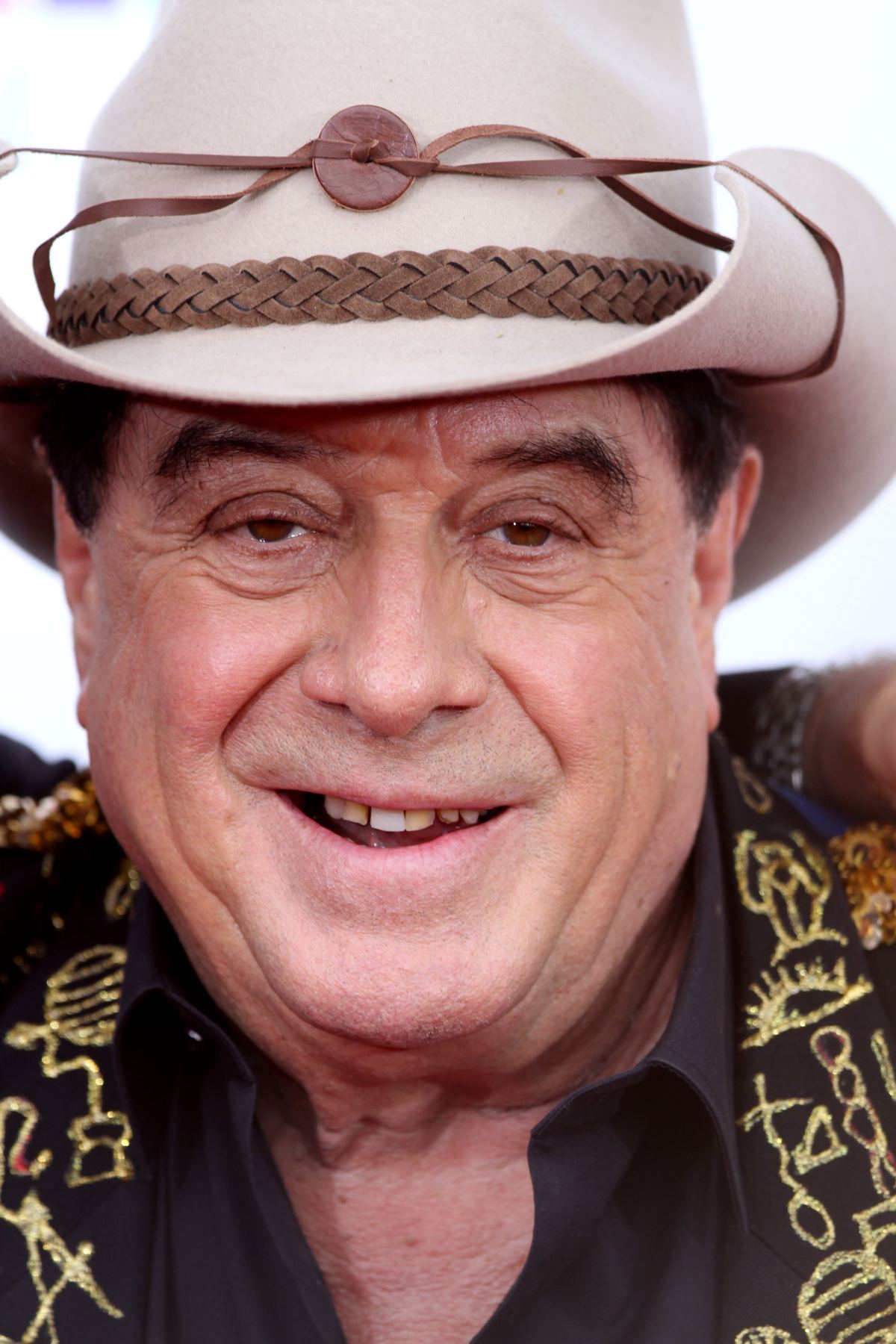
Ian “Molly” Meldrum, the music journalist, producer and one of Australian television’s most recognizable figures, died on Monday, November 23, aged 83. His family announced his death through Profile Talent Management. For more than a decade, his enthusiasm on the ABC music show Countdown helped shape the listening habits of a generation.
Victoria’s premier, Ben Carroll, said the family had accepted his offer of a state funeral. Details of the tribute will be announced later. The family statement spoke of the affection of his longtime partner, Yan Wongngam, and those closest to him, and remembered his role as a champion of Australian music.
The ABC and the Australian Recording Industry Association, ARIA, paid tribute to his influence on both sides of the camera. Meldrum recommended records, secured interviews and backed artists still looking for a break. His career had begun before color television changed the way music was presented in Australian homes.
The show that brought a country together
Countdown began on November 8, 1974, and ended on July 19, 1987. Australia’s National Film and Sound Archive, or NFSA, documents how it settled into its familiar Sunday slot at 6 p.m., combining studio performances, music videos, interviews and a countdown of the national hits.
The public broadcaster’s reach meant that the same performance could be seen in major cities and small towns. For Australian bands, a spot on the show opened up an audience far beyond the local gig circuit. AC/DC, Skyhooks, John Paul Young, Sherbet and Marcia Hines were among the acts it helped bring to national attention.
Meldrum coordinated appearances and became an informal host whose delivery retained a fan’s enthusiasm. His record recommendations became associated with the catchphrase do yourself a favour, an invitation to listen to something he had just discovered. The ABC recalled on Monday that the expression had become part of the national vocabulary.
The show also gave guest musicians a turn at presenting. Its mixture of performances, conversation and new releases allowed viewers to get to know artists beyond a single song. Meldrum’s industry contacts helped sustain that exchange between visiting international stars and Australian performers.
What ABBA and Blondie gained from music television
Promotional videos allowed Countdown to feature international performers without requiring them to travel to Australia for every appearance. The national archive highlights Meldrum’s role in the country’s enthusiasm for ABBA. He repeatedly played Lasse Hallström’s promotional film for Mamma Mia as the song climbed to the top of the Australian charts.
Blondie offered another example of the connection between television and record sales. According to the NFSA, Meldrum saw the band in New York in 1977 and received videos for its first singles. He chose In the Flesh and played it across six episodes. The song reached No. 2 in Australia, helping the band establish an international following.
That work put Meldrum at a meeting point between different audiences. He could introduce an overseas act to Australian households and, in the same program, give a local band a chance to be heard nationwide. In its tribute, ARIA recalled his insistence that Australian musicians could stand alongside major British and American artists.
From Go-Set to the recording studio
Meldrum started writing for the music magazine Go-Set in 1966. Three years later, he had produced a No. 1 record with Russell Morris’s The Real Thing, according to ARIA’s account of his career. His work in print and in the studio came before the familiar image of the television presenter in a hat.
Record production remained part of his career. The industry association also credits him with hits for Ronnie Burns, Colleen Hewett, Supernaut and the Ferrets. His understanding of how records were made accompanied his work as an interviewer and his search for performers to recommend on television.
After Countdown, he continued appearing on other programs, including Hey Hey It’s Saturday. He also hosted Oz for Africa, the Australian concert associated with Live Aid in 1985. In remembering him on Monday, the NFSA highlighted that combination of broadcasting, production and support for charitable causes.
Recognition from the industry and his colleagues
In 2014, Meldrum and Countdown entered the ARIA Hall of Fame together. He became the first non-recording artist to be inducted. The honor followed the Special Achievement Award the association had given him in 1993 for services to the music industry.
When his induction was announced, Kylie Minogue recalled families gathering around their television to watch him interview their idols. Her tribute in 2014 reflected a bond with viewers that had survived long after the show ended. The ceremony honored his work as a journalist, presenter and record producer.
ABC managing director Hugh Marks said on Monday that Meldrum had changed the way Australians experienced music and the way celebrities were interviewed. Lachlan Macara, head of the ABC radio networks triple j and Double J, emphasized his ability to spot talent and support Australian artists.
The gaps in a television legacy
The television record of Meldrum’s career remains incomplete. In its account of Countdown’s 50th anniversary, published in 2024, the NFSA put the total number of episodes at 563 and said more than 180 from the first six years were missing. Lost and erased tapes affected many music programs of that period.
The archive continues to share recovered clips and other material that helps piece together the show’s history. The ABC announced a selection of Classic Countdown on its iview service in Meldrum’s memory on Monday. As his family prepares a public tribute, those recordings preserve him doing the work that made him a national figure, introducing a song and persuading other people that it deserved to be heard.