Renfe drivers move strike to November 23 after railway safety decree
Semaf postponed the November 12 protest to allow negotiations to continue and kept a sector-wide strike for November 17, after a day of disruption.
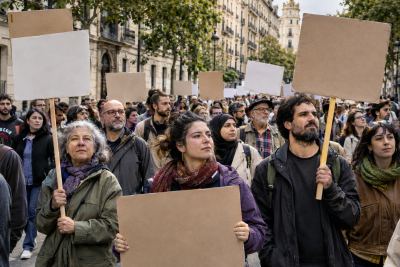
Spain’s train drivers’ union Semaf moved a strike at the Renfe group from November 12 to November 23 after the government approved a decree-law on railway safety and social protection for workers in the sector. The decision followed a day of stoppages that disrupted services across Spain on November 10.
The union maintained its call for a general strike across the railway sector on November 17. According to the union, the change is intended to leave room for negotiations over outstanding commitments without abandoning industrial action.
The talks come amid heightened attention to rail safety, two weeks after two high-speed trains collided near Urda, Toledo, killing 69 people. The investigation continues. The November 10 strike had been called over labor and safety demands that predated the collision.
A new date and another strike still planned
Semaf said it would replace the November 12 Renfe stoppage with one on November 23. The union considered approval of the measure progress toward fulfilling earlier agreements and said it would allow talks to continue over the coming days.
The November 17 call has a different scope: it covers the railway sector as a whole. With several protests and operators involved, passengers need to check their routes and the communications of the company from which they purchased their tickets.
Postponing the Renfe strike also does not amount to a final agreement on every demand. Semaf says commitments remain outstanding and it will maintain pressure while negotiations continue.
What the safety decree contains
On November 10, the Council of Ministers approved a decree-law aimed at strengthening operational safety and social protection for railway professionals. It was published in the Official State Gazette on November 11. Most provisions took effect that day, while Article 1 will take effect on May 11, 2027.
One provision clarifies which activities count as driving time. According to the union’s description and reporting by El País, they include moving maneuvers, interruptions during which the driver remains responsible for the train, and periods of less than 45 minutes between driving activities.
How that time is counted affects driving limits and rest periods. The Transport Ministry and unions agreed in February to change the rules so stops of less than 45 minutes count as effective driving time; implementation of commitments has been a source of dispute.
The decree also strengthens the State Railway Safety Agency’s oversight and inspection powers. It provides confidential channels for reporting risks and recognizes the possibility of stopping or not starting a journey in a situation of serious and imminent danger, with an obligation to inform those responsible.
Another section addresses social protection and coefficients that can lower retirement age in certain railway activities. Applying those provisions will require the steps set out in the decree.
Disruption on November 10
Renfe reported uneven effects on its services during the November 10 strike. The company put participation at 19.6% of workers eligible to join across the night and morning shifts. That company figure does not necessarily represent the entire day.
The operator reported incidents on several commuter networks and alleged failures to observe minimum-service requirements. Medium-distance and Avant trains were also affected. El País reported blockages on several commuter lines in Madrid and Barcelona’s Rodalies network.
For passengers affected that day, Renfe said it had made ticket changes and cancellations available at no charge. The company said it would communicate alterations by text message or email using the contacts associated with bookings.
Remembering the victims at Urda
As the strike took place, Toledo Cathedral held a funeral on November 10 for the 69 people killed in the October 28 collision. Residents of Urda placed 69 candles in memory of the victims, and King Felipe VI and Queen Letizia attended, RTVE reported.
After the accident, the government approved a €30 million package on November 3 for assistance and advance payments to victims and families. It also announced safety reviews and support for those affected. Discussion of the railway’s future will continue through negotiations among the ministry, companies and workers, as well as the conclusions of the investigations.