Spain’s general strike brings roadblocks and protests over housing and wages
Unions and employers offered differing preliminary assessments of the 24-hour stoppage, called less than three weeks before the election.
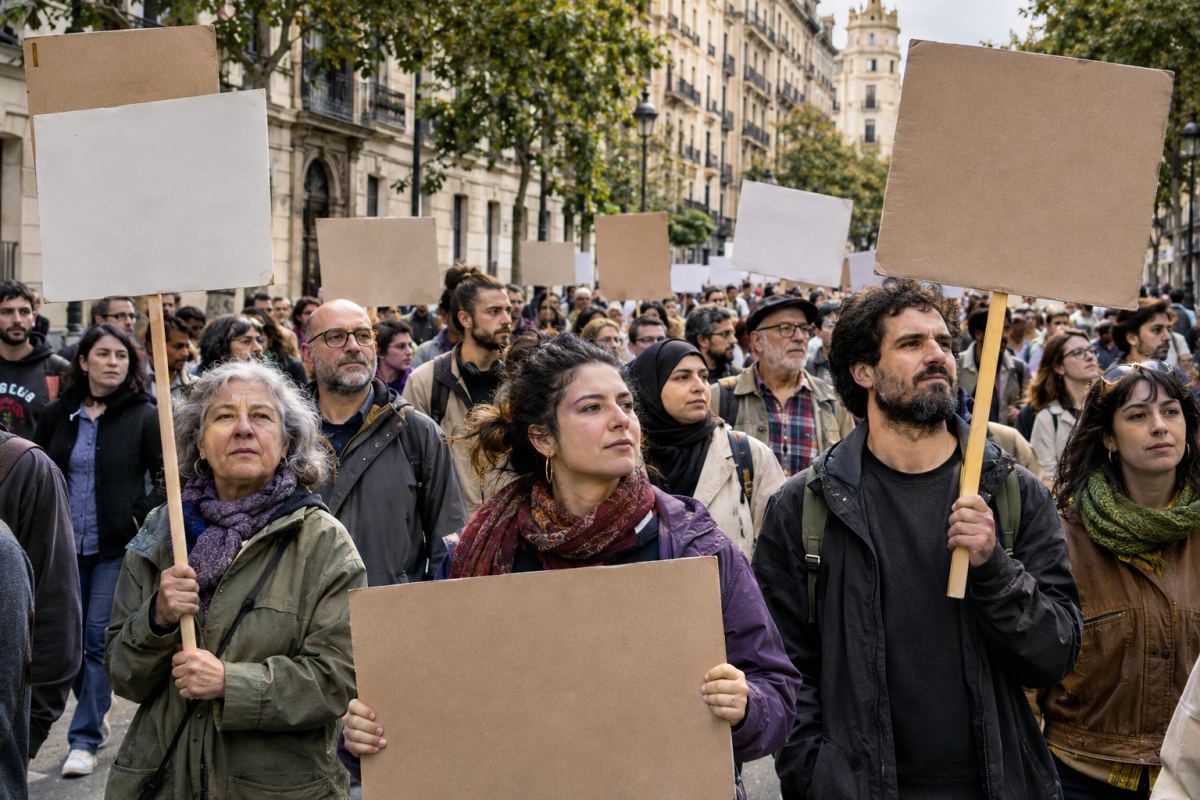
Spain saw a 24-hour general strike on November 11, called by unions and tenants’ organizations seeking higher wages and action on rising housing costs. The day brought roadblocks, transport disruption and demonstrations in several cities, while workers’ and employers’ organizations offered different assessments of participation.
Unai Sordo, general secretary of Workers’ Commissions (CCOO), and Pepe Álvarez, leader of the General Union of Workers (UGT), called the strike a success. The Spanish Confederation of Business Organizations (CEOE) and Cepyme said activity was proceeding normally in most sectors and regions, according to their preliminary information.
As the strike continued, no final participation figure was available. A main demonstration was planned in Madrid in the afternoon, with marches and gatherings organized elsewhere. Figures released during the day came from parties with different interests and concerned specific sectors or regions.
Housing and wages at the center
CCOO and UGT formally called the stoppage alongside other unions and the Confederation of Tenants’ Unions. Organizers are seeking solutions to the housing affordability crisis, wage improvements and advances in labor and social rights, UGT said when it presented the initiative.
The call drew momentum from public mobilization over rents and access to affordable housing. The unions also cite the absence of a general agreement with employers to guide wage bargaining across sectors.
It was the first nationwide general strike jointly called by CCOO and UGT since 2012, according to Europa Press. Other organizations called general strikes in subsequent years. The November 11 stoppage covered public and private activities and, according to the notice published in the Official State Gazette, was scheduled from midnight to midnight, with adjustments for shift workplaces.
Disruption and competing accounts
The first informational pickets began during the night and early morning. Cadena SER reported roadblocks and disruption to industrial shifts. At Mercamadrid, one person was arrested and at least 13 needed medical attention during police charges, according to RTVE.
CCOO and UGT leaders denounced police conduct at some Madrid picket lines and said they would take the matter to court.
The unions highlighted substantial participation in several activities, while CEOE and Cepyme described a low level of participation across much of the business sector. The employers’ organizations said their assessment was based on information gathered from regional bodies, sectors and affiliated companies through midday.
The different estimates did not establish a single national participation rate. Conditions varied across industries, services and regions, and some workers must maintain services considered essential during a strike.
Transport and essential services
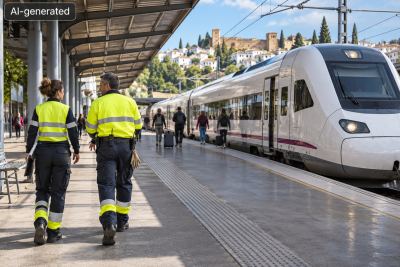
The mobilization affected road travel and public transport. Passengers were advised to check their specific services because traffic and frequencies depend on the operator and region.
Authorities established minimum services in essential activities. These included electricity supply, for which an order published in the Official State Gazette established staffing needed to protect people, facilities and the electricity system.
The general strike is separate from the dispute involving Renfe train drivers. The Semaf union had called a specific stoppage for November 12 and announced on November 10 that it would move it to November 23 following approval of a railway safety decree. It also maintained a sector-wide strike call for November 17.
A protest before the election
The strike took place less than three weeks before the November 29 general election and before the campaign began. The approaching vote added a political dimension to a protest that organizers said was focused on the cost of living and housing.
Employers’ organizations questioned the strike and called it electoral. Unions rejected that interpretation, saying their demands concerned labor issues and were directed at all levels of government and those involved in housing decisions.
Afternoon demonstrations were expected to form another visible part of the day. Their attendance and the evolution of the strike would become clearer as the mobilization ended and organizations and authorities issued their assessments.