Apple revenue rises 12% on iPhone and services growth, but holiday margins face pressure
The company reported fiscal fourth-quarter revenue of $114.5 billion and warned that memory costs and Siri AI would weigh on margins.
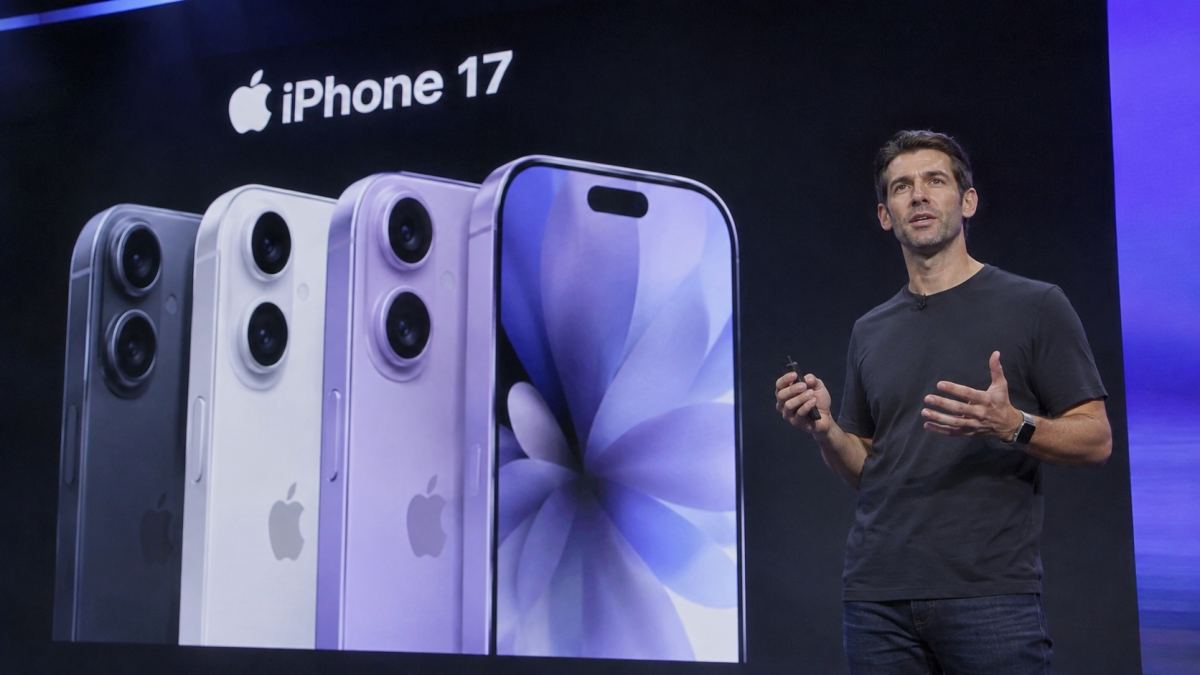
Apple ended its fiscal year with revenue growth driven by the iPhone, Mac computers and digital services, in its first earnings report under John Ternus. The company generated $114.5 billion in revenue for the quarter ended September 26, up 12% from a year earlier and above Wall Street forecasts.
Net income reached $30.71 billion, compared with $27.47 billion a year earlier, according to The Associated Press. Diluted earnings per share were $2.10, up 14% year over year. The company said the result included a five-cent-per-share benefit related to tariff refunds.
Although sales exceeded analysts' expectations, Apple warned that higher memory prices and spending associated with the rollout of Siri AI would put pressure on gross margin in the quarter ending in December. Its shares fell in after-hours trading as the company outlined its outlook.
The report provides the first financial snapshot of the company since Ternus became chief executive in September. He succeeded Tim Cook at a time of new investment in artificial intelligence and pressure on the cost of components used in both devices and data centers.
iPhone and services underpin growth
iPhone sales reached $57.6 billion during the quarter, up 17% from a year earlier, Apple told investors. That was a record for a September quarter and accounted for roughly half of the company's total revenue for the period.
The company attributed the increase to strong demand and said sales grew at a double-digit rate in both the United States and Greater China. The quarter included part of the September launch of new phones, rather than a full selling season for those models.
Mac sales reached $10.8 billion, a year-over-year increase of 24%. Apple attributed part of that growth to demand for its laptops. The company said both phones and computers had faced supply constraints during the period.
Services, which include subscriptions, storage, payments and other digital activities, generated $31.6 billion, up 10%. It was the division's highest quarterly revenue on record. The business allows Apple to generate revenue from device users beyond the initial sale of a phone or computer.
Not every category grew. iPad revenue fell 10% to $6.2 billion, while wearables, home and accessories revenue declined 8% to $8.3 billion. Apple cited iPad supply constraints and comparisons with product launches a year earlier.
Higher revenue, but pressure on margins
For fiscal 2026 as a whole, Apple reported revenue of approximately $479 billion, an annual record for the company. The September quarter was the fourth quarter of that fiscal year, which ended on September 26; it should not be confused with the fourth quarter of the calendar year.
The results also benefited from tariff refunds. Apple estimated that these lifted quarterly gross margin by about one percentage point and added five cents to earnings per share. Reported gross margin was 47.9%.
Gross margin shows the share of revenue remaining after the direct costs of products and services are deducted, before other expenses. Investors track it because revenue growth alone does not guarantee that a company retains the same proportion of each sale.
Apple expects gross margin of 45% to 46% for the December quarter, AP reported. The company linked that outlook to higher memory costs and spending related to Siri AI. This is a forecast rather than a result already achieved, and the year-end period is typically important for device sales.
According to AP, analysts surveyed by FactSet had expected approximately $113.4 billion in revenue and earnings of $1.99 a share for the September quarter. Apple beat both averages, although expectations for the coming quarter and costs also shaped the market's reaction.
Ternus takes over amid the AI challenge
Ternus took the top job after leading hardware engineering. His first report comes amid intense competition to bring artificial intelligence to phones, computers and services, as major technology companies commit large sums to infrastructure and models.
During the presentation, the new chief executive highlighted the rollout of Siri AI and said the company had expanded the beta version in October to several languages, including Spanish and Japanese. Apple also said its installed base exceeded 2.5 billion active devices.
Memory availability will be a factor in the coming months. If components become more expensive or cannot be obtained in sufficient quantities, Apple could face higher costs or limited availability of certain devices even when demand exists. The company has already said some product lines faced constraints during the reported quarter.
Apple also announced a quarterly dividend of $0.27 per share, payable on November 16 to shareholders of record at the close of business on November 12. That return to shareholders follows a quarter in which the company said it generated about $28 billion in operating cash flow.
The next results will show whether demand for new devices and the expansion of services can offset rising costs. For now, the fiscal year ended with record revenue and a warning of narrower margins in the holiday quarter.