California keeps counting mail ballots after Trump administration’s procedural setback
The Ninth Circuit dismissed an emergency appeal to set aside ballots linked to about 20,000 people. A district judge has yet to rule on the underlying request.
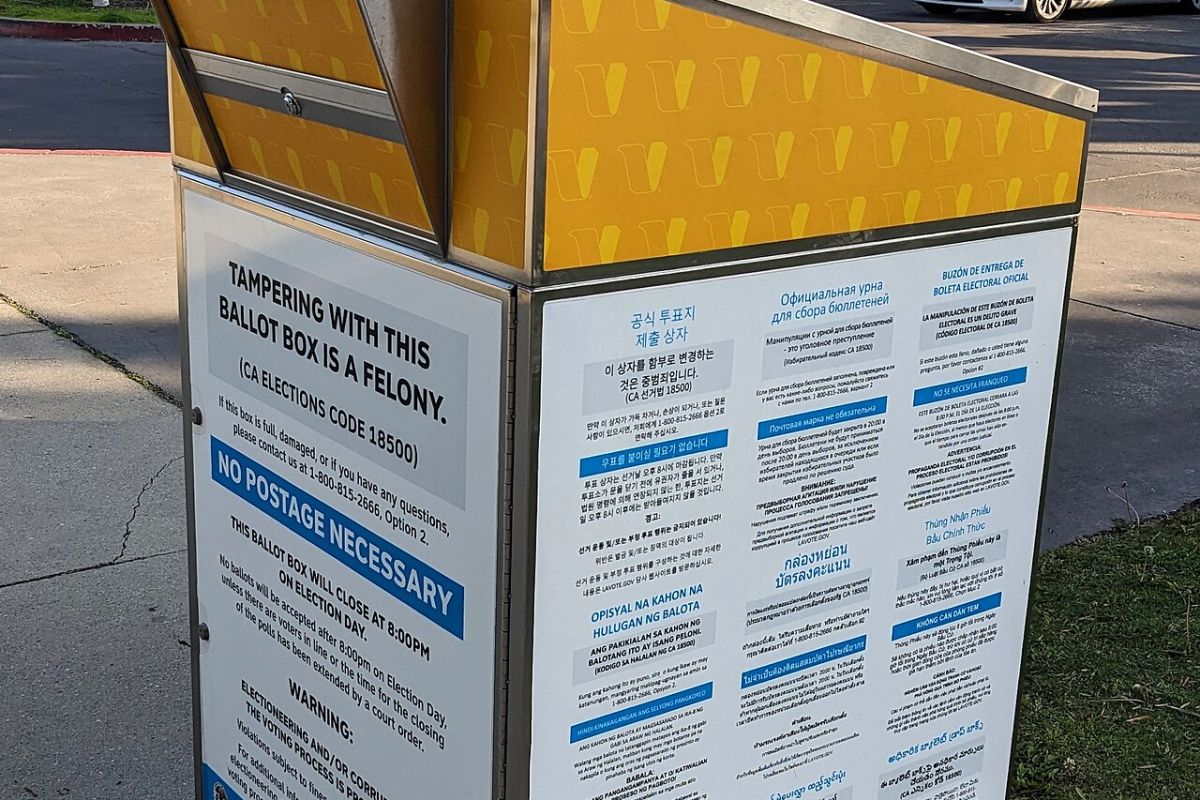
California's dispute over mail ballots returned Monday to the courtroom where it began. A federal appeals court dismissed the Trump administration's emergency appeal to set aside ballots associated with roughly 20,000 people whom the Justice Department says may not be U.S. citizens. The court said it lacked jurisdiction at this stage. It did not decide whether those people are eligible to vote or establish that they are noncitizens. A district judge had scheduled a hearing on the government's request for Tuesday, October 27, one week before the November 3 federal election.
Three separate questions lie at the center of the case: the rule barring noncitizens from voting in federal elections, the accuracy of the government's list and a court's power to change ballot processing while an election is underway. The first rule is not in dispute. California argues that the administration has not shown that the people on its list are noncitizens or that their ballots should be segregated on the basis of a suspicion.
What the Justice Department requested
The administration filed suit in mid-October. It says it identified about 20,000 people on California's voter rolls who probably do not meet the citizenship requirement. It asked election officials to separate ballots associated with those names and check each person's status before including the vote in the count. A designation as “likely” does not amount to a final, individual determination of citizenship or voting eligibility.
California mails a ballot to every registered voter. That makes the timing of the case especially consequential: envelopes had already gone out and election officials were processing votes when the government sought emergency relief. Documents cited by the appeals court say Los Angeles County had processed more than 331,000 ballots since October 5. Once a ballot is separated from its envelope to protect the secrecy of the vote, identifying and removing that ballot may be impossible.
State and local authorities reject the claim that they are knowingly counting votes from ineligible people. County lawyers have also pointed to problems with the federal list. According to court filings reported by U.S. news outlets, a review of 200 records found many registrations that were canceled or inactive, as well as people who appeared to have been born in the United States. That sample was presented in the litigation; it was not a full audit of all 20,000 names. The Justice Department, for its part, argues that counting potentially unlawful ballots would harm the integrity of the election.
Why the appeal failed
The Justice Department first asked U.S. District Judge David Carter for a temporary restraining order. The government wanted a decision before November 3; Carter set a hearing for October 27 and said he would rule promptly after hearing both sides. Before that hearing took place, the administration went to the Ninth Circuit, arguing that the absence of an immediate ruling effectively denied its request.
The appeals court majority did not accept that procedural argument. It found that the district judge had not been given an adequate opportunity to decide the matter, so there was not yet an appealable order. The dismissal rested on the appellate court's jurisdiction, not on a final determination about the voting rights of the people on the list. One judge dissented, saying the urgency warranted intervention. Other judges also raised doubts about the government's legal theory and the risks of changing election rules so late in the process.
Timing was central to the majority's reasoning. The ruling noted that the government initially proposed waiting until Election Day for an order, then later asked the district judge to act within hours. The judges observed that voting and preparations for counting were already underway. A change made before the evidence is fully examined could affect people who are entitled to vote.
The issue still before the district court
The focus now returns to the district court hearing. Lawyers will argue over the reliability of the federal data, the Justice Department's authority, the harm it alleges and the practical consequences of setting ballots aside. An emergency order would not necessarily resolve the entire lawsuit. It would determine what happens while the underlying claims are examined.
The case forms part of a broader push by the administration over voter rolls and mail ballots in several states. That political context has brought national attention to a ruling that remains legally narrow. There has been no judicial finding that 20,000 illegal votes were cast in California. Nor does the dismissal of the appeal prevent the district judge from considering the government's request.
For voters, the distinction between an administrative suspicion and evidence about an individual is crucial. Preventing unlawful voting must be weighed against citizens' right not to have a ballot discarded without a sound basis. The district court must decide whether the information presented justifies an urgent change before November 3. Until then, election administration continues under the existing rules, and the dispute remains unresolved.