Israel votes as Netanyahu and Eisenkot compete for the next Knesset
More than 7.3 million people are eligible to vote. Turnout exceeded 31% by noon, but no official results or governing coalition had emerged at the 3 p.m. cutoff.
Israelis are voting on Tuesday, October 27, to elect the 120 members of the Knesset in the country's first national election since the October 7, 2023, attacks and the wars that followed. More than 7.3 million people are eligible to vote. Prime Minister Benjamin Netanyahu's governing bloc faces an opposition in which former military chief Gadi Eisenkot is a prominent contender. As of 3 p.m. in Israel, polling stations remained open and there were no official results on which to declare a winning party or coalition.
Voters do not choose the prime minister on a separate ballot. They vote for party lists, which receive seats in proportion to their share of the vote if they clear the electoral threshold. Parties must then negotiate a governing majority of at least 61 lawmakers. The party with the most votes could therefore still fail to form a government. Pre-election polling cited by Israeli news outlets and an analysis by the European Parliament suggested that neither main bloc was assured of a majority. Those surveys were taken before voting, not from ballots counted on election day.
An election shaped by three years of war
The vote follows a period that has transformed the country's security and politics. The Hamas-led attack in southern Israel in October 2023 triggered the war in Gaza and a series of regional confrontations. The human toll, the fate of hostages, military operations and Israel's relations with other countries all enter into voters' judgment of the government. Domestic issues also weigh on the campaign: military service, the role of religious parties and trust in institutions after years of political polarization.
Netanyahu leads Likud and a coalition of right-wing and religious parties. Eisenkot heads Yashar, a centrist party formed amid this new political landscape. The opposition, however, is not running as a single list. It also includes Naftali Bennett, Yair Lapid, Avigdor Liberman and Yair Golan, whose platforms and supporters differ. A shared desire to replace Netanyahu does not guarantee agreement on a governing program or on who would lead a new cabinet.
The European Parliament has noted that many lists are competing to cross the 3.25% vote threshold. The fate of smaller parties could substantially change the seat totals and the arithmetic of a coalition. A party that falls just short wins no seats of its own. As a result, the final distribution of seats may be more decisive for government formation than the vote gap between Likud and Yashar.
Parties representing Arab citizens of Israel are another factor. Turnout among their voters and the number of seats they win could affect the prospects for an alternative to Netanyahu. That does not necessarily mean they would join a cabinet; they might instead support a government from outside it or abstain. Leading politicians have expressed reservations about some such alliances, so any governing arrangement will depend on decisions made after the count.
What election night can—and cannot—show
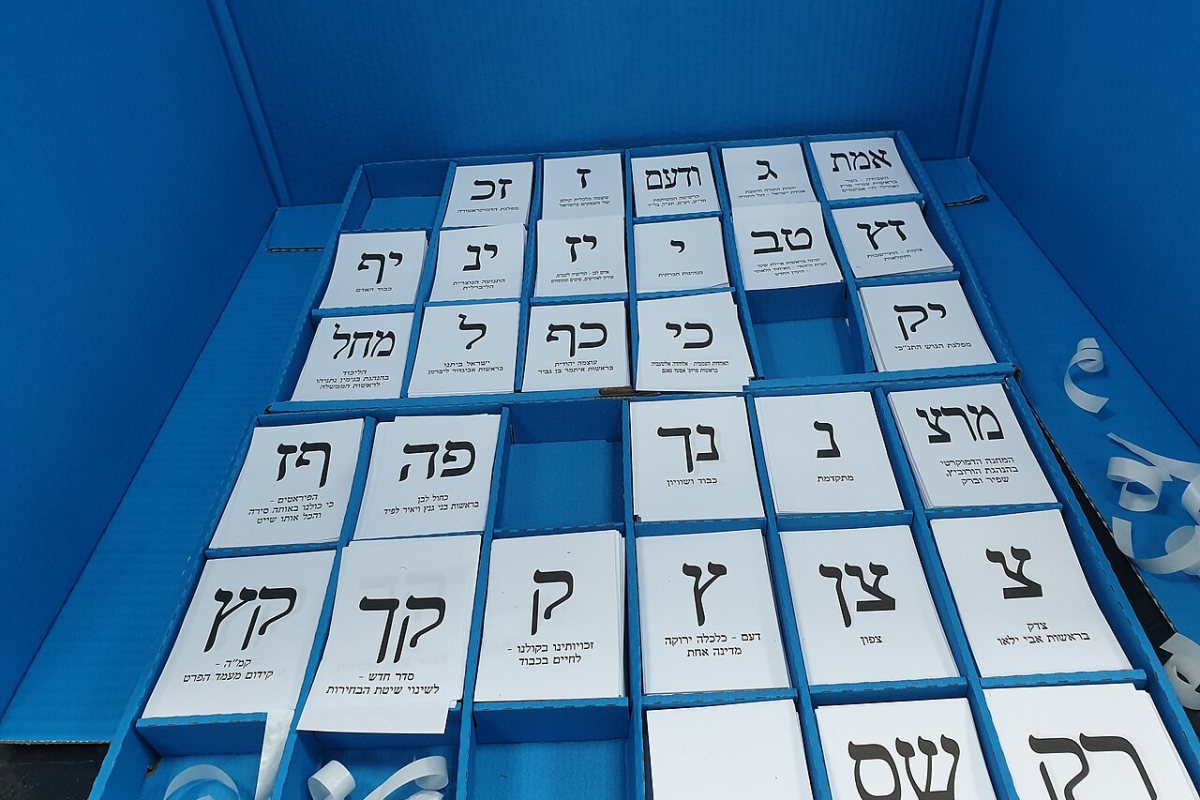
Most polling stations opened at 7 a.m. and are expected to close at 10 p.m. local time. The Central Elections Committee reported turnout of more than 31% by noon. That is a measure of participation, not of support for any party. Voters place a party ballot inside an envelope. After polls close, television networks are expected to publish exit polls. Those estimates may indicate the balance of forces, but they are not official results and can change as ballots are counted.
The Central Elections Committee organizes the vote and publishes the official figures. Complete results may take several days. Even once the Knesset's composition is known, the next prime minister may remain uncertain. President Isaac Herzog will consult the parties and ask the person he judges most likely to succeed to form a coalition. That candidate must negotiate enough support and then win the relevant parliamentary vote.
The process can make a relatively small party pivotal. Its lawmakers may supply the seats needed to reach 61, in return for policy commitments or cabinet positions. The negotiations can also fail. If no one can assemble a majority, further talks or even another election could follow. Surveys conducted before polling day pointed to a close contest, but they cannot establish which of those paths Israel will take.
A result that has yet to emerge
Campaigns often present elections as a choice between continuity and change. The institutional outcome is more complex than a single figure on television. Participation, the lists that clear the threshold, the seats won by each bloc and the agreements their leaders are willing to make will all matter. A party's lead in votes does not automatically give its leader the premiership.
International interest is high because the next coalition will face decisions about Gaza, regional security and relations with the United States and Europe. Those future choices should not be confused with campaign promises or pollsters' projections. At 3 p.m. Tuesday in Israel, voting was continuing. The first assessments would come after the polls closed, and forming a government would still require parliamentary negotiations.