U.S. bars BYD vehicles from Kadena Air Base in Japan over security concerns
The restriction covers private cars, taxis and deliveries. U.S. military officials cited security risks without publicly identifying a specific espionage incident.
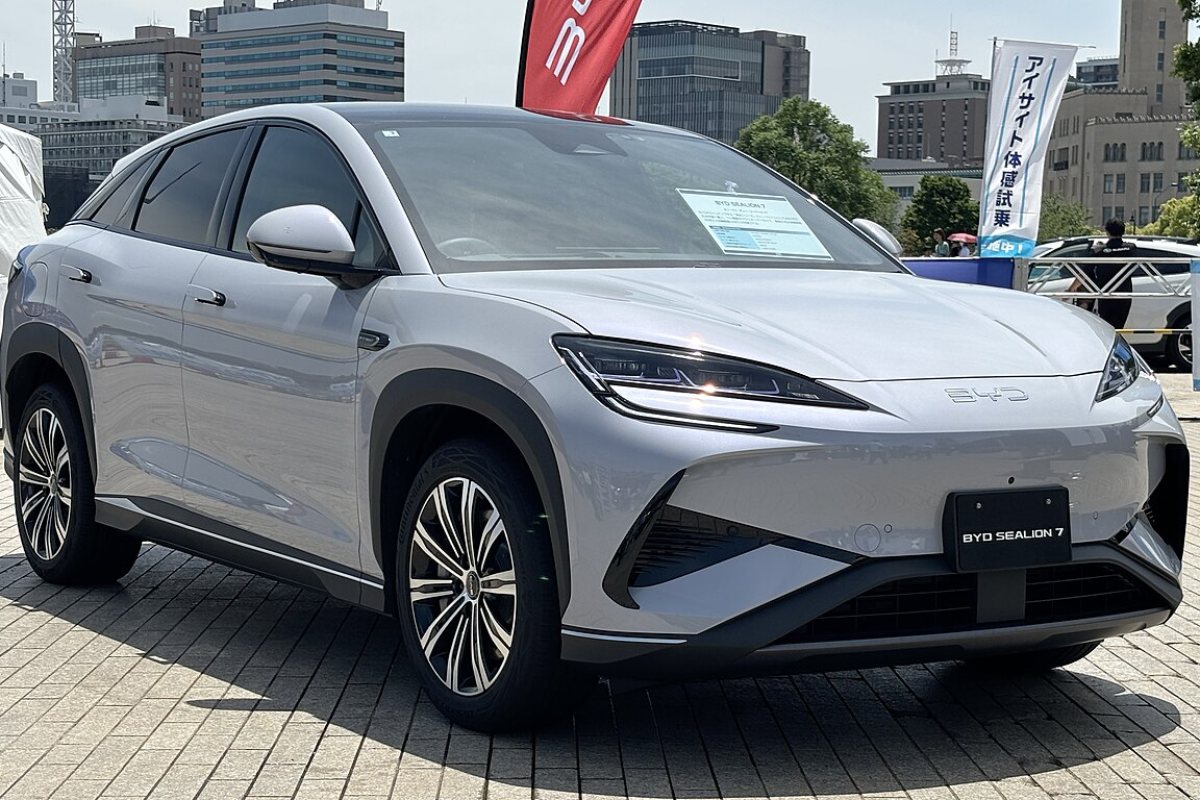
A privately owned electric car, taxi or delivery vehicle made by China's BYD can no longer enter the U.S. air base at Kadena on Japan's Okinawa island. The U.S. Air Force's 18th Wing confirmed the restriction, which took effect on October 26, citing security concerns. The move brings a debate usually associated with phones and communications networks into everyday transport: what information a connected vehicle might collect while moving near military facilities.
A military spokesperson quoted by Japanese and international news outlets described BYD vehicles as an unacceptable risk to the base's personnel and mission. That is the U.S. military's assessment, not public evidence that a particular car has engaged in espionage. No specific incident has been disclosed to explain the ban. Nor has Japan announced a general restriction on driving BYD vehicles on its roads. The measure made public concerns entry to Kadena.
A restriction that reaches civilian services
The rule covers private cars as well as vehicles used by contractors, taxis and delivery drivers entering the installation. Security personnel at the gates are expected to turn them away. For Okinawa drivers who provide services on base, the change is more than a policy debate: they must use a different vehicle or arrange deliveries outside the perimeter. Available reporting does not establish how many drivers or customers will be affected.
Kadena is one of the United States' major air installations in East Asia. Its location on Okinawa and its roles in surveillance, air support and regional response help explain the strict controls applied to equipment passing through its gates. A modern car can contain cameras, microphones, navigation systems and software that receives remote updates. These features serve drivers but can also produce information about routes, images and surroundings. The possibility that such data could be accessed improperly underlies the security concerns described by military officials.
That does not mean data from every vehicle necessarily reaches a foreign government. Proving a specific transfer would require technical evidence that the authorities have not made public in this case. The decision appears to be a preventive risk judgment in a sensitive location. The distinction between assessing a possible vulnerability and documenting an intelligence operation is essential.
Japanese news agencies Jiji and Kyodo reported the 18th Wing's confirmation on October 26. British reporting said the ban covered all vehicles made by the company, not only privately owned electric cars. BYD had not issued an immediate public response in the reports available at the time. Without a detailed technical explanation from the company or the Pentagon, it is not possible to identify exactly which components or functions prompted the ban.
Chinese technology and U.S. security policy
Washington has been restricting certain Chinese-made equipment in military settings. In 2018 it banned the sale and use of Huawei and ZTE phones on bases because of security concerns. In June 2026, the Pentagon added BYD to a list of companies it assesses as having ties to China's military. Beijing regularly objects to such designations. The Kadena rule fits within that broader policy, although the measure announced here is local.
The comparison with smartphones also has limits. A phone accompanies its owner and stores communications; a vehicle can travel along restricted routes, record images of facilities and transmit location data. Cars from many manufacturers, however, contain connected systems. The wider debate therefore extends beyond the nationality of a manufacturer: it asks what data can be collected, who can access it and what controls are required before a car enters a sensitive site.
There is no confirmation that other U.S. bases in Japan will adopt the same rule. News reports have raised that possibility as a scenario, not an announced decision. An expansion would carry greater practical and commercial consequences for manufacturers, workers and visitors. For now, the known restriction applies to Kadena, and its direct effects should be assessed within that scope.
A contrast with Japan's car market
BYD is trying to grow in Japan, a market dominated by domestic automakers. The company has introduced models designed for local preferences, including a small electric car. That commercial expansion is taking place while the technological rivalry between the United States and China is shaping access to strategic installations. For Japan, a U.S. ally and a market in which Chinese manufacturers seek customers, the two developments are unfolding side by side on Okinawa.
The ban does not make a finding about the road safety of BYD models or, by itself, affect their authorization for sale in Japan. It concerns information and operational security inside a military base. Keeping that boundary clear prevents an access-control decision from becoming a general accusation against people who own the cars.
Kadena leaves a broader question unresolved: will militaries develop verifiable rules for all connected cars, or continue to prohibit vehicles according to manufacturer and country of origin? The immediate effect of the U.S. decision is clear. This week, the choice of car used to enter the base became a military security issue.