FTC and 20 states sue Dollar General over alleged shelf-to-checkout overcharges
The lawsuit alleges repeated gaps between shelf and register prices. Dollar General disputes the regulator’s assessment and says it has strengthened its price checks.
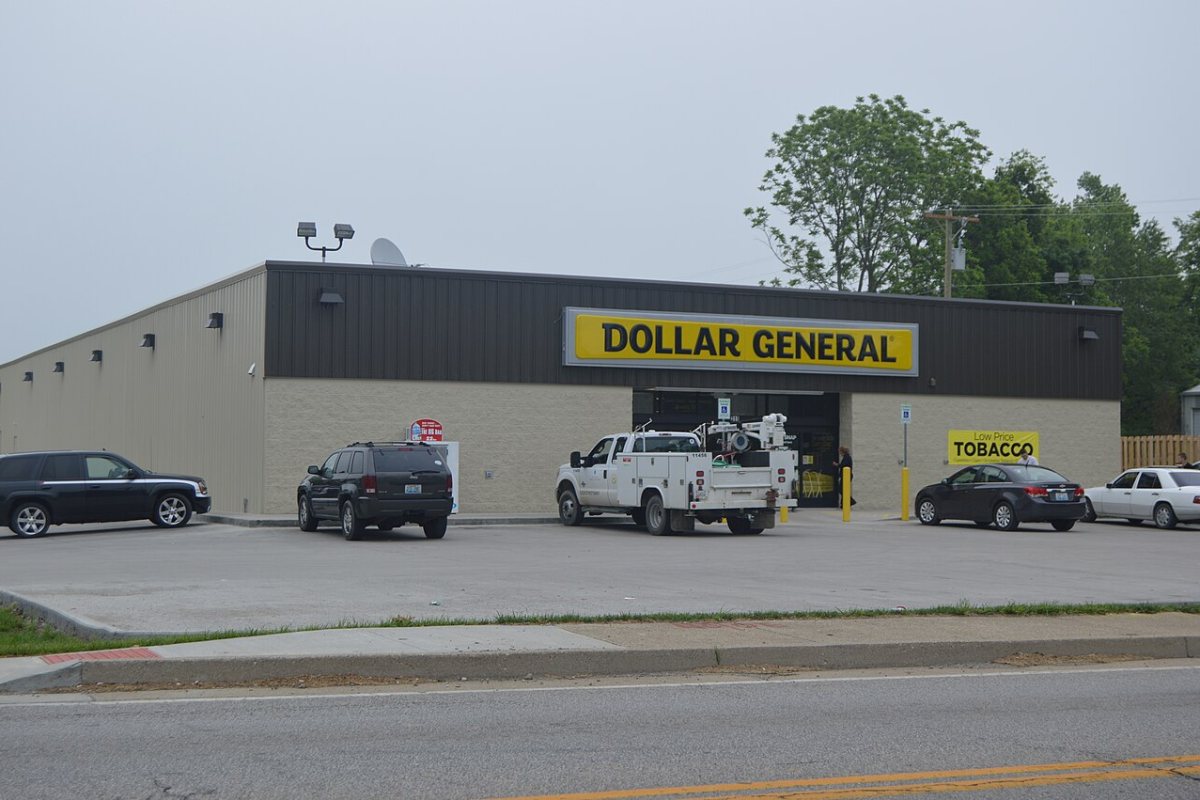
The gap between a shelf label and the amount charged at checkout may be only a few cents. Across thousands of products and millions of purchases, it has become the focus of a federal lawsuit against Dollar General. On Monday, October 26, the U.S. Federal Trade Commission and 20 states accused the discount chain of repeatedly charging customers more than the prices displayed on shelves, tags and advertisements. Dollar General disputes the suggestion that it deliberately neglected its customers and says it has strengthened its price checks. The case is at an early stage: the allegations have yet to be proved in court.
The complaint was filed in the Middle District of Tennessee, where the company is based. The plaintiffs seek measures to prevent further price discrepancies, monetary relief and penalties under the applicable laws. No judgment has been entered, and no amount has been set for possible customer refunds. That distinction is central to a case involving a federal regulator, state authorities and one of the country's largest discount retailers.
From the shelf to the register
The court filing describes a familiar sequence: a shopper selects an item because of the displayed price, then discovers—sometimes only after checking the receipt—that the register charged a different amount. The FTC alleges that this happened repeatedly over several years, even after official inspections and consumer complaints. According to the complaint, Dollar General received at least 29,265 complaints classified as failures to honor marked prices between January 2023 and March 2026. They came from all 48 states in which the chain operates. These are complaints recorded by the company, not a count of every transaction that may have been affected.
The FTC also says the company entered into seven earlier agreements over pricing irregularities with authorities in six states between 2019 and 2026. Those cases resulted in more than $6 million in penalties. The new complaint cites that history to argue that Dollar General knew the problem was recurring. The company challenges the regulator's interpretation of its conduct and its method for calculating the alleged financial harm.
In one October 2025 inspection cited in the filing, officials found discrepancies in 11 of 50 items examined at a store in Strong, Arkansas; eight resulted in a charge above the advertised price. At a store in Glasgow, Kentucky, inspectors found errors in 20 of 50 items in April 2023, all of them overcharges. These are examples from particular inspections, not a measurement of every Dollar General store. Their significance in the case will depend on how the court assesses the full record and the company's response.
Dollar General operates more than 21,000 stores selling everyday goods, including food and household products. Its scale helps explain why even a small discrepancy can draw national scrutiny. The complaint also says roughly 80% of its stores are in towns with populations of 20,000 or fewer. For households watching every dollar, the posted price shapes both the decision to buy and the calculation of what they can afford at checkout.
Dollar General's response
Dollar General issued a statement on the day the lawsuit was filed. It says its goal is complete agreement between shelf and register prices and that employees are instructed to correct discrepancies when they arise. It acknowledges that occasional errors can occur but denies abandoning its mission to offer affordable goods or deliberately disregarding customers. The company says it has improved its procedures for verifying prices.
Dollar General says it cooperated with the investigation beginning in February 2026, providing more than 200,000 documents and 350 gigabytes of information. According to its account, it tried to negotiate a resolution before litigation but considered the amount sought by the regulator disproportionate to the discrepancies identified. It intends to challenge the FTC's legal arguments in court while leaving open the possibility of further talks.
The two sides also disagree about the appropriate remedy. The FTC describes a persistent pattern of price mismatches. Dollar General portrays them as retail errors and says the complaint fails to reflect improvements it has made. Neither position replaces the court's assessment of the evidence.
What customers should know
The case raises a straightforward question that is difficult to answer nationwide: how often was a customer overcharged, and by how much? The court will have to consider inspections, internal records, complaints and the methods used to estimate losses. Thousands of complaints do not mean that every purchase at the chain involved an incorrect price. They do, however, require an examination of the discrepancies the authorities have documented.
In everyday shopping, comparing the receipt with the shelf label can reveal an error while the customer is still in the store. A customer who finds a mismatch can ask the store to correct it and keep the receipt. The FTC lawsuit has not established a refund program or, by itself, made shoppers eligible for automatic payments. Any remedy could take time and would depend on court rulings or a possible settlement.
The litigation comes as the cost of basic goods remains a major concern for U.S. households. A retailer built around the promise of savings depends on shoppers being able to rely on its posted prices. The proceedings will determine whether the discrepancies described by regulators were isolated mistakes across a vast operation or a sufficiently widespread practice to violate federal and state law. For now, the complaint sets out the alleged problem in detail, and Dollar General has made clear that it will contest the case.