Mary Peltola wins Alaska Senate race, giving Democrats 56 seats, AP projects
The former congresswoman defeats Republican Dan Sullivan in the final Senate contest awaiting a projected winner. Alaska’s election review continues, with certification targeted for November 25.
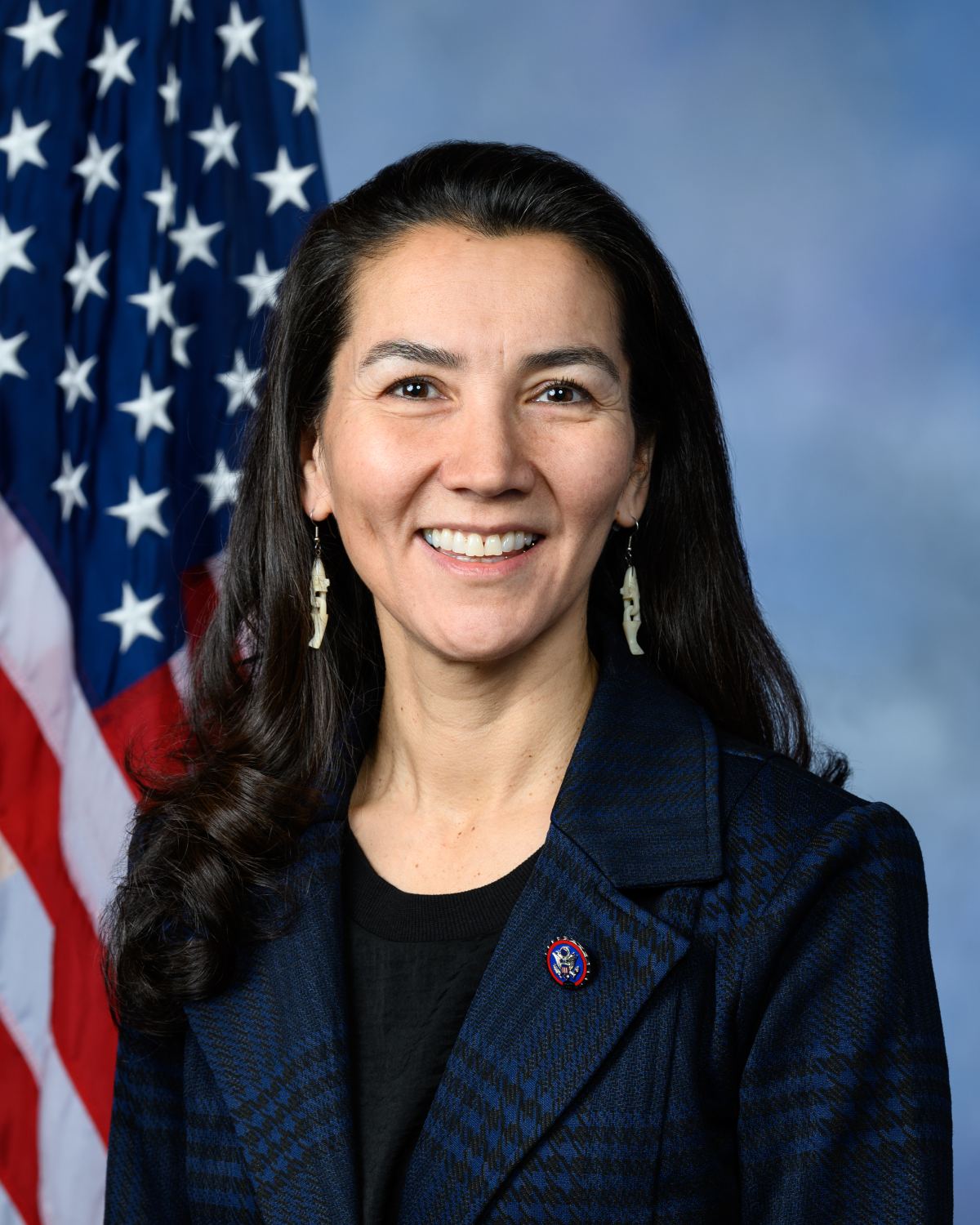
Mary Peltola has won Alaska’s U.S. Senate election against Republican incumbent Dan Sullivan, according to an Associated Press projection issued on the night of November 17. The result resolves the last Senate contest without a projected winner and leaves the Democratic caucus with 56 seats to Republicans’ 44 in the next Congress.
The victory returns Peltola to federal politics after she lost Alaska’s sole seat in the House of Representatives in 2024. It also ends Sullivan’s bid for a third term. He first won election to the Senate in 2014. Democrats flipped nine Republican-held Senate seats in this year’s elections, according to AP.
The announcement came two weeks after voting on November 3. The news organization’s projection identifies the expected winner while Alaska continues its formal election review. The state Division of Elections lists November 25 as its target date for certification.
A majority of first-choice votes
Roll Call placed AP’s race call at approximately 10:19 p.m. Eastern time. It reported that the latest batch of counted ballots pushed Peltola above half of first-choice votes, allowing her to win without additional rounds of vote transfers.
Alaska uses ranked-choice voting in general elections. Voters may rank candidates in order of preference. If no candidate initially wins a majority, the lowest-polling candidate is eliminated and those ballots move to the next eligible choice. Further rounds resolve the contest.
A candidate who secures a majority in the initial count does not need that redistribution process. The use of ranked-choice ballots therefore does not mean every Alaska election must be settled through transfers.
The state’s schedule calls for ranked-choice tabulations to begin on November 18 in races that require them. Peltola’s projected victory came before that stage, after the first-choice count was expanded.
Returning after a House defeat
Peltola, 53, had a lengthy political career before reaching Washington. Born in Anchorage on August 31, 1973, she served in Alaska’s state House from 1999 to 2009. She was also a member of the Bethel City Council and executive director of the Kuskokwim River Inter-Tribal Fish Commission from 2017 to 2022, according to her official congressional biography.
In 2022 she won the special election to fill the vacancy created by Representative Don Young’s death. She won a full term later that year. Her House service ended on January 3, 2025, after Republican Nick Begich defeated her in the 2024 election.
Peltola is Yup’ik and was the first Alaska Native elected to Congress. Her career connects representation of western Alaska communities with fisheries, which have also been prominent in her political message.
The Senate campaign offered a different route back to federal office: representing the whole state in a chamber whose members serve six-year terms, rather than the two-year terms of House members.
A campaign centered on living costs
Peltola built her campaign around Alaska’s needs, particularly the cost of food, housing and energy. Her platform argues that easing household expenses requires changes involving energy production, taxes and investment.
Her proposals include targeted tax incentives to expand refining capacity within Alaska and changes to permitting for energy projects. She also supports restoring federal incentives for solar, wind and hydropower projects and diversifying electricity supplies.
That combination gives a fuller picture of her position than a blanket characterization as an opponent of fossil fuels. She supports oil and gas development while also proposing a broader energy mix. These remain campaign commitments that would require legislative and administrative action.
Her background in fisheries management is another part of that local identity. Her platform includes a section on fisheries alongside proposals addressing energy, affordability and support for veterans and military personnel.
The campaign’s emphasis was on connecting those policy areas to everyday life in Alaska. Whether proposals can deliver their intended benefits will depend on the measures adopted, the resources available and the agreements reached after the election.
Two Sullivan candidates on one ballot
The Senate ballot listed four candidates: Peltola, Senator Dan S. Sullivan, Gerald L. Heikes and Daniel J. Sullivan Jr. The last of those was a separate candidate from the Republican senator. He appeared without a party affiliation, while the incumbent was identified as a Republican holding the office.
The presence of two Sullivan candidates became a campaign controversy. U.S. media reported allegations that people linked to Peltola’s campaign helped recruit the second candidate. Peltola denied involvement. When the race was called, Roll Call reported that she had more votes than both Sullivan candidates combined.
The Trump administration had sued to block certification if the senator lost, citing potential voter confusion. A federal judge dismissed the case and the Justice Department appealed, according to AP. The legal dispute accompanied an election whose administrative review still has to be completed.
For voters and readers following the race, the candidates’ full ballot names and party designations identify which Sullivan is being discussed. The distinction also explains why the official ballot contains two separate rows bearing the name.
What a 56-seat caucus can do
The projected balance gives Democrats a clear majority in the 100-member Senate. However, 56 seats alone fall short of the usual 60-vote threshold for ending debate on legislation facing a filibuster.
That procedure, known as cloture, affects the path of many bills. The new balance gives Democrats more room to maneuver, but it does not remove the need for agreements on legislation subject to that requirement. Nor does the size of a caucus guarantee that all its members will vote together.
The next congressional terms begin on January 3, 2027, under the constitutional timetable. Formal election review and the transition between Congresses still lie ahead.
Peltola’s next task will be to turn her proposals on energy, fisheries and living costs into specific negotiations. The victory offers her a longer term and a new position in Washington. Delivering on those commitments will depend on the measures she advances and the support she can build.