Breckenridge recalls one lot of propranolol in the U.S. over possible metal contamination
The recall covers 60 mg extended-release capsules from lot PK25110035. The company tells patients to stop using that product and contact a health care professional immediately for advice and replacement instructions.
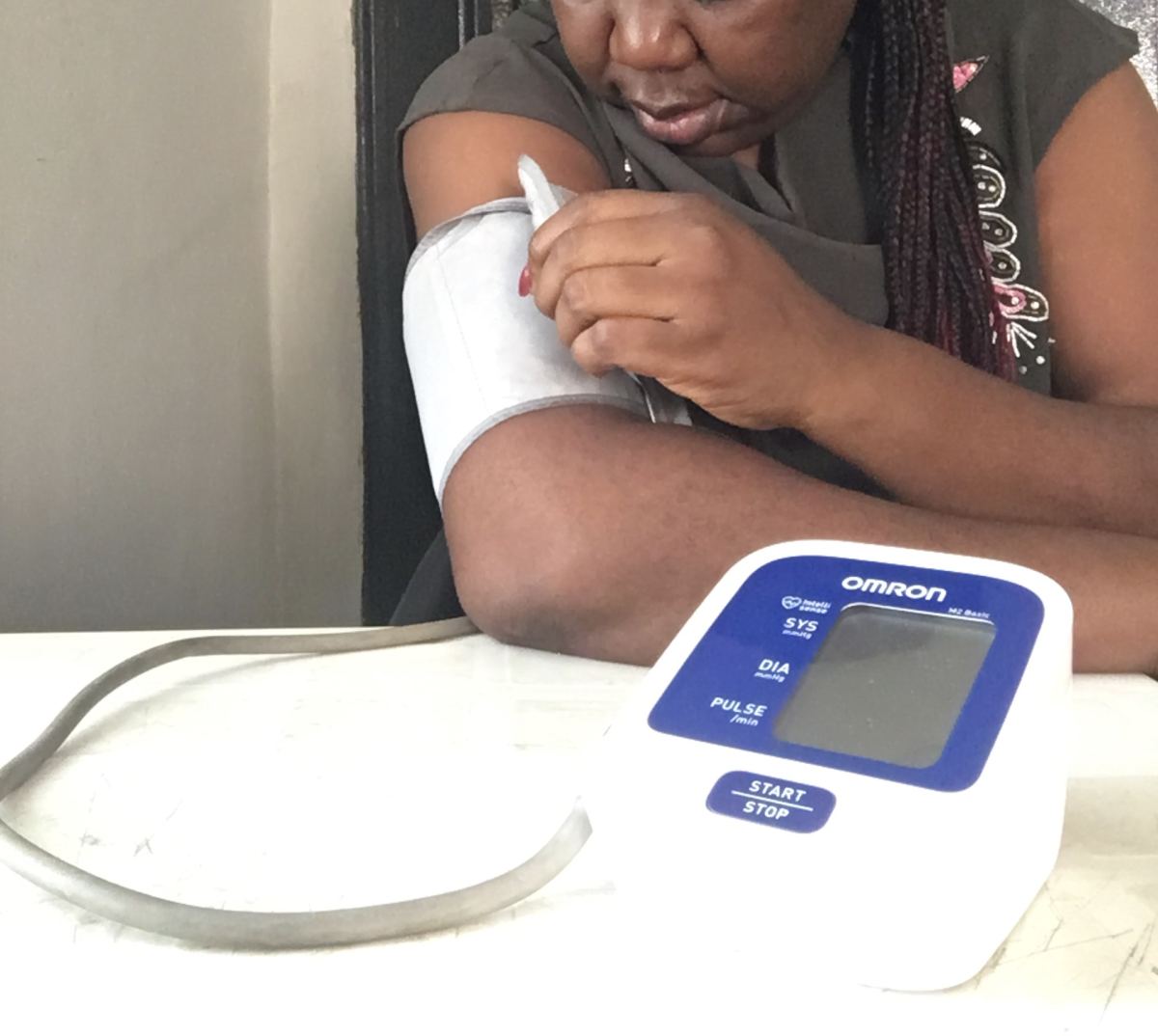
Breckenridge Pharmaceutical has announced a voluntary nationwide recall of one lot of propranolol hydrochloride extended-release capsules, 60 milligrams, because of possible metal contamination. The recall, announced on November 16, extends to consumers and covers product distributed to wholesalers and pharmacies between October 26 and November 4, 2026.
The company identified lot PK25110035, packaged in bottles of 100 capsules and carrying a May 2029 expiration date. Adare Pharma Solutions manufactured the medicine. The recall covers that specific strength, bottle size and lot.
Breckenridge warned that using affected capsules could cause cuts to soft tissue in the mouth, esophagus, stomach or intestine. When it issued the notice, the company said it was not aware of adverse events assessed as related to the recall.
How to identify the recalled product
The notice names the medicine as Propranolol Hydrochloride Extended-Release Capsules, USP, 60 mg. Patients checking a container should compare these details:
- Company: Breckenridge Pharmaceutical.
- Product and package: 60 mg extended-release capsules, in a 100-count bottle.
- National Drug Code, or NDC: 51991-817-01.
- Lot number: PK25110035.
- Expiration date: May 2029.
The U.S. Food and Drug Administration recommends comparing the lot number on a medicine's label with the number in the recall notification. A pharmacist or health care professional can help if the information on the container leaves questions about whether a prescription is affected.
The distribution dates in the notice refer to shipments to wholesalers and pharmacies. The product code, strength, bottle size and lot number identify the medicine covered by the recall. Keeping those details available can help when asking a pharmacy about a prescription or requesting replacement instructions.
Why Breckenridge recalled the lot
Breckenridge said the recalled lot shared an intermediate material with another lot in which metal contamination was found. That separate lot was not released to the market. The company suspects the shared material may have been the source of contamination and recalled the lot that had already been distributed.
Its risk statement describes the potential for lacerations in soft tissue in the mouth and digestive tract. The notice characterizes the contamination as possible and extends the recall to consumers so that product already beyond the distribution chain can also be identified.
Wholesalers, pharmacies and other retailers have been instructed to check their inventory, quarantine affected product and stop distributing or dispensing it. Businesses that supplied the medicine to other commercial customers must notify them down to the retail level.
What the company tells patients to do
Breckenridge's instructions are to stop taking capsules from the recalled lot immediately and contact a physician or another health care provider for medical advice and replacement instructions. The company also asks consumers to return any unused affected product to the pharmacy where they obtained it.
Prompt contact with the prescribing team is particularly relevant for propranolol. MedlinePlus, a service of the U.S. National Library of Medicine, warns that stopping the drug suddenly can cause serious heart problems. The product labeling available through DailyMed also describes reports of worsening angina and, in some cases, heart attacks after abrupt discontinuation of propranolol treatment.
Patients therefore need timely professional guidance on replacing the recalled product. They should tell the prescribing team they have capsules covered by the notice and ask how their treatment will be maintained. Decisions about changes to a dose or treatment belong with the health care professional managing it.
For recall questions, Breckenridge has designated Qualanex at 1-855-736-0807, Monday through Friday, from 9 a.m. to 5 p.m. U.S. Eastern Time. That service handles questions about the recall process.
Propranolol is prescribed for several conditions
Propranolol is a beta blocker. MedlinePlus explains that it relaxes blood vessels and slows heart rate, helping improve blood flow and lower blood pressure.
The drug also has uses beyond hypertension. The labeling for Breckenridge's extended-release capsules includes treatment of angina and prevention of migraines among its indications. The reason a medicine has been prescribed helps determine the treatment plan a clinician chooses.
For migraines, the label distinguishes prevention from treatment of an attack already underway. This formulation is indicated for prevention, rather than treating a migraine that has already started. The recall covers the product identified by its lot, whatever condition it was prescribed to treat.
Speaking with the pharmacist and prescriber allows patients to check their particular container and arrange an appropriate replacement. The active ingredient's name alone does not identify the recalled batch; the full details in the notification are needed to establish a match.
Reporting problems and overseeing the recall
Breckenridge said it is conducting the recall with the FDA's knowledge. In its general guidance, the agency explains that companies can initiate recalls voluntarily. The FDA oversees the recall strategy and evaluates whether customers were properly notified and defective product was removed.
The agency also maintains a database of recalled medicines, including the reason for a recall and its classification. Its consumer guidance notes that not every recall receives a public announcement on the FDA's website or in the news media.
The company also asks anyone who experienced a problem that may be related to these capsules to contact a health care provider. Adverse reactions and product quality problems can be reported to the FDA's MedWatch program, which receives submissions from health professionals, patients and consumers.
Medical care and safety reporting serve different purposes: one addresses the patient's health, while the other gives regulators information about product safety. For questions about the recall and returns, the notice identifies Qualanex and the pharmacy that supplied the medicine as the relevant contacts.