Illinois urges precautions over lead dust from planned Army detonations in Iowa
The operation is scheduled for November 20 at an ammunition plant in Middletown. Illinois warns of a possible impact on Mercer County and is seeking environmental sampling and public disclosure of the results.
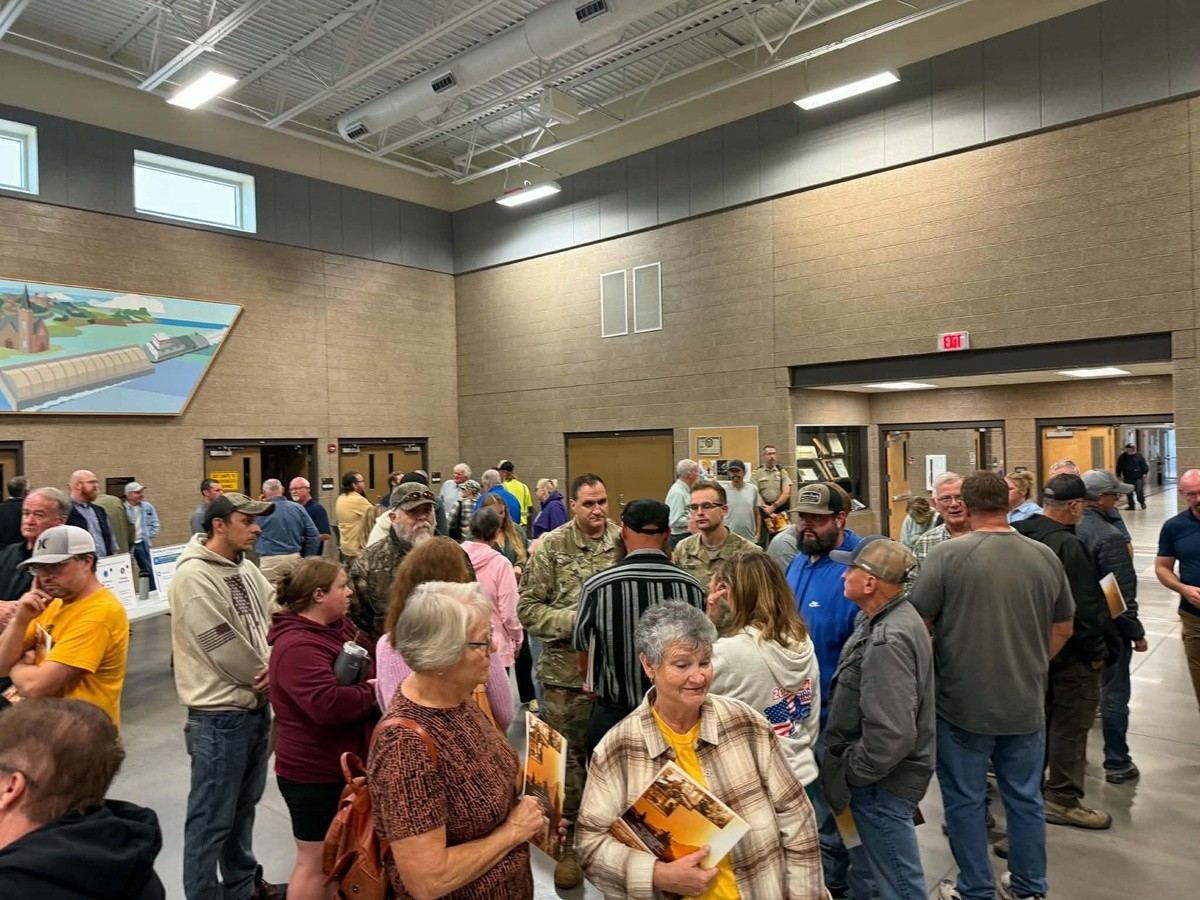
Illinois environmental and health officials have urged precautions against possible lead dust from two controlled detonations the U.S. Army plans to conduct in Iowa on Friday, November 20. The state's advisory, issued Wednesday, November 18, says available air modeling could put Mercer County, Illinois, among the affected areas.
The operation is scheduled for approximately noon Central Standard Time at the Iowa Army Ammunition Plant in Middletown, southeastern Iowa, near the border with Illinois. Its purpose is to dispose of degraded lead azide that the Army and the federal Environmental Protection Agency say poses a risk of accidental explosion if handled or moved.
The Army's updated November 18 advisory identifies households near Middletown City Park and Butterfly Park whose residents have been asked to leave temporarily. Illinois is separately calling for precautions to limit exposure to dust and more information about the operation's environmental monitoring.
Unstable material and an emergency permit
About 9,700 pounds of material, approximately 4,400 kilograms, are involved, Army Sustainment Command spokesperson Justine Barati told ABC News. The EPA identifies 68 drums of degraded lead azide and says their condition presents an imminent and substantial threat to human health and the environment.
The agency says the stored material has become more sensitive to friction and shock. The Army determined it cannot be moved safely and chose to destroy it where it is stored.
The EPA issued an emergency permit on November 13 to store and treat the hazardous waste at a location outside the plant's existing environmental authorization. It requires public notification, sampling and monitoring before, during and after the detonations, along with cleanup and reporting.
The Army expects noise, ground vibrations and a dust plume containing lead particles. Its advisory says the plume could linger for approximately an hour, depending on wind speed. The document also anticipates that some dust will settle on the ground and other surfaces.
Which households are asked to leave
The latest advisory asks identified residents near Middletown City Park and Butterfly Park to leave their homes between 8 a.m. and 2 p.m. Friday, Central Standard Time. The request addresses the risk of localized window damage from vibrations.
For those residents, the Army is offering space at the Armed Forces Reserve Center, at 16815 DMC Highway 34 in Middletown. Access is controlled, and use of the center for this purpose is limited to the identified residents. Family members and pets are welcome, with animals secured in appropriate carriers or on leashes.
All areas immediately adjacent to the site that are being temporarily evacuated are in Iowa, the Illinois advisory says. Health precautions for places that could receive dust address a separate concern: limiting contact with particles in the air or on surfaces after the operation.
The Army advises people remaining in potentially affected areas to stay indoors, close windows and doors, and avoid unnecessary travel during the exposure period. Local notices and updated maps will identify the communities where those precautions apply.
Illinois wants details about environmental monitoring
The Illinois EPA and the state's Department of Public Health said Wednesday that available modeling indicated a possible impact on Mercer County. They warned that updated weather information could change the communities included in the projections.
The Army says its modeling puts possible airborne concentrations below the level at which the EPA would require protective action. It has also announced measures to reduce dust dispersion and monitor the environment. Illinois said, however, that as of November 18 it had not received information about the breadth of the monitoring methodology.
Illinois EPA Director James Jennings called for air, soil and surface dust sampling after the operation in potentially affected parts of Illinois. He also urged public release of the results and action to address any impacts identified.
The state agency said it will watch data from its northern Illinois air monitoring network and independently evaluate the modeling. That work will supplement monitoring by the federal EPA regions responsible for Iowa and Illinois.
Health officials' advice for potentially affected areas
For Illinois communities that may be affected, the Department of Public Health recommends staying indoors and keeping windows closed for 24 to 48 hours after the detonations. Director Sameer Vohra said lead can cause harm when inhaled or swallowed and that no safe level of lead in the body has been identified.
The department notes that most residential furnaces recirculate indoor air. For systems that actively draw in outdoor air, including some in schools and commercial buildings, it advises considering temporarily closing the intake and switching to recirculation. A portable air cleaner can supplement the furnace filter, it says.
Other recommendations include washing hands before eating or drinking, removing shoes at the entrance to a home, and washing outdoor surfaces with soap and water where visible dust is present. The Army places surface cleaning after its determination that the airborne exposure period has ended.
Toys, play areas and windowsills warrant attention because children may come into contact with them. Illinois emphasizes the particular vulnerability of children six and younger. Anyone concerned about possible exposure should ask a doctor about blood lead testing, the department advises.
Wind conditions will shape the maps
The Army's advisories distinguish between breathing airborne particles and contact with deposited dust. The maps are estimates that may change with the weather. Although the plume is expected to last approximately an hour, particles deposited on surfaces may require cleanup afterward.
The November 18 advisory says new models will be released on Friday morning. It asks the public to check updates six hours before the operation and every hour until the detonations. Afterward, the Army will issue a final estimate of the affected area.
Johnson County Public Health in Iowa said on November 18 that the county was not directly in the projected path at that time, while continuing to monitor the situation. The outlook for an individual community depends on the modeling and notices relevant to its location.
Updates are being posted on the Army Sustainment Command's community notifications page and through local emergency management and public health channels. The EPA-required sampling will help identify areas needing cleanup and document the operation's environmental effects.