Seven contemporary Argentine writers to start reading
From suspense and horror to a reimagined national classic, seven voices and a book to begin with for each.
Twenty-first-century Argentine literature does not belong to a single school. These seven writers move between everyday dread, small towns and social margins, revisions of national stories, and plots that refuse to travel in a straight line. Their books have reached readers beyond Argentina, yet they offer no single account of the country.
This is a route into seven bodies of work, not a ranking of the “best.” The writers span generations and styles. Each suggested book offers a place to begin before exploring further.
Samanta Schweblin: danger in a conversation
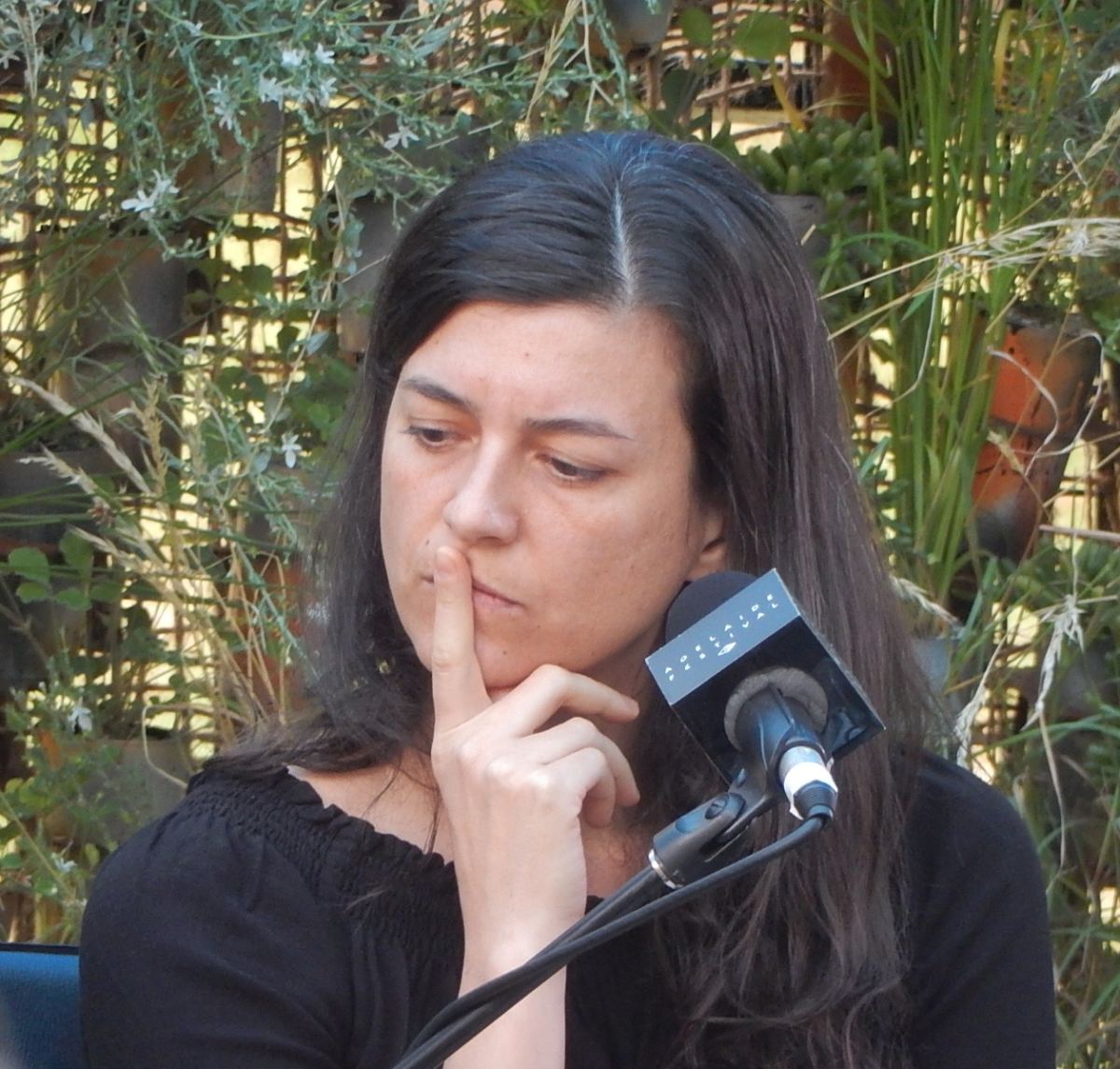
In Distancia de rescate, published in English as Fever Dream, a sick woman speaks with a boy at a rural clinic. Their questions piece together what happened while the fear that something has harmed their children steadily grows. Schweblin builds suspense by withholding information and by drawing on a parent’s urgent wish to protect a child. The novel, first published in 2014, was shortlisted for the 2017 International Booker Prize.
It is a strong starting point for readers who enjoy a short novel that leaves some mysteries unresolved. Kentukis, translated as Little Eyes, takes the unease into connected homes, where strangers gain access to private lives. In both books, human choices are more disturbing than a visible monster.
Mariana Enríquez: horror close to history
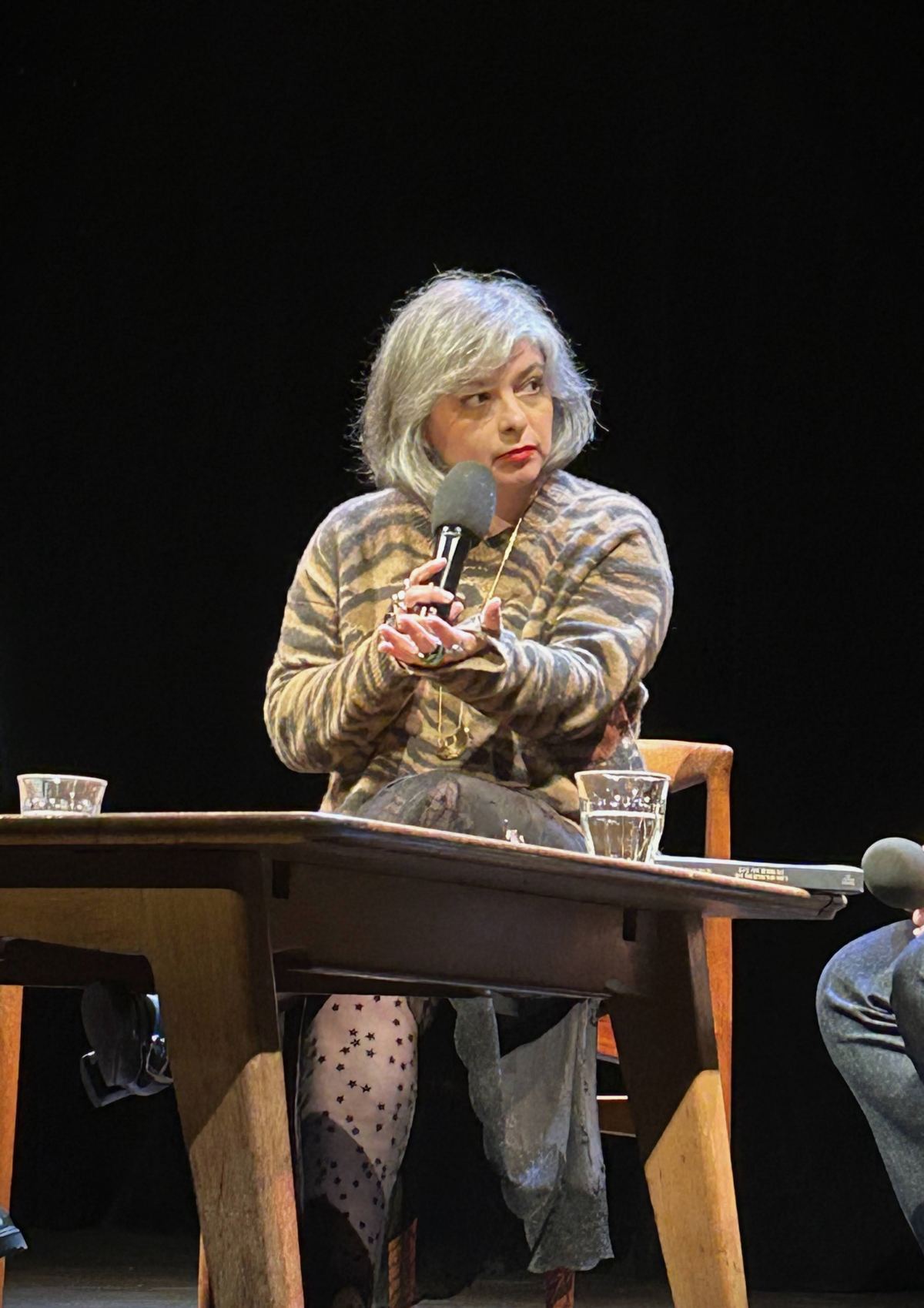
Nuestra parte de noche, published in English as Our Share of Night, opens with a father and son travelling through Argentina during the military dictatorship. The father is trying to keep the boy from a family organisation that pursues immortality through brutal rituals. The supernatural threat runs alongside political violence, elite power and a bond of care that is never secure.
Readers who prefer short fiction can start with The Dangers of Smoking in Bed, the English translation of Los peligros de fumar en la cama, shortlisted for the 2021 International Booker Prize. Enríquez does not use ghosts and rituals as decoration; recognisable places and social tensions enter the nightmare with them.
Claudia Piñeiro: a mystery that changes its question
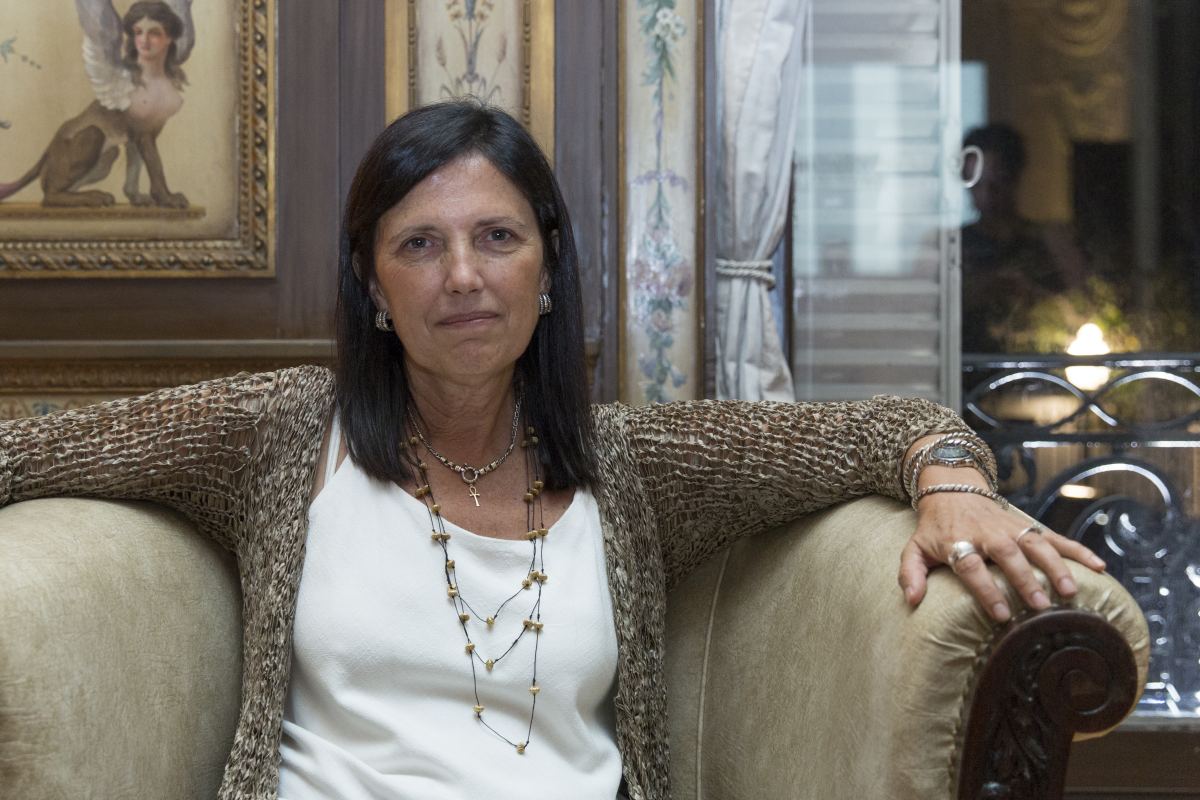
Elena’s daughter is found dead, and the official investigation is closed. In Elena sabe, translated as Elena Knows, her mother insists on finding out what happened. Parkinson’s disease turns a journey across the city into a physical ordeal. The mystery drives the book, but its questions widen: how well do we know those closest to us, and who gets to decide what happens to their bodies?
Piñeiro uses the machinery of crime fiction without making a solution the whole point. Elena Knows was shortlisted for the 2022 International Booker Prize. It is a concise way into a body of work where suspense exposes conflicts within families, religion and society.
Selva Almada: what the river brings back
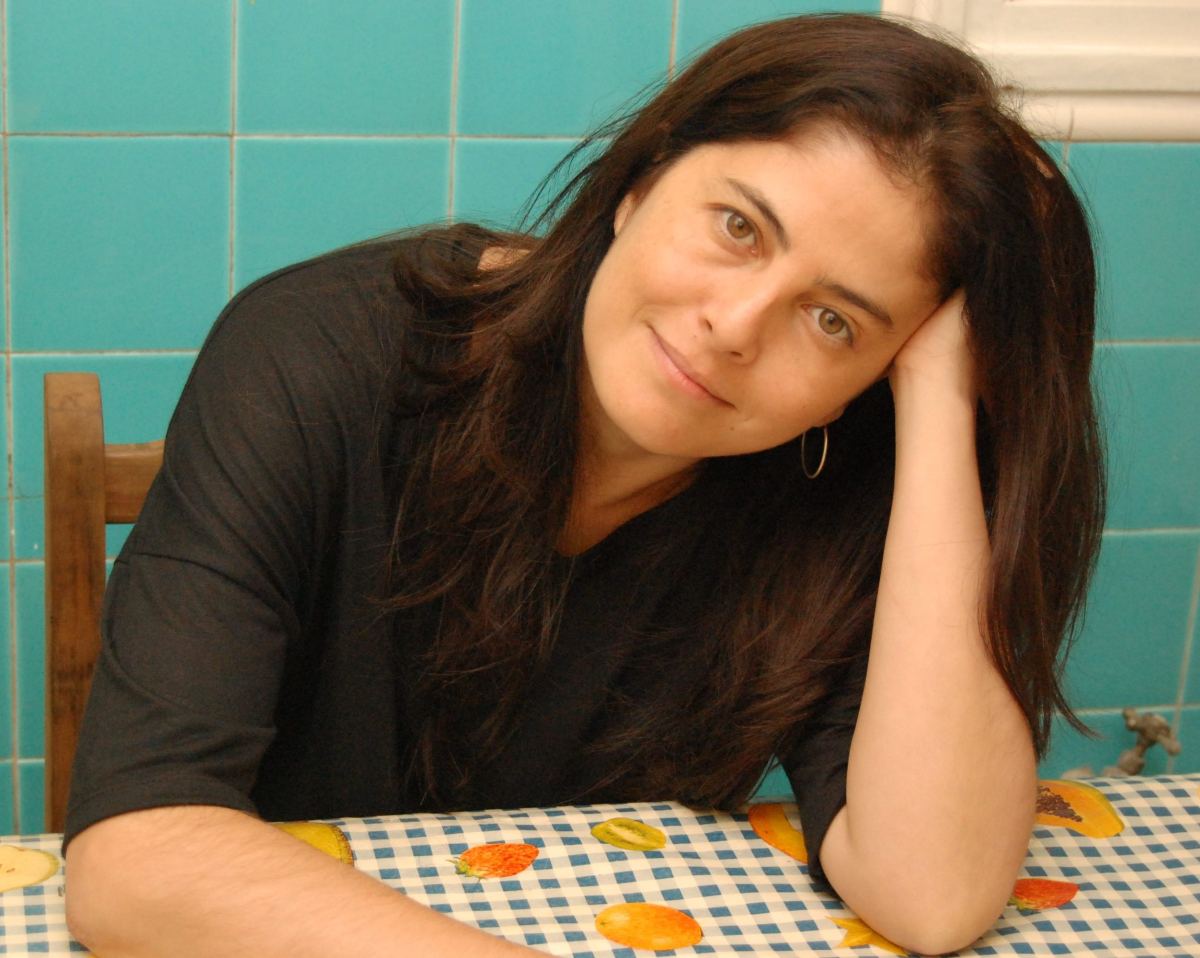
Three men return to fish at the place where a friend died. In No es un río, translated as Not a River, their day revives memories, loyalties and a threat of violence that also reaches the island’s residents. Almada lets gestures and silences carry the story. The river landscape is where past and present meet, not a backdrop.
Shortlisted for the 2024 International Booker Prize, the novel introduces a writer closely associated with rural Argentina without turning its people into picturesque types. Affection and rivalry run through relations among men, women, families and neighbours; no one holds the whole story.
Gabriela Cabezón Cámara: a new voice for an old epic
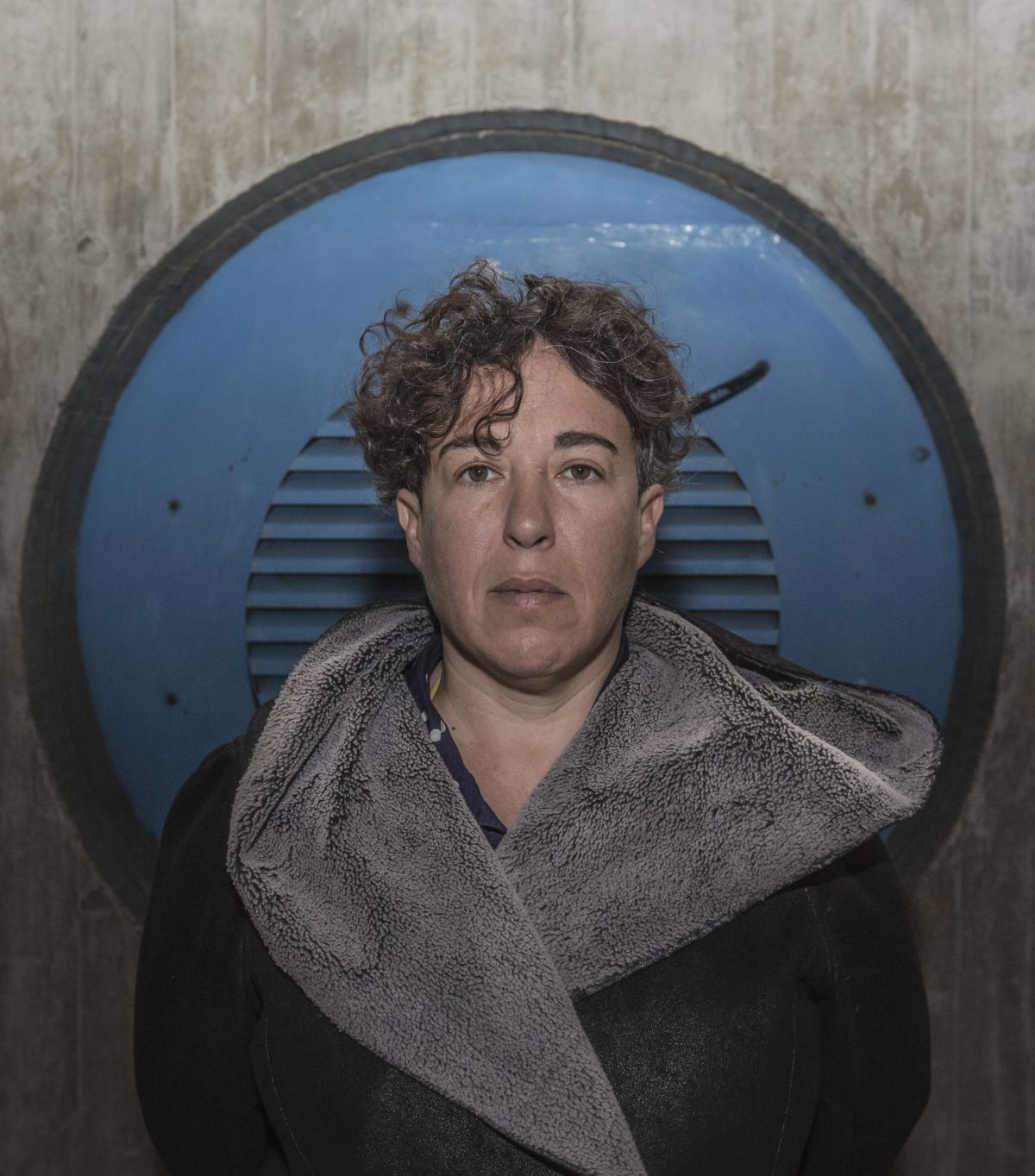
In Las aventuras de la China Iron, the nearly voiceless wife from the Argentine epic Martín Fierro leaves behind the role assigned to her and travels across the pampas with Liz. Telling the story from her point of view asks who is allowed to speak in a foundational national tale and which forms of freedom it left out.
The novel appeared in English as The Adventures of China Iron and was shortlisted for the 2020 International Booker Prize. Its wit and exuberant language accompany a rethinking of gender, land and nation. It also invites a return to José Hernández’s poem to see what changes when the point of view moves.
César Aira: follow the detour

In El divorcio, published in English as The Divorce, a man sitting at a Buenos Aires café witnesses a small mishap involving a cyclist. One encounter leads to another until an ordinary afternoon takes on an improbable logic. The novel displays an Aira signature: begin with something slight and let invention carry it elsewhere.
Born in 1949, Aira belongs to an earlier generation than several writers here, but he has continued publishing in this century and his work circulates in translation. His short novels reward readers willing to follow sudden turns rather than search for a single explanation.
Camila Sosa Villada: a family at the margins
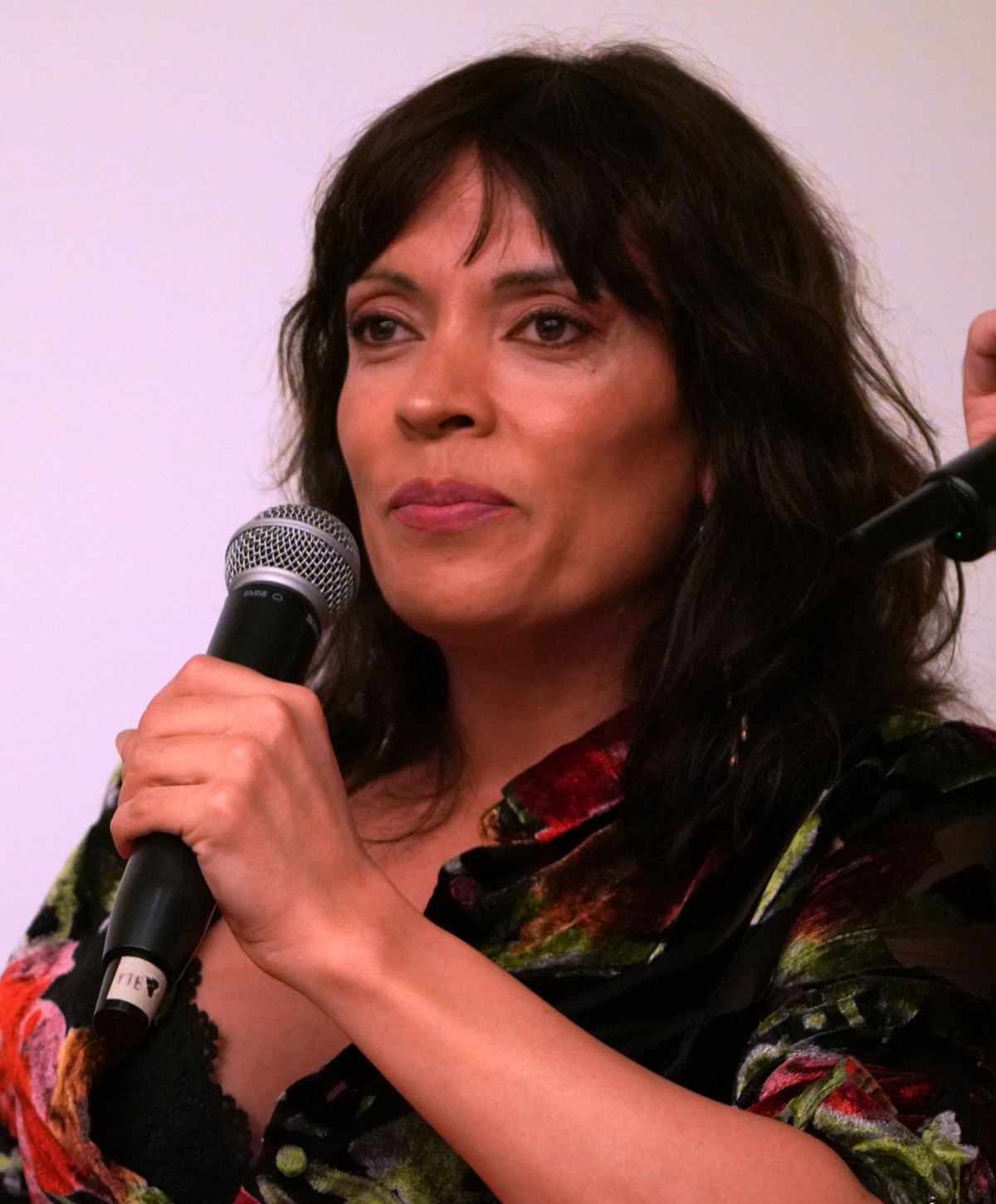
In Las malas, published in English as Bad Girls, a group of trans women who work in Córdoba’s Sarmiento Park take in an abandoned baby. Around Auntie Encarna, they form a chosen family shaped by violence but sustained by care, desire and humour. Fantastic elements enter the story without erasing the material conditions of their shared lives.
The novel won the Sor Juana Inés de la Cruz Prize in 2020. Its power also lies in its language: Sosa Villada gives people too often written only as victims room for imagination, contradiction and a future.
Seven beginnings, more than one map
Readers can follow their own affinities: from Schweblin’s suspense to Enríquez’s darkness, from Piñeiro’s family questions to Almada’s entangled loyalties, or from Cabezón Cámara’s journey to the imaginative departures of Aira and Sosa Villada. What connects these books is not a uniform national style, but the way each makes room for lives or questions that familiar stories leave out.