White House warns Democrats their planned investigations could be criminal
A letter from Trump's top lawyer to the incoming House Oversight chairman foreshadows a fight over Congress's investigative powers. A federal prosecutor has also demanded that a senator preserve records from an inquiry into the president's new ballroom.
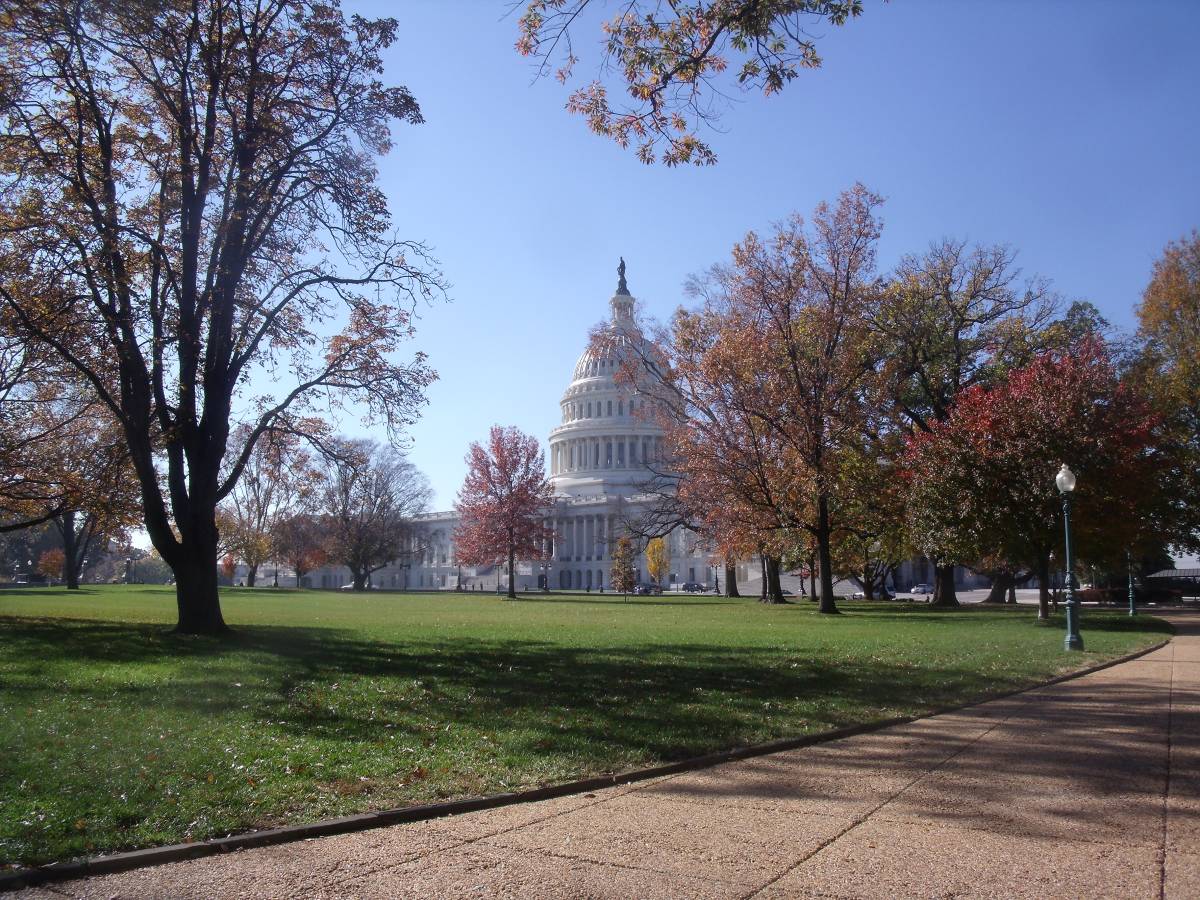
The fight over oversight of the U.S. government has begun two months before Democrats take control of the new Congress. White House counsel Will Scharf warned Rep. Robert Garcia that certain investigations and subpoenas targeting Donald Trump's officials could cross the line into “blatant criminality.” The warning appeared in a letter dated November 9 that became public on Wednesday, November 11.
Garcia is the senior Democrat on the House Oversight and Government Reform Committee and is expected to chair it when the new Congress convenes in January. After his party's election victory, he issued a two-word message to people who may face scrutiny: “Lawyer up.”
Scharf argued that congressional investigations need a legitimate legislative purpose and cannot be used to punish their targets. His letter said threats intended to deter officials from public service, or subpoenas issued solely to intimidate, could constitute a crime. It also raised the possibility of further investigations into unlawful subpoenas designed to deprive people of their rights. The letter warns about possible future conduct; it does not announce criminal charges against Garcia or establish that a crime has occurred.
Garcia rejected the White House's position. In a statement released by the committee's Democrats, he said Congress derives its authority from Article I of the Constitution, not White House permission, and that his party would not be deterred. Democrats have said they intend to examine, among other matters, the Trump family's business interests, the handling of the Jeffrey Epstein files and Immigration and Customs Enforcement operations. The president and the White House deny wrongdoing.
The dispute reaches the Senate
The confrontation extends beyond the House. Aaron Reitz, the U.S. attorney for the Southern District of Texas, sent Democratic Sen. Richard Blumenthal a letter on Wednesday demanding that he preserve records connected to his inquiry into the funding of the ballroom Trump is building at the White House. Reitz challenged the senator's requests for information from donors to the project. Blumenthal said he would not be intimidated, according to The Associated Press. Reitz's letter is not, by itself, a criminal charge.
At stake is the boundary between legitimate legislative oversight and abusive use of subpoenas. In Trump v. Mazars (2020), the Supreme Court affirmed that Congress can obtain information needed to legislate, while holding that subpoenas must serve a valid legislative purpose and respect recipients' rights. The court also directed judges to scrutinize requests for the president's personal information with particular care. That ruling does not make every inquiry unwelcome to the executive branch a crime, and it does not give Congress unlimited power.
James Comer, the current Republican chair of the Oversight Committee, told AP that the panel should check the executive branch regardless of who controls the White House. He criticized Garcia's “lawyer up” message as being in bad taste, but acknowledged that Democrats won the election and would control the committee.
For now, the clash consists of letters and public statements. Its practical consequences will emerge when the new Congress seeks documents and testimony: the specific subpoenas, the administration's objections and, if the dispute reaches court, judicial rulings will determine how far each side can go.