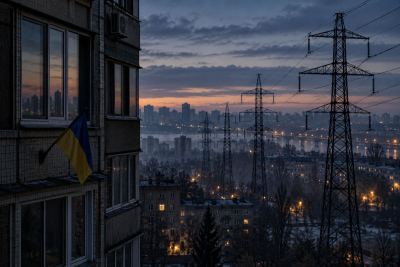
Houthi attack hits Aramco’s Saudi headquarters as reports describe damage to executive offices
Reuters and AP sources describe damage to offices in Dhahran. Saudi Arabia’s energy ministry reported a limited fire and no casualties; a production outage caused by the attack has not been confirmed.
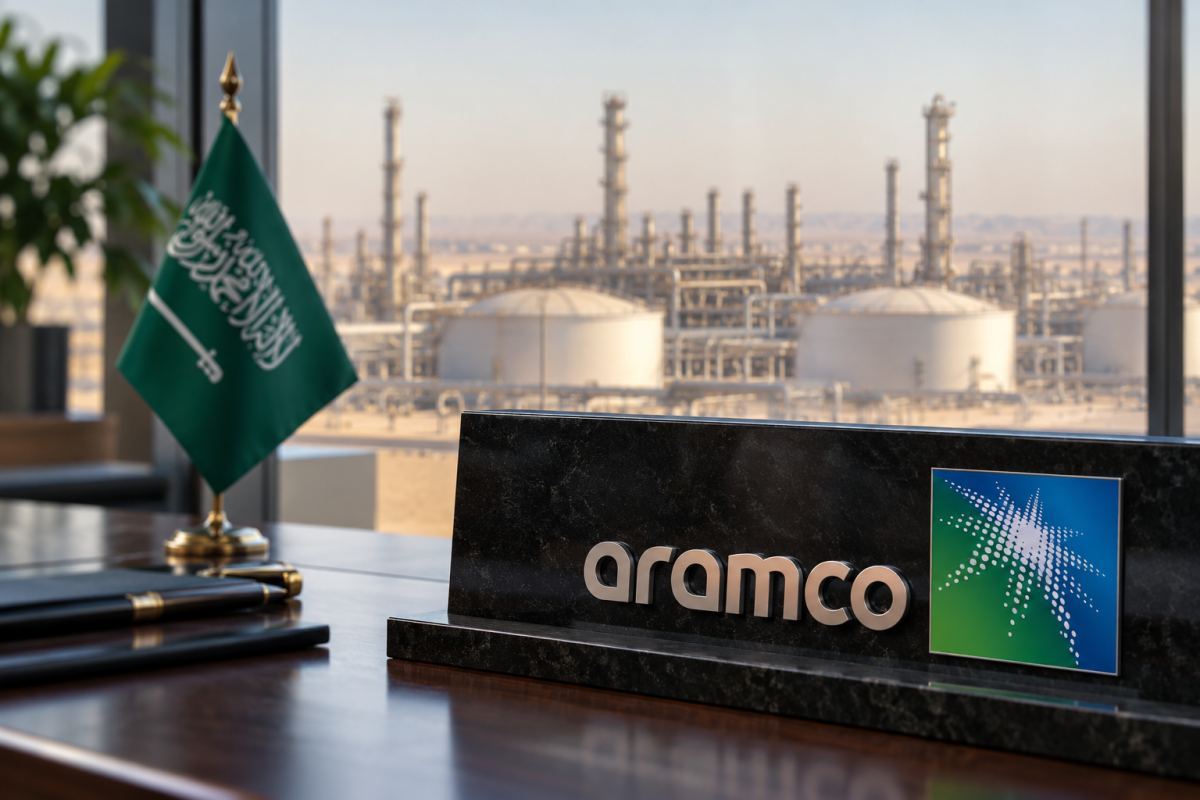
A Houthi attack hit Aramco’s headquarters in Dhahran, eastern Saudi Arabia, damaging executive offices and causing a fire. The strike took place Tuesday and was detailed Wednesday by Reuters and The Associated Press. It brings the escalating conflict between the kingdom and Yemen’s rebels to a complex that houses coordination functions for an extensive energy network.
The Saudi energy ministry reported a limited fire in an administrative building, with no deaths or injuries. Sources with direct knowledge told Reuters that damage extended across several floors. The available reporting does not establish that the attack halted the company’s oil production or exports.
That distinction is central to understanding the event. Hitting a strategically important headquarters does not automatically mean barrels have been removed from the market. An initial assessment that operations are continuing is also not a guarantee against later consequences.
Damaged offices and functions moved elsewhere
Three people with direct knowledge told Reuters that fire spread across multiple floors. Two sources said it started on the ninth floor of the south wing and described damage between the sixth and tenth floors. Another said upper offices, including those of Chief Executive Amin Nasser, suffered substantial damage.
AP separately cited two regional officials who described damage to the building’s top three floors. Both spoke anonymously because they were not authorized to brief the media. The agency also reported that the strike caused no casualties.
Two Reuters sources said operations at the complex continued normally, although some employees were instructed to work from home. A fourth person said certain functions had shifted to international offices. Aramco had not immediately responded to the agencies’ requests for comment in the reports cited.
The descriptions of a limited fire and extensive damage come from different sources. Without a complete public technical assessment, the affected area, repair timetable and availability of equipment and workspaces remain unclear.
Why Dhahran matters beyond its offices
Aramco’s headquarters combines administration with operational coordination. In an account published in January, the company explained that its Oil Supply Planning and Scheduling organization, known as OSPAS, works from Dhahran to schedule and monitor hydrocarbon movements.
That oversight extends from production facilities and plants through pipelines, terminals and tankers to delivery to customers. The center operates around the clock and brings together information from a geographically dispersed network. Its importance lies in coordinating processes that do not take place in a single building.
Aramco describes divisions responsible for oil, refined products, gas and natural gas liquids, alongside terminal planning. It also outlines contingency procedures intended to maintain supplies when incidents occur. That documentation explains the complex’s role; it does not certify its condition after the strike.
It helps put the risk in perspective. Damage to administrative space can require teams and decision-making processes to be reorganized. Physical disruption to extraction, refining or tanker loading would have different consequences. Wednesday’s reporting does not establish that all those functions were affected.
New alerts in Riyadh
The Dhahran strike came amid threats to other Saudi cities. Civil defense authorities said Wednesday that debris from an intercepted projectile injured one person in Riyadh, with limited damage to a home and a vehicle, Arab News reported.
In a separate incident late Tuesday, debris from intercepted cruise missiles injured four people and damaged roughly 15 homes in the capital. Those casualty figures concern Riyadh and should not be attributed to Aramco’s building in Dhahran.
Interceptions reduce the damage from a direct strike, but falling debris can still reach populated areas. Protecting critical facilities therefore also involves alerts and assistance for residents. For employees and businesses, continuing work depends in part on being able to travel safely.
The Saudi government condemned the attacks and emphasized protecting navigation in the Red Sea and the Bab el-Mandeb strait. The Iran-backed Houthis describe their operations as a response to the Saudi offensive in Yemen. Their stated justification is part of the confrontation; it does not erase its civilian consequences.
Assessing the impact on oil supplies
The attack raises concerns about security and continuity, but its economic impact depends on what happens to production, refining, transport and deliveries. A damaged office building and a terminal that stops loading oil are different events, even when they belong to the same company.
Accounts of continued operations from Reuters’ sources are relevant but limited to what those people could establish. Further updates from Aramco and the authorities will be needed to assess operational effects and repairs.
The escalation has reached the headquarters of a major oil producer. What cannot yet be established is that this strike, by itself, removed a specific quantity of crude from the market. The immediate challenge is how the organization keeps its functions running when the threat reaches its central offices.