2028 US presidential election: five potential White House contenders
Vance, Rubio, Newsom, Harris and Buttigieg have reasons to look toward 2028. Their decisions and November's midterms could still reshape the race.
The race for the White House in 2028 is taking shape during a campaign with a different official purpose: electing Congress in November 2026. Trips to support candidates, public appearances and relationships built within each party could later serve as foundations for a presidential bid. But helping others win elections is not the same as announcing a run for president.
There is a decisive difference from 2024. The Constitution's Twenty-second Amendment bars anyone from being elected president more than twice. Donald Trump won in 2016 and 2024, so the current constitutional framework rules out a third election, even as he retains influence over who might succeed him as the Republican nominee.
Based on the information available as of October 13, 2026, JD Vance, Marco Rubio, Gavin Newsom, Kamala Harris and Pete Buttigieg are five potential contenders whose offices, records or public statements make them worth watching. This is neither a list of confirmed candidates nor a prediction of the eventual nominees. Two are Republicans and three are Democrats, and some of their decisions could affect the others.
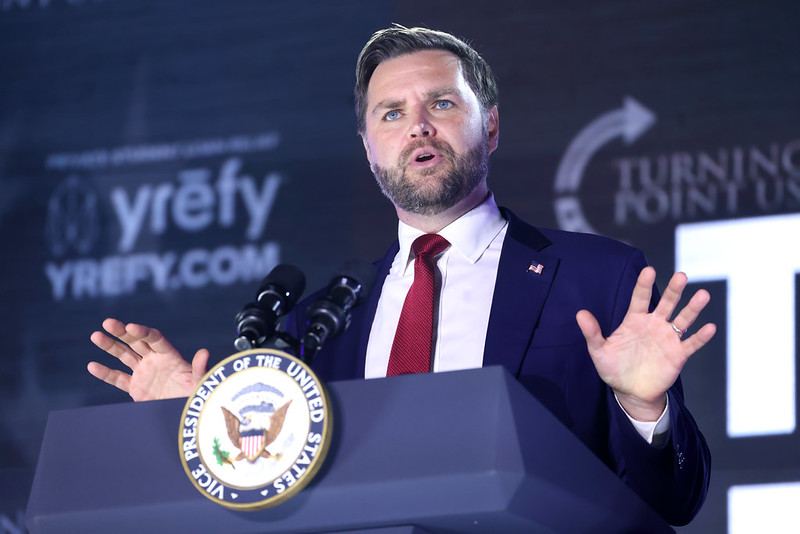
JD Vance: the advantages and liabilities of the vice presidency
Vance has a platform none of the other figures in this selection possesses: the vice presidency. He previously served as an Ohio senator, after a career that included the Marine Corps, Yale Law School and the publication of Hillbilly Elegy, his memoir about the family and social environment in which he grew up. His political message has focused on the border, American manufacturing and working families.
His proximity to Trump gives him visibility and a direct relationship with the president. It also ties him to the administration's record. In a future campaign, he would have to explain what he would retain from that administration and what he would do differently, particularly if voters believe the economy or foreign policy needs a change of course.
Reuters reported in February that Vance expected to discuss a possible bid with Trump after the midterm elections. At a May briefing, however, he rejected being described as a future candidate and emphasized his work as vice president. A presidential run is a documented political possibility, not a decision that can be taken for granted.
Marco Rubio: foreign policy experience and an unresolved succession
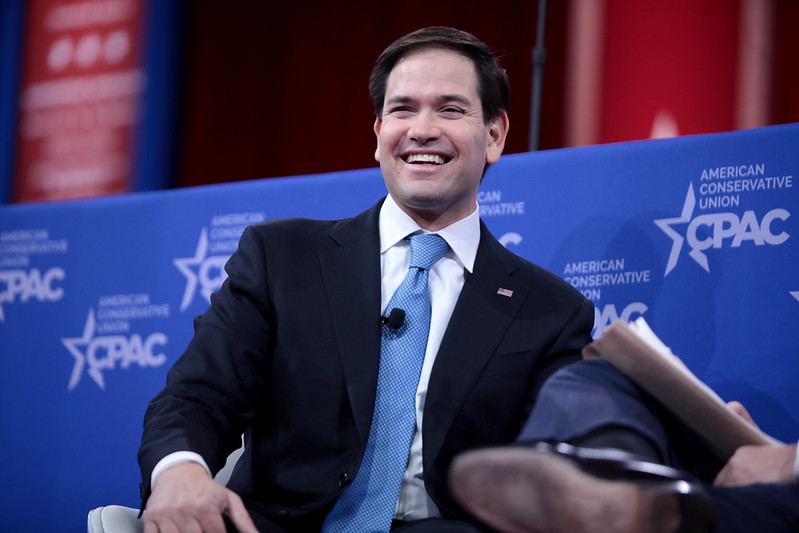
The secretary of state has a different kind of platform: representing the United States to foreign governments and participating in the administration's diplomatic decisions. Before taking that position, he was a Florida senator and competed for the Republican nomination in 2016, losing to Trump. A future campaign would therefore mean returning to a contest he already knows.
Rubio has not closed the door on 2028, although he has praised Vance as a potential candidate. Trump did not settle the question when NBC asked him about the two men in February: he spoke highly of both and declined to choose. In May, he again suggested they could run on the same ticket, while making clear that his comments did not amount to an endorsement.
That ambiguity leaves room for either rivalry or negotiation. Rubio's diplomatic experience could appeal to voters looking for a candidate accustomed to dealing with allies and adversaries. At the same time, his role in the administration makes it difficult to separate his political future from the international decisions he currently defends. The question would be how much room remains for his own bid if Vance secures Trump's support.
Gavin Newsom: a governor with a national profile and one condition
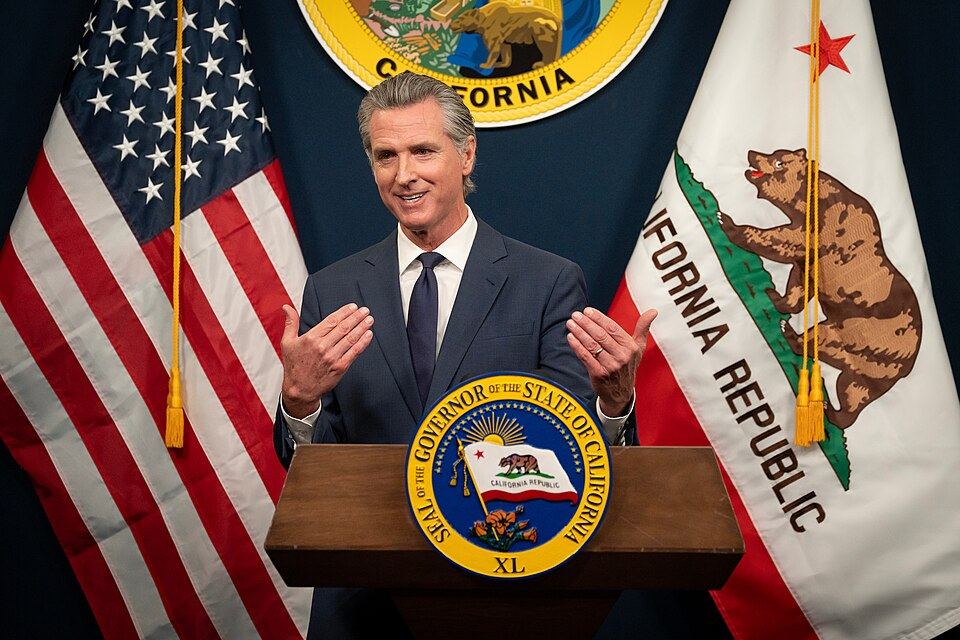
Newsom can offer governing experience outside Washington. He was mayor of San Francisco and is governor of California, where he has pursued policies on reproductive rights, gun safety and climate. That background would allow him to enter a primary with a record of executive decisions as well as a recognizable political identity.
A possible move to the national stage would require more than taking California's political message to the rest of the country. A presidential campaign would have to explain which measures from his administration could work in states with different economies, priorities and electorates. His experience as governor would be a reason to ask for voters' support, but also a record his opponents could scrutinize.
There is another condition that prevents his candidacy from being treated as inevitable. In an interview with Jake Tapper aired by CNN in September, Newsom said he would not run if Kamala Harris did. That is more than a matter of courtesy: if he maintains that position, a decision by the former vice president could keep him out of the race. Including both among the names to watch does not mean they would necessarily face each other in the primaries.
Kamala Harris: experience, a possible return and the questions left by 2024
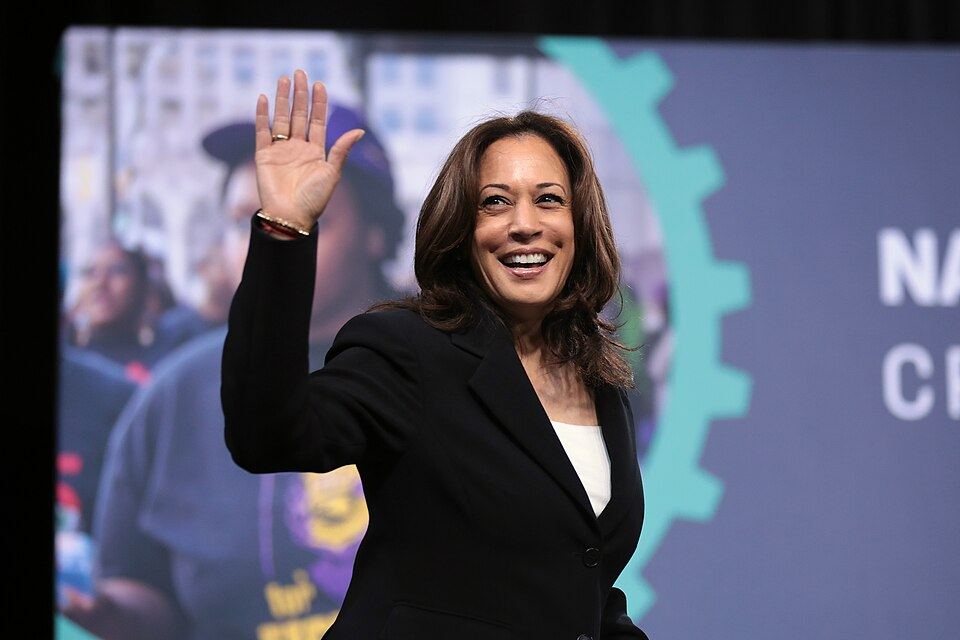
Harris would enter another campaign with a résumé few in her party could match: she served as San Francisco district attorney, California attorney general, senator and vice president from 2021 to 2025. She was also the Democratic presidential nominee defeated by Trump in 2024. She knows the federal government and the demands of a national election, but a new bid would have to address that defeat.
The question would not simply be whether she could mobilize those who already supported her. She would need to explain why a second chance as the nominee would produce a different result, and what she would change in her message, priorities or relationship with voters she failed to persuade.
For now, her public answer has been that she has not decided. CNN reported that position in September, when Harris returned to Michigan to support Democratic Senate candidate Abdul El-Sayed and said the midterms were occupying her attention. Those appearances sustain her political presence, but they do not make her a declared candidate for 2028. Her decision would have consequences for her and, given what Newsom has said, for another potential contender.
Pete Buttigieg: turning experience and campaign travel into a coalition
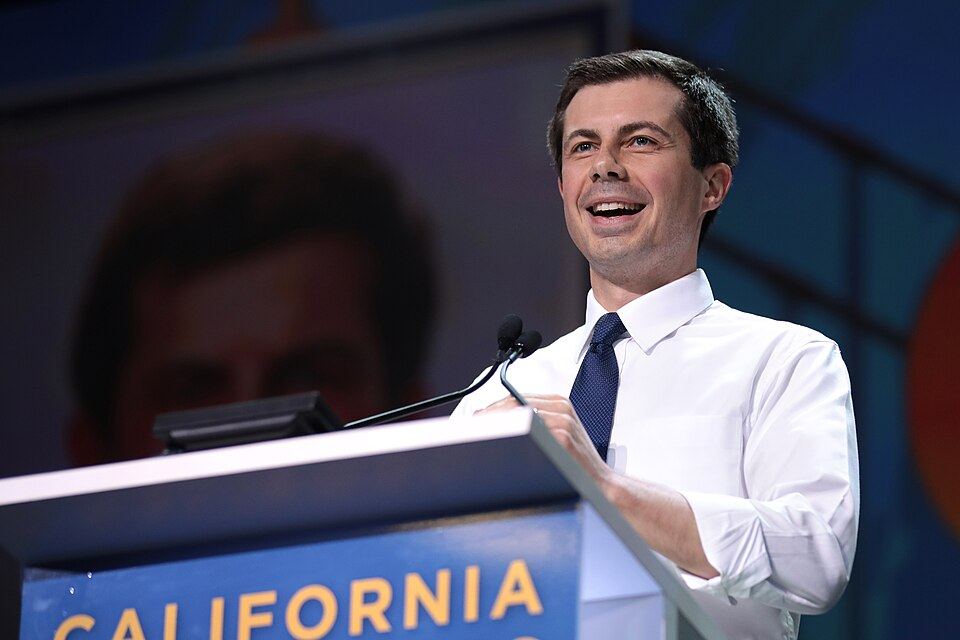
The former transportation secretary and former South Bend mayor offers a different combination: municipal experience, federal executive service and a previous presidential campaign, in 2020. His time at the Transportation Department gives him a basis for discussing infrastructure and specific projects, a way to connect national politics with everyday problems.
Buttigieg has expressed interest without making a final decision. In an interview with The Diary of a CEO, reported by RealClearPolitics in August, he explained that he was more inclined to run than not, although he needed to consider the impact on his family life. Later, during a visit to South Carolina, he told reporters he was focused on 2026.
According to Associated Press, that trip sought to renew contact with Black voters, whom he had struggled to win over in 2020. For a new campaign, the challenge would be turning his travels into lasting support and bringing together different parts of the Democratic electorate.
Could an independent candidate emerge?
Yes. The election is not reserved for the Republican and Democratic nominees. But an independent bid would require more than name recognition or financial resources. The Federal Election Commission points out that ballot access is governed by each state's and territory's laws and procedures: there is no single federal registration that guarantees a place on ballots nationwide.
That means turning an intention into an organization and meeting specific electoral requirements. This selection does not add a sixth, independent name because the evidence reviewed does not establish a sufficiently definite prospective bid by a particular figure. The opportunity exists; who might take it remains an open question.
The next reference point is the election on November 3, 2026. Its results will not select the presidential nominees, but they will give each party information about where it is gaining or losing support. For Republicans, they will influence the debate over how to move forward after Trump. For Democrats, they will help assess which message and which leaders can win voters back. All five names already have reasons to look toward 2028; they still have to decide whether to take the next step and demonstrate that they can win more than attention.